As the warmth of summer draws us outdoors, so too do the persistent buzz and itchy bites of mosquitoes. Confronted with these unwelcome guests, many turn to various solutions, often debating between the electric “zap” of a bug zapper and the protective shield of a repellent. While both aim to alleviate the nuisance, their mechanisms, speed, and effectiveness in combating mosquitoes differ significantly. The central question isn’t just “what kills faster?” but “what provides faster, more targeted relief from mosquito threats?” Understanding these distinctions is crucial for selecting the most appropriate defense to enjoy your outdoor spaces bite-free.
Understanding Mosquito Zappers: Instant Kill, But For What?
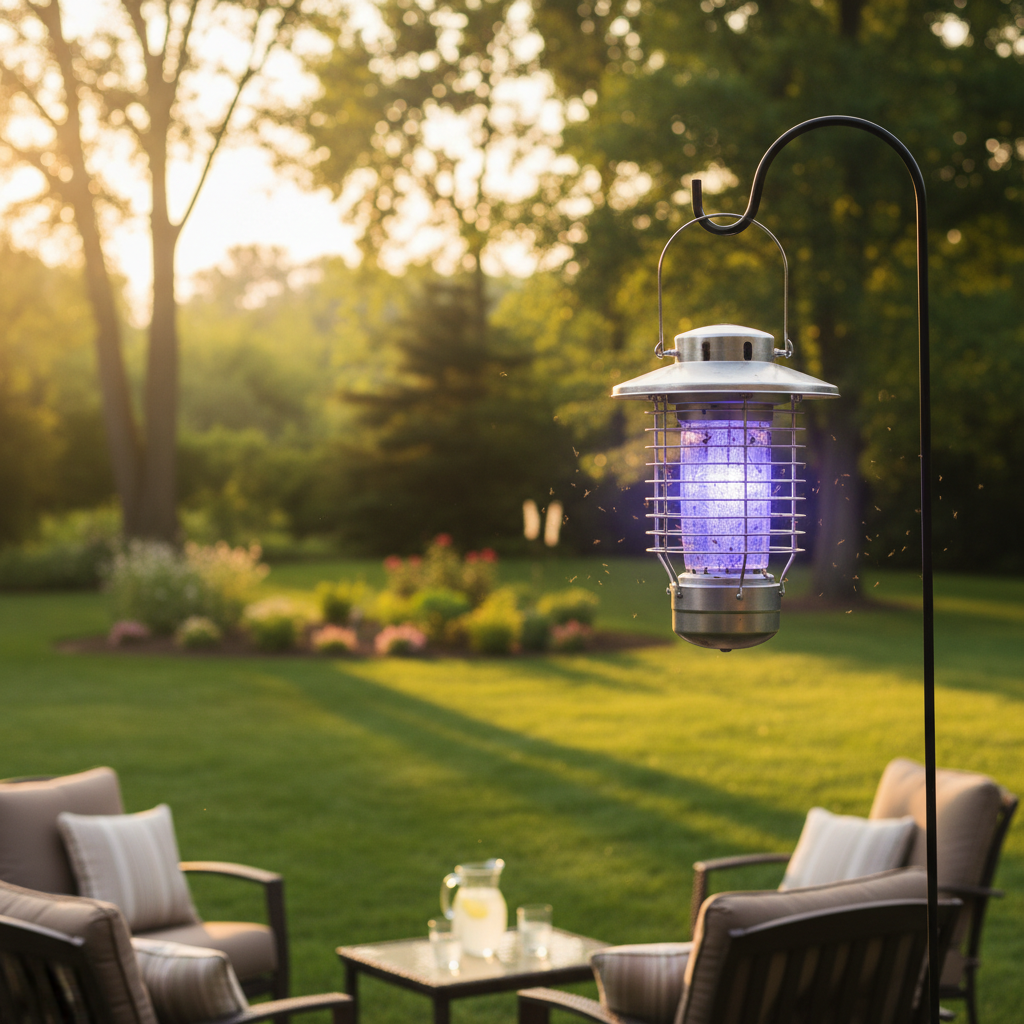
Mosquito zappers, also known as electronic insect killers, operate on a seemingly straightforward principle: attracting flying insects with an ultraviolet (UV) light source and then electrocuting them on contact with an electrified grid. The satisfying “zap” sound confirms an immediate kill for any insect unfortunate enough to touch the grid.
However, the effectiveness of bug zappers specifically against mosquitoes is often overstated. While they certainly kill a multitude of flying insects like moths and beetles, scientific studies indicate that mosquitoes are not primarily attracted to UV light. Instead, female mosquitoes – the ones that bite – are drawn to cues like carbon dioxide (CO2) emissions and body heat, which zappers do not effectively mimic. Research has shown that a very small percentage of the insects killed by zappers are actually mosquitoes, with the vast majority being other, often beneficial, insects. This means that while the kill itself is instantaneous, the rate at which a zapper reduces the mosquito population or provides personal protection from mosquito bites is notably low.
Pros of Bug Zappers:
- Provides an instant kill for insects that make contact.
- Chemical-free method of insect elimination.
- Relatively low maintenance, requiring occasional cleaning.
Cons of Bug Zappers:
- Ineffective at significantly reducing mosquito populations.
- Kills a disproportionate number of beneficial insects, disrupting local ecosystems.
- Limited range of effectiveness.
- Produces audible “zap” sounds that some may find disruptive.
Mosquito Repellents: Fast Protection, Different Mechanisms
Mosquito repellents function differently from zappers. Rather than killing, their primary goal is to deter mosquitoes, preventing them from landing on and biting humans. They achieve this by interfering with a mosquito’s sensory organs, blocking or overstimulating their sense of smell and taste, effectively making you undetectable or unattractive.
Repellents come in various forms, each offering distinct advantages:
- Topical Repellents: Applied directly to the skin or clothing, these typically contain active ingredients like DEET, Picaridin, or IR3535. These work almost immediately upon application, creating a personal protective barrier that mosquitoes avoid.
- Area Repellents: Devices like Thermacells, mosquito coils, or diffusers release repellent chemicals into the air, creating a protective zone around a specific area. These require some time to establish their barrier, but once active, they can provide hours of protection without direct skin application.
The speed of protection from repellents is generally rapid, especially for topical applications. Within minutes of proper application, highly effective repellents can significantly reduce mosquito bites. For instance, studies have demonstrated that DEET, when combined with permethrin-treated clothing, can achieve nearly 100% effectiveness in preventing mosquito bites. Natural repellents, such as those derived from clove oil, cinnamon oil, or geraniol, also offer protection, though their duration and initial speed can vary. Clove oil has shown protection for up to 90 minutes, while citronella oil’s efficacy may last around 30 minutes.
Pros of Mosquito Repellents:
- Highly effective at preventing mosquito bites.
- Provides targeted personal protection (topical) or area protection (diffusers).
- Portable and versatile for various outdoor activities.
- Many formulations available, including chemical and botanical options.
Cons of Mosquito Repellents:
- May involve exposure to chemicals (for traditional options).
- Requires reapplication, especially for topical forms.
- Effectiveness can be influenced by environmental factors like wind.
- Some natural repellents may offer shorter protection times.
The “Faster” Verdict: Killing vs. Preventing Bites
When asking “what kills faster?”, a bug zapper delivers an instantaneous kill to any susceptible insect that makes contact with its grid. However, if the underlying question is “what provides faster effective protection against mosquito bites?”, the answer leans towards mosquito repellents.
Here’s why:
- Zappers: Instant but Untargeted Kill: A zapper’s kill is immediate, but its attraction mechanism is fundamentally flawed for mosquitoes. They primarily kill other flying insects, meaning your personal risk of mosquito bites might not decrease significantly or quickly, despite the frequent “zaps.” The immediate kill of a random insect doesn’t translate to immediate or comprehensive mosquito control for humans.
- Repellents: Fast and Targeted Protection: Topical repellents, when applied correctly, begin to deter mosquitoes almost immediately. This means that within moments of application, you are far less likely to be bitten. While repellents don’t “kill” mosquitoes on contact (unless they contain insecticides designed for knockdown, which is a secondary function to deterrence), they effectively eliminate the threat of bites, which is the primary concern for most individuals. Area repellents, while taking a little longer to establish their zone, then offer continuous protection.
Therefore, if your goal is rapid protection from mosquito bites, a high-quality mosquito repellent will offer a faster and more reliable solution than a bug zapper. The zapper’s “speed” of kill is negated by its general inefficiency against the target pest.
“Many assume bug zappers are a silver bullet for mosquitoes, but the science consistently shows they primarily zap non-mosquitoes. For actual mosquito bite prevention, a quality repellent delivers immediate, targeted action.” – Dr. Emily Carter, Entomologist and Public Health Specialist
Key Factors to Consider When Choosing
The choice between a zapper and a repellent depends heavily on your specific needs and priorities:
- Target Pests: If you’re bothered by a wide variety of flying insects and a general reduction is desired, a zapper might contribute, though it won’t be specific to mosquitoes. If mosquitoes are your primary concern, repellents are far more effective.
- Area of Protection: Repellents offer flexible, often portable personal protection. Zappers are stationary and cover a limited, fixed area, typically outdoors.
- Desired Outcome: Do you want to physically eliminate insects (zapper) or prevent them from biting you (repellent)? For preventing bites, repellents are superior.
- Safety & Environmental Concerns: Traditional repellents involve applying chemicals, which some prefer to avoid. Zappers, however, can harm beneficial insects, impacting local ecosystems.
- Convenience: Repellents require reapplication. Zappers need cleaning and bulb replacement.
Complementary Strategies for Optimal Mosquito Defense
For the most comprehensive and effective mosquito control, integrating various strategies often yields the best results:
- Combine Methods: Use personal repellents for direct protection on your skin and clothing, especially in high-mosquito areas. Consider area repellents for static outdoor gatherings.
- Source Reduction: Eliminate standing water around your home (e.g., in clogged gutters, old tires, birdbaths, pet bowls) where mosquitoes lay eggs. This is a foundational step in long-term mosquito control.
- Protective Clothing: Wear long sleeves and pants, especially during peak mosquito activity hours (dawn and dusk), particularly when treated with permethrin.
- Screened Enclosures: Ensure windows and doors have well-maintained screens to keep mosquitoes out of indoor spaces.
- Strategic Timing: Limit outdoor activities during peak mosquito feeding times if possible.
Conclusion
When evaluating whether a bug zapper or a repellent offers faster relief, it’s essential to define “faster” in the context of mosquito control. While bug zappers deliver an instant electrocution to insects that happen upon their grid, they are largely ineffective at attracting or killing mosquitoes specifically. Consequently, they offer little rapid protection from mosquito bites. In contrast, high-quality mosquito repellents, particularly topical formulations, provide fast and direct protection by deterring mosquitoes from approaching or landing on you almost immediately after application.
Ultimately, for prompt and effective defense against the pervasive threat of mosquito bites, repellents prove to be the superior choice, allowing you to enjoy your precious moments outdoors without interruption. What’s your go-to strategy for a mosquito-free experience?
Câu Hỏi Thường Gặp
Do bug zappers attract all types of mosquitoes effectively?
|
Our Picks for the Best Mosquito killer lamp in 2026
As an Amazon Associate I earn from qualifying purchases.
|
||
| Num | Product | Action |
|---|---|---|
| 1 | Bug Zapper Outdoor Indoor, Mosquito Zapper, Electric Fly Traps IPX4 Waterproof 20W Lamp Fly Insects Traps for Patio, Garage, Backyard, Porch |

|
| 2 | LUOJIBIE Bug Zapper Outdoor, Electric Mosquito Killer Fly Trap with UV/LED Light, 4200V High Voltage Waterproof Flying Insect Zapper for Backyard Patio, Indoor Mosquito Zapper for Home Garage |
|
| 3 | Electric Bug Zapper Indoor, Mosquito Zapper with 3500V Powerful Dual Grid & Remote, Fly Zapper Fly Trap Insect Killer for Patio Yard Home Kitchen Camping - Including 2 Replacement Bulbs (Black) |
|
| 4 | YISSVIC Bug Zapper Outdoor Indoor Waterproof Electric Mosquito Lamp Fly Zapper Killer Effective 4200V Plug in for Home Patio Office Courtyard (One-Light Control Bug Zapper) |
|
| 5 | YISSVIC Bug Zapper Outdoor Indoor Waterproof Electric Mosquito Lamp Fly Zapper Killer Effective 4200V Plug in for Home Patio Office Courtyard |
|
| 6 | ASPECTEK Insect Killer, Bug Zapper, Powerful 20W Electronic Indoor Fly Zapper for Mosquito, Fungus Gnat, Asian Beetle, Moth, Flying Pests - Indoor Use, Includes 2-Pack Replacement Bulbs |
|
| 7 | Electric Bug Zapper Indoor/Outdoor, 4200V High Powered Mosquito Zappers Killer, Waterproof Insect Fly Swatter Zapper Mosquito Trap Outdoor, Fly Traps, Insect Killer for Home,Garden,Backyard, Camping |
|
| 8 | Bug Zapper Light Bulb, 2 in 1 Mosquitoes Killer Lamp Led Electronic Insect & Fly Killer, Porch Light for Entryway, Doorway, Corridor, Balcony and Patio (White) |
|
| 9 | Buzbug 50,000 Hrs Lifespan LED Bug Zapper Indoor, 3800V High-Voltage Indoor Fly Trap, 3 LED Bulbs Enhanced Dual-Band Attraction & Energy Saving, Electric Mosquito Killer for Gnats, Fruit Flies, Moths |
|
| 10 | GOOTOP Bug Zapper Outdoor, Mosquito Zapper, 3 Prong Plug in Electric Fly Zapper, Mosquito Killer, Fly Traps, Flying Insects Zapper Indoor Outdoor, 4200V, ABS Plastic Outer (Black) |
|
No, studies show that bug zappers are generally ineffective at attracting mosquitoes. Mosquitoes are primarily drawn to carbon dioxide and body heat, not the UV light emitted by zappers. Therefore, zappers tend to kill a low percentage of mosquitoes compared to other flying insects.
How quickly does DEET start working to repel mosquitoes?
DEET-based repellents start working almost immediately upon proper application to the skin or clothing. Within minutes, they create a protective barrier that deters mosquitoes, significantly reducing the likelihood of bites.
Are natural repellents as fast-acting as chemical ones?
The speed of action for natural repellents can vary. Some, like those with concentrated essential oils, can start working quickly, but their duration of effectiveness is often shorter than chemical repellents like DEET or Picaridin, requiring more frequent reapplication.
Can I use a bug zapper and repellent together for better results?
While a bug zapper may kill some general flying insects in your yard, it won’t significantly enhance the personal protection provided by a mosquito repellent. For targeted mosquito defense, focus on effective repellents and source reduction, using zappers more for general insect nuisance if desired.