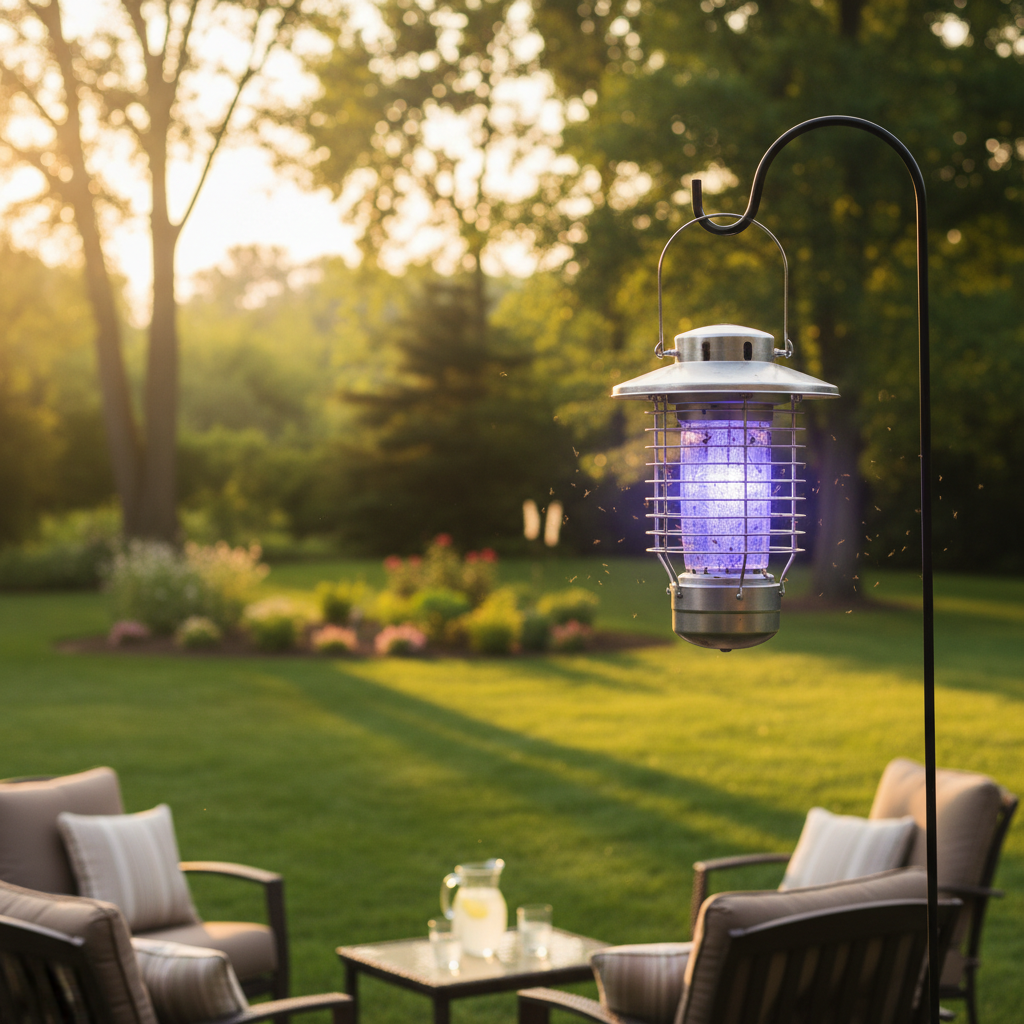
In the competitive world of hospitality, every detail contributes to a restaurant’s success, and that includes providing a comfortable, pest-free dining experience. Mosquitoes, beyond being a mere annoyance, pose significant health risks and can quickly deter even the most loyal patrons. As the Admin of ReviewsPH.com, with a decade of expertise in mosquito control technology, I’ve seen how crucial effective solutions are. This comprehensive guide will illuminate the path to choosing the best mosquito lamps for your restaurant in 2026, ensuring a safe, hygienic, and enjoyable environment for your guests and staff. We’ll delve into the latest advancements, critical selection criteria, and top recommendations to help your establishment stay ahead in pest management.
What Are Mosquito Lamps for Restaurants?
Mosquito lamps, often referred to as insect light traps (ILTs) in commercial settings, are electronic devices designed to attract and capture or eliminate flying insects, including mosquitoes. Their fundamental principle leverages ultraviolet (UV) light, which is highly appealing to many insect species. Once attracted, insects are either zapped by an electric grid or, more commonly in food service environments, discreetly trapped on replaceable sticky glue boards.
For restaurants, these devices are a sophisticated upgrade from traditional methods. Instead of relying on chemical sprays or messy fly swatters, mosquito lamps offer a continuous, silent, and chemical-free line of defense. They typically use specific wavelengths of UV-A light to draw pests in, ensuring that dining areas, kitchens, and entryways remain clear of airborne invaders. Modern designs emphasize discretion and hygiene, making them indispensable tools for any forward-thinking food establishment.
The Unseen Benefits: Why Restaurants Need Effective Mosquito Control
Investing in high-quality mosquito lamps offers a multitude of advantages that extend far beyond simply eliminating pests, directly impacting your restaurant’s bottom line and reputation.
Enhanced Customer Experience and Comfort
|
Our Picks for the Best Mosquito killer lamp in 2026
As an Amazon Associate I earn from qualifying purchases.
|
||
| Num | Product | Action |
|---|---|---|
| 1 | Bug Zapper Outdoor Indoor, Mosquito Zapper, Electric Fly Traps IPX4 Waterproof 20W Lamp Fly Insects Traps for Patio, Garage, Backyard, Porch |

|
| 2 | LUOJIBIE Bug Zapper Outdoor, Electric Mosquito Killer Fly Trap with UV/LED Light, 4200V High Voltage Waterproof Flying Insect Zapper for Backyard Patio, Indoor Mosquito Zapper for Home Garage |
|
| 3 | Electric Bug Zapper Indoor/Outdoor, 4200V High Powered Mosquito Zappers Killer, Waterproof Insect Fly Swatter Zapper Mosquito Trap Outdoor, Fly Traps, Insect Killer for Home,Garden,Backyard, Camping |
|
| 4 | GOOTOP Bug Zapper Outdoor, Mosquito Zapper, 3 Prong Plug in Electric Fly Zapper, Mosquito Killer, Fly Traps, Flying Insects Zapper Indoor Outdoor, 4200V, ABS Plastic Outer (Black) |
|
| 5 | ASPECTEK Insect Killer, Bug Zapper, Powerful 20W Electronic Indoor Fly Zapper for Mosquito, Fungus Gnat, Asian Beetle, Moth, Flying Pests - Indoor Use, Includes 2-Pack Replacement Bulbs |
|
| 6 | Electric Bug Zapper Indoor, Mosquito Zapper with 3500V Powerful Dual Grid & Remote, Fly Zapper Fly Trap Insect Killer for Patio Yard Home Kitchen Camping - Including 2 Replacement Bulbs (Black) |
|
| 7 | Bug Zapper Light Bulb, 2 in 1 Mosquitoes Killer Lamp Led Electronic Insect & Fly Killer, Porch Light for Entryway, Doorway, Corridor, Balcony and Patio (White) |
|
| 8 | YISSVIC Bug Zapper Outdoor Indoor Waterproof Electric Mosquito Lamp Fly Zapper Killer Effective 4200V Plug in for Home Patio Office Courtyard (One-Light Control Bug Zapper) |
|
| 9 | Buzbug 50,000 Hrs Lifespan LED Bug Zapper Indoor, 3800V High-Voltage Indoor Fly Trap, 3 LED Bulbs Enhanced Dual-Band Attraction & Energy Saving, Electric Mosquito Killer for Gnats, Fruit Flies, Moths |
|
| 10 | YISSVIC Bug Zapper Outdoor Indoor Waterproof Electric Mosquito Lamp Fly Zapper Killer Effective 4200V Plug in for Home Patio Office Courtyard |
|
A single buzzing mosquito or an itchy bite can quickly ruin a diner’s experience, especially in outdoor or al fresco settings. By effectively controlling mosquitoes, you ensure your guests can relax and enjoy their meal without distraction, encouraging longer stays and repeat visits. A comfortable environment translates directly into positive reviews and word-of-mouth recommendations.
Upholding Hygiene Standards and Public Health
Mosquitoes are known carriers of various diseases, including Dengue, Zika, and Malaria, posing a serious health risk to both customers and staff. Their presence can also lead to food contamination. Implementing effective mosquito control demonstrates a commitment to public health, safeguarding everyone on your premises and aligning with stringent hygiene protocols.
Compliance with Health Regulations
Food service establishments are subject to rigorous health and safety inspections. The presence of pests, including mosquitoes and flies, can lead to violations, fines, and even temporary closures. Proactive mosquito management with appropriate lamps helps maintain compliance, ensuring your operations run smoothly and legally.
Protecting Your Reputation and Brand Image
In the age of social media, a single negative experience due to pests can quickly tarnish a restaurant’s image. A clean, pest-free environment reinforces your brand’s commitment to quality and attention to detail. It builds trust and loyalty, distinguishing your establishment from competitors.
Environmentally Friendlier Options
Compared to widespread insecticide spraying, mosquito lamps offer a more targeted and environmentally conscious approach. They operate without releasing harmful chemicals into the air, making them safer for food preparation areas, patrons, and the planet. This aligns with growing consumer demand for sustainable and responsible business practices.
Key Factors When Choosing a Mosquito Lamp for Your Restaurant
Selecting the right mosquito lamp is crucial for maximum effectiveness and seamless integration into your restaurant’s operations. Consider these factors carefully:
Coverage Area and Placement
Different areas of your restaurant require different types of lamps. Dining areas need discreet, aesthetically pleasing traps, while kitchens and food preparation zones may benefit from more powerful, less decorative units. Outdoor patios and entry points need robust traps designed for higher insect volumes and environmental exposure. Evaluate the square footage each lamp can effectively cover to avoid dead zones.
Type of Attraction (UV-A, LED) & Capture Method (Glue Board vs. Zapper)
Most commercial mosquito lamps use UV-A light, which is highly attractive to flying insects.
- Glue Board Traps: These use sticky adhesive boards to capture insects discreetly. They are ideal for front-of-house areas because trapped insects are hidden from view, making them hygienic and visually appealing.
- Zapper Traps: These electrocute insects, often with an audible “zap.” While effective, the sound and potential for insect fragments make them unsuitable for dining areas or food prep zones. They are typically best for discrete back-of-house or outdoor locations where the noise and visual impact are not an issue.
- LED Traps: While newer, some LED-based traps offer energy efficiency and can be designed for specific wavelengths, potentially enhancing attraction for certain pests. Their commercial efficacy for broad pest control in high-volume settings is continually evolving.
Discretion and Aesthetics
In dining rooms and customer-facing areas, the lamp should blend seamlessly with your interior design. Many commercial models are designed as wall sconces or hidden units, trapping insects out of sight. Prioritize models that complement your restaurant’s ambiance rather than detract from it.
Safety and Sanitation
For food service, safety is paramount. Look for lamps with shatterproof bulbs to prevent glass contamination in food preparation areas. The design should facilitate easy cleaning and ensure that trapped insects are contained securely to maintain hygiene. Certified commercial-grade equipment is a must.
Durability and Maintenance
Restaurant equipment endures constant use. Choose lamps from reputable brands known for their robust construction and longevity. Factor in the cost and ease of replacing UV bulbs (typically annually, as their UV output diminishes even before they burn out) and glue boards (which need regular replacement based on insect activity).
Energy Efficiency
With rising operational costs, consider the power consumption of your mosquito lamps. Energy-efficient models can lead to significant savings over time without compromising effectiveness. Look for features like automatic on/off timers or low-wattage options for continuous operation.
Comparing Popular Commercial Mosquito Lamp Technologies
Understanding the different types of mosquito and insect light traps available can help you make an informed decision for various areas of your restaurant.
| Type of Lamp | Ideal Location | Effectiveness (Mosquitoes & Flies) | Key Advantages | Key Disadvantages | Maintenance Needed |
|---|---|---|---|---|---|
| UV-A Glue Trap (Sconce/Decorative) | Dining areas, front-of-house, hallways | Good | Discreet, silent, hygienic (insects out of sight), aesthetically pleasing | Lower coverage than high-capacity units | Regular glue board replacement, annual bulb replacement |
| UV-A Glue Trap (High Capacity) | Kitchens, back-of-house, storage | Excellent | High catch rate, powerful attraction, robust design | More visible, may not be suitable for dining areas | Regular glue board replacement, annual bulb replacement |
| Outdoor Perimeter Fly/Mosquito Station | Exterior entryways, patios, waste areas | Very Good | Prevents pests from entering, weather-resistant | Primarily for exterior use, less suitable indoors | Periodic cleaning, bait/lure replacement (if applicable), annual bulb replacement |
| LED Traps (Emerging Commercial) | Specific indoor zones, smaller areas | Varies by design, improving | Energy-efficient, long-lasting LEDs, potential for targeted spectrums | Still less common for broad commercial pest control than UV-A | Minimal, occasional cleaning |
Top Mosquito Lamp Recommendations for Restaurants in 2026
While specific model numbers can evolve, certain characteristics and designs consistently prove effective for restaurant environments. Here are types of mosquito lamps that represent the best choices for 2026, drawing from industry-leading examples:
1. The Discreet Sconce-Style Insect Light Trap (e.g., Gardner WS85 Wall Sconce, Ecolab STEALTH™ CFL)
These elegant, wall-mounted units are designed to blend seamlessly into your restaurant’s decor, making them perfect for dining rooms, reception areas, and private event spaces. They utilize UV-A light to attract mosquitoes and flies, capturing them on hidden glue boards. The discreet design ensures that guests are unaware of the pest control efforts, maintaining an upscale ambiance. They are silent, hygienic, and offer continuous protection without visual disturbance.
- Pros: Highly aesthetic, silent operation, discreetly hides trapped insects, ideal for customer-facing areas.
- Cons: Lower coverage area compared to industrial models, requires more frequent glue board checks in high-traffic zones.
- Best for: Enhancing customer comfort and maintaining luxury aesthetics.
2. High-Capacity Kitchen & Back-of-House Units (e.g., Gardner GT-200, Black Matrix, Visu series)
For high-traffic, non-customer-facing areas like kitchens, food preparation zones, and storage rooms, robust, high-capacity insect light traps are essential. These units often feature stronger UV-A bulbs and larger glue board surfaces to handle a higher volume of flying insects. While more visible, their primary focus is maximum effectiveness and sanitation. Many are designed for wall-mounting or ceiling suspension, positioned strategically away from food contact surfaces but close to potential entry points.
- Pros: Superior catch rates, durable construction, essential for maintaining strict kitchen hygiene standards.
- Cons: Less aesthetically pleasing, may be more visible, not suitable for dining areas.
- Best for: Ensuring compliance, preventing contamination, and protecting food safety.
3. Outdoor Perimeter Defense Stations (e.g., Ecolab STEALTH™ Fly Station)
Mosquitoes and flies often enter restaurants from outdoor areas. Outdoor perimeter defense stations are crucial for intercepting pests before they even reach your doors. These units are typically weather-resistant and designed to attract insects away from the building’s entry points or patio dining areas. Some use a combination of UV light and specialized attractants, often trapping insects within a contained system, reducing the overall pest pressure on your indoor spaces.
- Pros: Proactive pest control, reduces indoor pest entry, durable for outdoor conditions.
- Cons: Requires strategic outdoor placement, may need professional installation for optimal results.
- Best for: Restaurants with outdoor patios, large entryways, or located in high-mosquito areas.
Maximizing Effectiveness: How to Use Restaurant Mosquito Lamps
Simply installing a mosquito lamp isn’t enough; strategic deployment and consistent maintenance are key to its success.
Strategic Placement
Position lamps away from competing light sources and out of direct line of sight from customers, especially in dining areas. Place them near known entry points (doors, windows) but not directly next to them, to draw insects away from the entrance. In kitchens, ensure they are not directly above food preparation surfaces to avoid contamination. Ideal mounting height is typically 5-6 feet from the floor for optimal attraction.
Optimal Operating Hours
Mosquitoes and many other flying insects are most active during dusk and dawn, and often throughout the night. Operate your mosquito lamps continuously during these peak hours. For 24/7 protection, especially in back-of-house areas, continuous operation is recommended.
Regular Cleaning and Maintenance
Dust and grime can reduce the effectiveness of UV light. Clean the exterior of your lamps regularly. Most importantly, glue boards must be replaced frequently – typically every 2-4 weeks, depending on insect activity. Full glue boards lose their effectiveness and become a hygiene concern.
Integrating with a Comprehensive Pest Management Plan
Mosquito lamps are most effective as part of an integrated pest management (IPM) strategy. This includes maintaining proper sanitation, sealing entry points, eliminating standing water (mosquito breeding sites), and potentially using other targeted treatments.
Where to Source Reliable Mosquito Lamps for Your Business
For restaurant owners, obtaining reliable, commercial-grade mosquito lamps from trusted suppliers is critical.
- Specialized Pest Control Suppliers: Companies specializing in commercial pest control equipment often carry a wide range of professional-grade insect light traps. They can also offer advice on installation and maintenance.
- Restaurant Supply Stores: Larger restaurant equipment suppliers, both physical and online, often stock commercial fly and mosquito traps suitable for food service environments.
- Online Commercial Equipment Retailers: Websites dedicated to commercial kitchen and hospitality equipment are excellent sources for comparing models, reading reviews, and purchasing directly. Ensure they offer business-grade products, not just residential ones.
- Professional Pest Management Services: Engaging a professional pest control service like Ecolab can provide not only the equipment but also expert advice, installation, and ongoing maintenance, ensuring optimal effectiveness and compliance.
Always ensure the retailer offers genuine products with clear warranty policies and customer support.
Essential Safety & Operational Considerations
Operating mosquito lamps in a restaurant environment requires adherence to specific safety and operational guidelines to protect both people and food.
- Child and Pet Safety: Always install lamps out of reach of children and pets. While glue board traps are generally safer than zappers, proper placement is still important.
- Avoiding Direct UV Exposure: While UV-A light is generally safe for human exposure in commercial settings, prolonged direct staring into the light source should be avoided, especially with higher-intensity bulbs, as a precautionary measure.
- Consistent Cleaning Protocol: Implement a strict schedule for cleaning the external housing of the lamps and replacing glue boards. This is crucial for maintaining both effectiveness and hygiene standards in a food establishment.
- Timely Bulb and Glue Board Replacement: UV bulbs degrade over time, losing their attractiveness to insects even before they burn out. Replace UV bulbs annually, or as recommended by the manufacturer. Glue boards should be checked weekly and replaced as soon as they are full or every two to four weeks, regardless of fullness, to maintain optimal stickiness.
Your Ultimate Buying Guide for Restaurant Mosquito Lamps
Navigating the market for commercial mosquito lamps can be complex. Follow this guide to make an informed decision for your restaurant.
- Assess Your Specific Needs: Determine the size of your establishment, areas most affected by mosquitoes (dining, kitchen, patio), the typical volume of pests, and your budget. This will help narrow down the types and coverage needed.
- Research Product Specifications and Reviews: Look for lamps designed specifically for commercial use in food service. Pay attention to details like wattage, coverage area (in square feet), capture method (glue board is usually preferred for front-of-house), material durability, and sanitation features. Read reviews from other restaurant owners.
- Compare Features and Pricing: Don’t just pick the cheapest option. Compare the long-term costs, including bulb and glue board replacements. A slightly more expensive unit with better durability and lower maintenance might be more cost-effective in the long run.
- Verify Certifications and Warranty: Ensure the products are certified for commercial use and comply with any relevant health and safety standards. A strong warranty indicates the manufacturer’s confidence in their product.
- Consult with Experts: If unsure, consider reaching out to commercial pest control experts. They can assess your premises and recommend tailored solutions, potentially including an integrated pest management plan that incorporates mosquito lamps effectively.
Conclusion
Effective mosquito control is no longer a luxury but a necessity for any restaurant aiming for excellence in 2026. By understanding the different types of mosquito lamps, their benefits, and the key selection criteria, you can make informed decisions that enhance customer comfort, uphold hygiene, and protect your establishment’s reputation. Strategic placement, consistent maintenance, and integration into a broader pest management strategy will maximize the effectiveness of your investment. Arm your restaurant with the right tools, and you’ll create an inviting, pest-free haven that guests will return to again and again.
What steps will you take to elevate your restaurant’s pest control strategy this year?
Câu Hỏi Thường Gặp
What is the primary difference between a residential and commercial mosquito lamp?
Commercial mosquito lamps are designed for larger coverage areas, higher durability, and often feature discreet designs or robust construction suitable for food service environments. They prioritize hygiene with features like hidden glue boards and shatterproof bulbs, meeting strict health regulations, unlike most residential models.
How often should glue boards and UV bulbs be replaced in a restaurant mosquito lamp?
Glue boards should typically be replaced every 2-4 weeks, or more frequently if pest activity is high. UV bulbs should be replaced annually, as their ability to attract insects diminishes significantly over time, even if they are still visibly lit.
Can mosquito lamps effectively control other flying insects in a restaurant?
Yes, most commercial insect light traps (mosquito lamps) are highly effective against a wide range of flying insects common in restaurants, including house flies, fruit flies, and gnats. The UV-A light spectrum used is attractive to many different pest species.
Are mosquito zappers safe for use inside a restaurant dining area?
Mosquito zappers are generally not recommended for dining areas or food preparation zones. The audible “zap” can be disruptive, and insect fragments can be expelled, posing a hygiene risk. Glue board traps are a much safer and more discreet alternative for these sensitive areas.
Where is the best place to install mosquito lamps in a restaurant?
Strategic placement is crucial. Install discreet glue board traps in dining areas, away from direct customer view but near potential entry points. Place more powerful units in back-of-house areas like kitchens and storage rooms. For outdoor areas, use weather-resistant perimeter traps to intercept insects before they enter.
Do LED mosquito lamps offer an advantage over traditional UV lamps for restaurants?
LED mosquito lamps are an emerging technology offering advantages like energy efficiency and longer bulb life. While some are specifically designed to attract mosquitoes, traditional UV-A lamps currently have a more established track record for broad-spectrum commercial insect control in food service, though LED technology is rapidly improving.
Can mosquito lamps alone solve a severe pest problem in a restaurant?
While highly effective, mosquito lamps are best used as part of an integrated pest management (IPM) strategy. For severe infestations, they should be combined with other measures like source reduction (eliminating breeding sites), sealing entry points, and professional pest control services to achieve comprehensive control.