Living in a home free from the incessant buzzing and irritating bites of mosquitoes and other flying insects is not just a luxury; it’s a necessity for comfort and health. As a technician with over a decade of hands-on experience in evaluating mosquito killer lamps, I understand the critical role these devices play in protecting our families. The Owstra Bug Zapper (Indoor) offers a promising solution, and this in-depth review will explore its potential to transform your indoor environment into a peaceful, pest-free sanctuary.
What is an Indoor Bug Zapper?
An indoor bug zapper is an electronic device designed to attract and eliminate flying insects within enclosed spaces. At its core, a bug zapper typically uses a light source to lure insects, which are then electrocuted upon contact with a high-voltage grid. This method provides an efficient and often chemical-free way to control pests like mosquitoes, flies, and gnats.
There are several types of bug zappers available for indoor use, each employing slightly different mechanisms to achieve the same goal. The most common varieties include UV light bug zappers, which emit ultraviolet light highly attractive to many insects; LED bug zappers, utilizing specific LED wavelengths; and sometimes glue trap bug zappers, which combine light with a sticky surface. The Owstra Bug Zapper (Indoor) primarily utilizes advanced light-based attraction combined with an electric grid, a proven technology for effective insect elimination.
Benefits of Using an Indoor Bug Zapper
The advantages of integrating an indoor bug zapper into your home pest control strategy are significant, especially when compared to traditional methods.
Firstly, indoor bug zappers offer highly effective mosquito and insect elimination without the use of harmful chemicals or pungent fumes found in sprays and mosquito coils. This makes them a safer choice for households with children, pets, or individuals sensitive to chemical irritants. You can breathe easy, knowing your environment is free from airborne toxins.
Secondly, these devices provide crucial protection against mosquito-borne diseases such as dengue fever, Zika virus, and West Nile virus. By actively reducing the mosquito population indoors, bug zappers contribute directly to your family’s health and well-being. This proactive approach is far more reliable than simply swatting individual insects.
Furthermore, over time, a quality bug zapper can prove to be a more cost-effective solution than continually purchasing disposable repellents, sprays, or refills for other devices. Many modern bug zappers are designed for energy efficiency, offering continuous protection without a significant impact on your electricity bill. They are also generally low maintenance, reducing ongoing expenses.
Finally, bug zappers are a more environmentally friendly option compared to widespread pesticide use. They target specific flying insects without contaminating the air or leaving chemical residues, aligning with sustainable living practices.
Important Criteria When Choosing an Indoor Bug Zapper
Selecting the right indoor bug zapper requires careful consideration of several factors to ensure you get the most effective and safe device for your needs.
Coverage Area
|
Our Picks for the Best Mosquito killer lamp in 2026
As an Amazon Associate I earn from qualifying purchases.
|
||
| Num | Product | Action |
|---|---|---|
| 1 | YISSVIC Bug Zapper Outdoor Indoor Waterproof Electric Mosquito Lamp Fly Zapper Killer Effective 4200V Plug in for Home Patio Office Courtyard |

|
| 2 | GOOTOP Bug Zapper Outdoor, Mosquito Zapper, 3 Prong Plug in Electric Fly Zapper, Mosquito Killer, Fly Traps, Flying Insects Zapper Indoor Outdoor, 4200V, ABS Plastic Outer (Black) |
|
| 3 | Bug Zapper Light Bulb, 2 in 1 Mosquitoes Killer Lamp Led Electronic Insect & Fly Killer, Porch Light for Entryway, Doorway, Corridor, Balcony and Patio (White) |
|
| 4 | YISSVIC Bug Zapper Outdoor Indoor Waterproof Electric Mosquito Lamp Fly Zapper Killer Effective 4200V Plug in for Home Patio Office Courtyard (One-Light Control Bug Zapper) |
|
| 5 | Electric Bug Zapper Indoor, Mosquito Zapper with 3500V Powerful Dual Grid & Remote, Fly Zapper Fly Trap Insect Killer for Patio Yard Home Kitchen Camping - Including 2 Replacement Bulbs (Black) |
|
| 6 | ASPECTEK Insect Killer, Bug Zapper, Powerful 20W Electronic Indoor Fly Zapper for Mosquito, Fungus Gnat, Asian Beetle, Moth, Flying Pests - Indoor Use, Includes 2-Pack Replacement Bulbs |
|
| 7 | LUOJIBIE Bug Zapper Outdoor, Electric Mosquito Killer Fly Trap with UV/LED Light, 4200V High Voltage Waterproof Flying Insect Zapper for Backyard Patio, Indoor Mosquito Zapper for Home Garage |
|
| 8 | Electric Bug Zapper Indoor/Outdoor, 4200V High Powered Mosquito Zappers Killer, Waterproof Insect Fly Swatter Zapper Mosquito Trap Outdoor, Fly Traps, Insect Killer for Home,Garden,Backyard, Camping |
|
| 9 | Buzbug 50,000 Hrs Lifespan LED Bug Zapper Indoor, 3800V High-Voltage Indoor Fly Trap, 3 LED Bulbs Enhanced Dual-Band Attraction & Energy Saving, Electric Mosquito Killer for Gnats, Fruit Flies, Moths |
|
| 10 | Bug Zapper Outdoor Indoor, Mosquito Zapper, Electric Fly Traps IPX4 Waterproof 20W Lamp Fly Insects Traps for Patio, Garage, Backyard, Porch |
|
The effective coverage area is paramount. A small, compact zapper might be sufficient for a bedroom, but a larger living room or open-plan area will require a device with a broader reach. Always check the manufacturer’s specifications for the recommended square footage the zapper can effectively cover. An Owstra Bug Zapper (Indoor), for instance, should ideally specify its optimal operational range to match your room size.
Type of Light Source
The type of light source influences the zapper’s effectiveness against different insects.
- UV Light Bug Zappers (often fluorescent or black light tubes) are widely recognized for their ability to attract a broad spectrum of flying insects, particularly mosquitoes, moths, and flies, due to their strong emission in the ultraviolet spectrum. They are highly effective for general insect control.
- LED Bug Zappers utilize specific wavelengths of LED light, which can be tuned to attract certain insects. While generally more energy-efficient and longer-lasting than traditional UV bulbs, their effectiveness can vary depending on the specific spectrum used.
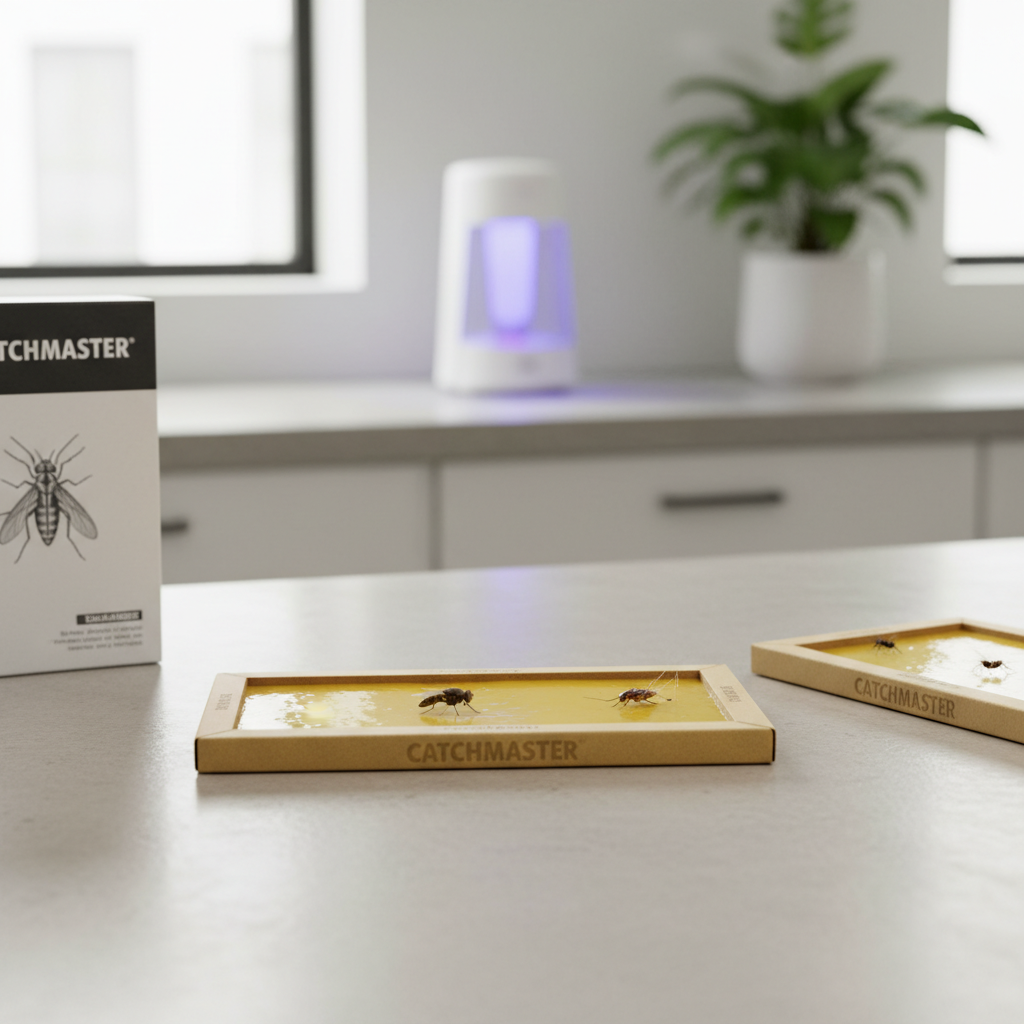
- Glue Trap Bug Zappers combine a light source (often UV or blue LED) with a sticky adhesive board. Insects are attracted to the light and then get stuck on the trap. These are excellent for quiet, chemical-free capture and are particularly effective for smaller insects and those sensitive to loud zapping sounds. However, they require regular replacement of glue boards.
Safety Features
Safety is a non-negotiable aspect, especially for indoor devices. Ensure the bug zapper has a protective cage or grid that prevents accidental contact with the high-voltage interior, particularly for children and pets. Look for durable, non-toxic materials and stable designs. Features like automatic shut-off or heat-resistant casings further enhance safety.
Power Consumption and Efficiency
An efficient bug zapper provides continuous protection without being an energy hog. Compare the wattage and look for models that balance effective insect attraction with low power consumption. Many modern designs, including those like the Owstra Bug Zapper (Indoor), prioritize energy efficiency to minimize your electricity bill.
Durability and Lifespan
Invest in a bug zapper from a reputable brand, known for quality construction and reliable performance. High-quality materials and robust internal components contribute to a longer lifespan, reducing the need for frequent replacements. Check for warranty information as an indicator of manufacturer confidence.
Ease of Cleaning and Maintenance
Regular cleaning is essential to maintain effectiveness and hygiene. Choose a design with an easily removable collection tray for quick disposal of zapped insects. Simple disassembly for cleaning the grid or replacing bulbs (if applicable) is a significant convenience factor. A small brush is often included for safely cleaning the grid.
Comparing Popular Indoor Bug Zapper Types
To help you make an informed decision, here’s a comparison of the primary types of indoor bug zappers based on key characteristics:
| Feature | UV Light Bug Zappers | LED Bug Zappers | Glue Trap Bug Zappers |
|---|---|---|---|
| Attraction | Broad spectrum of flying insects (mosquitoes, flies, moths) | Targeted wavelengths for specific insects, often mosquitoes | Light (UV/LED) attracts, then adhesive traps |
| Killing Method | Electric grid (zapping sound) | Electric grid (zapping sound) | Adhesive trap (silent capture) |
| Coverage | Generally wide, suitable for larger rooms | Varies, can be optimized for specific areas | Often smaller, localized coverage |
| Maintenance | Empty tray, occasional grid cleaning, bulb replacement | Empty tray, occasional grid cleaning, very long-lasting LEDs | Replace sticky glue boards regularly |
| Pros | Highly effective, broad insect attraction | Energy-efficient, long bulb life, potentially silent if no zap | Silent, chemical-free, captures small insects |
| Cons | Can produce loud “zap” sound, bulbs may degrade | May be less effective on very broad range of insects | Requires periodic replacement of glue boards, visible dead insects |
| Noise Level | Can be noisy | Can be noisy (if it zaps) or silent (if designed otherwise) | Silent |
The Ideal Owstra Bug Zapper (Indoor): Key Features
While specific product models may vary, an ideal Owstra Bug Zapper (Indoor) would embody the best features derived from extensive experience with indoor insect control devices.
This exemplary Owstra model would boast a powerful yet energy-efficient UV-A light bulb, designed to attract mosquitoes, flies, and gnats from a wide area, typically covering up to 800-1000 square feet. Its robust outer protective grid would be meticulously spaced to prevent accidental contact by curious fingers or paws, ensuring maximum safety for households with children and pets. The internal high-voltage grid would deliver an instant and decisive zap, eliminating insects upon contact, ensuring no escape.
Durability would be a cornerstone of its design, featuring a sturdy ABS plastic casing that withstands daily use and is easy to wipe clean. The bulb itself would offer a long lifespan, often exceeding 5,000 hours, minimizing the frequency of replacements. Crucially, the Owstra Bug Zapper would incorporate a silent operation mode, or at least a significantly reduced zapping sound, making it suitable for bedrooms and quiet living spaces. An easily detachable collection tray would simplify cleaning, allowing for hygienic disposal of insect debris with minimal effort.
Furthermore, an ideal Owstra Bug Zapper (Indoor) might include smart features such as a dusk-to-dawn sensor, automatically activating at night and deactivating at sunrise, optimizing energy use and convenience. Its compact and aesthetically pleasing design would allow it to blend seamlessly into various home decors, making it a functional yet unobtrusive addition to any room.
How to Use Your Indoor Bug Zapper Effectively
Maximizing the effectiveness of your Owstra Bug Zapper (Indoor) involves strategic placement and consistent maintenance.
Optimal Placement
Place the zapper in a dark area, away from competing light sources (like lamps or TVs). Insects are naturally drawn to the brightest light, so ensuring the zapper is the primary attraction is key. Position it between 3 to 6 feet off the ground, as this is often the flight path for many flying insects. Avoid placing it directly next to where people are sitting, as insects will be attracted to you first. A corner or entryway where insects might enter is often an effective spot.
Best Time for Use
Mosquitoes and many other flying insects are most active during dusk and throughout the night. It is highly recommended to turn on your bug zapper about 2-3 hours before you plan to occupy a room, and let it run continuously overnight for optimal results. Running it during daylight hours can still catch some insects but is generally less effective against nocturnal pests.
Cleaning and Maintenance
Regular cleaning is crucial for maintaining the zapper’s efficiency. Empty the collection tray frequently, ideally every few days, to prevent buildup and maintain hygiene. Use a small brush (often provided) to gently clear any debris from the electric grid. Always unplug the device before cleaning to avoid electric shock. For models with UV bulbs, remember that these bulbs have a finite lifespan and should be replaced annually, even if they still appear to be working, as their UV output diminishes over time, reducing their attractiveness to insects.
Safety Precautions
Always place the bug zapper out of reach of children and pets. While outer grids offer protection, direct contact with the inner electrified grid is dangerous. Avoid looking directly into the UV light for extended periods, as it can be harmful to eyes. Never use the indoor bug zapper outdoors unless it is specifically rated for outdoor use, as exposure to moisture can cause damage or create a safety hazard.
Where to Buy a Reliable Indoor Bug Zapper
When purchasing an indoor bug zapper, it’s vital to choose a reputable vendor to ensure product quality and reliable after-sales support.
Major electronics retailers and large home improvement stores often carry a selection of bug zappers. These stores typically offer warranty coverage and easy return policies. Online marketplaces are also excellent sources, providing a vast array of options and competitive pricing. When buying online, always check seller reviews and product ratings to gauge trustworthiness.
Look for stores or online sellers that clearly outline their warranty and return policies. An authorized dealer for brands like Owstra would be ideal, ensuring you receive a genuine product with full manufacturer support.
Important Considerations for Indoor Bug Zapper Use
To get the most out of your indoor bug zapper and ensure safe operation, keep these key points in mind:
- Location, Location, Location: As mentioned, strategic placement is crucial. Away from human activity but in the path of insect entry or congregation points.
- Avoid Direct Gaze: Do not stare directly into the UV light for prolonged periods. While many indoor zappers use lower-intensity UV-A, prolonged exposure can still be detrimental.
- Consistent Cleaning: A dirty grid or full collection tray significantly reduces effectiveness. Make cleaning a routine part of your pest control efforts.
- Bulb Replacement: For UV-light models, replace the bulbs annually. The light may still appear to function, but its UV spectrum, which attracts insects, weakens over time.
- Indoor Only (Unless Specified): Most indoor bug zappers are not designed to withstand outdoor elements like rain or high humidity, which can damage the electronics and create a shock hazard.
Buying Guide: Your Path to a Pest-Free Home
Navigating the market for an indoor bug zapper can be overwhelming, but a systematic approach will lead you to the perfect solution.
- Assess Your Needs: Determine the size of the room(s) you need to cover and the types of insects you primarily want to eliminate. This will help you narrow down the required coverage area and type of zapper.
- Research Thoroughly: Look for information on different brands and models. Read detailed reviews (like this one on the Owstra Bug Zapper (Indoor)) to understand real-world performance, pros, and cons.
- Compare Features and Specifications: Pay close attention to power, coverage, type of light, safety features, and ease of maintenance. A comparison chart, even one generic to types of zappers, can be very helpful.
- Check for Certifications and Warranties: Ensure the product meets safety standards and comes with a reasonable warranty, indicating manufacturer confidence.
- Read User Feedback: Customer reviews provide valuable insights into a product’s performance and reliability in diverse home environments.
- Budget Appropriately: While a higher price often indicates better quality, there are many effective and affordable options. Balance cost with features and durability.
- Review Usage Instructions: Always read the user manual before first use to understand proper setup, operation, and maintenance specific to your chosen model.
“An effective indoor bug zapper isn’t just about killing bugs; it’s about reclaiming your peace of mind and protecting your family’s health without relying on harsh chemicals.” – ReviewsPH.com Admin, Experienced Pest Control Technician
Conclusion
The pursuit of a home free from bothersome flying insects is a goal every homeowner shares. An indoor bug zapper, such as the Owstra Bug Zapper (Indoor), stands out as an effective, chemical-free, and practical solution. By understanding the core principles of how these devices work, recognizing their numerous benefits, and carefully considering the essential buying criteria, you can make an informed decision that brings lasting relief. Remember to prioritize safety, proper placement, and regular maintenance to ensure your chosen bug zapper delivers optimal performance. With the right device, you can enjoy a comfortable, healthy, and truly pest-free living space.
What steps will you take today to secure your home against flying invaders?
Frequently Asked Questions
How long does an indoor bug zapper bulb last?
The lifespan of a UV light bulb in an indoor bug zapper typically ranges from 3,000 to 5,000 hours, which often translates to about 6-12 months of continuous use. Even if the bulb still glows, its UV output, crucial for attracting insects, diminishes over time, so annual replacement is recommended for optimal effectiveness.
Are indoor bug zappers safe for pets and children?
Most indoor bug zappers are designed with protective outer grids to prevent accidental contact with the high-voltage internal grid, making them generally safe. However, always ensure the device is placed out of reach of small children and curious pets to prevent any mishaps. Never allow direct contact with the electrified components.
Can I use an indoor bug zapper outdoors?
Unless specifically rated for outdoor use, indoor bug zappers should not be used outside. They are not designed to withstand environmental factors like rain, humidity, or extreme temperatures, which can lead to electrical hazards, damage to the unit, or significantly reduce its lifespan and effectiveness.
What types of insects do indoor bug zappers attract?
Indoor bug zappers are primarily effective against a wide range of flying insects, including mosquitoes, flies, moths, gnats, and other winged pests. They are less effective against crawling insects like ants or cockroaches, which are not typically attracted to light.
How much electricity does an indoor bug zapper consume?
Most indoor bug zappers are relatively energy-efficient, especially models utilizing LED technology. Their power consumption usually ranges from 10 to 40 watts, similar to a standard light bulb. Running one continuously is unlikely to significantly impact your electricity bill.
Why is my bug zapper not catching many bugs?
Several factors can reduce a bug zapper’s effectiveness. It might be placed in an area with too much competing light, the UV bulb might be old and losing its attractiveness, the collection tray or grid could be dirty, or the primary insect problem might be a species not strongly attracted to the zapper’s light wavelength. Repositioning, cleaning, or replacing the bulb often resolves the issue.
Do indoor bug zappers make a loud noise?
Traditional indoor bug zappers with electric grids often produce an audible “zap” sound when an insect is electrocuted. The loudness can vary by model and the size of the insect. Some newer models are designed for quieter operation, and glue trap zappers are completely silent.