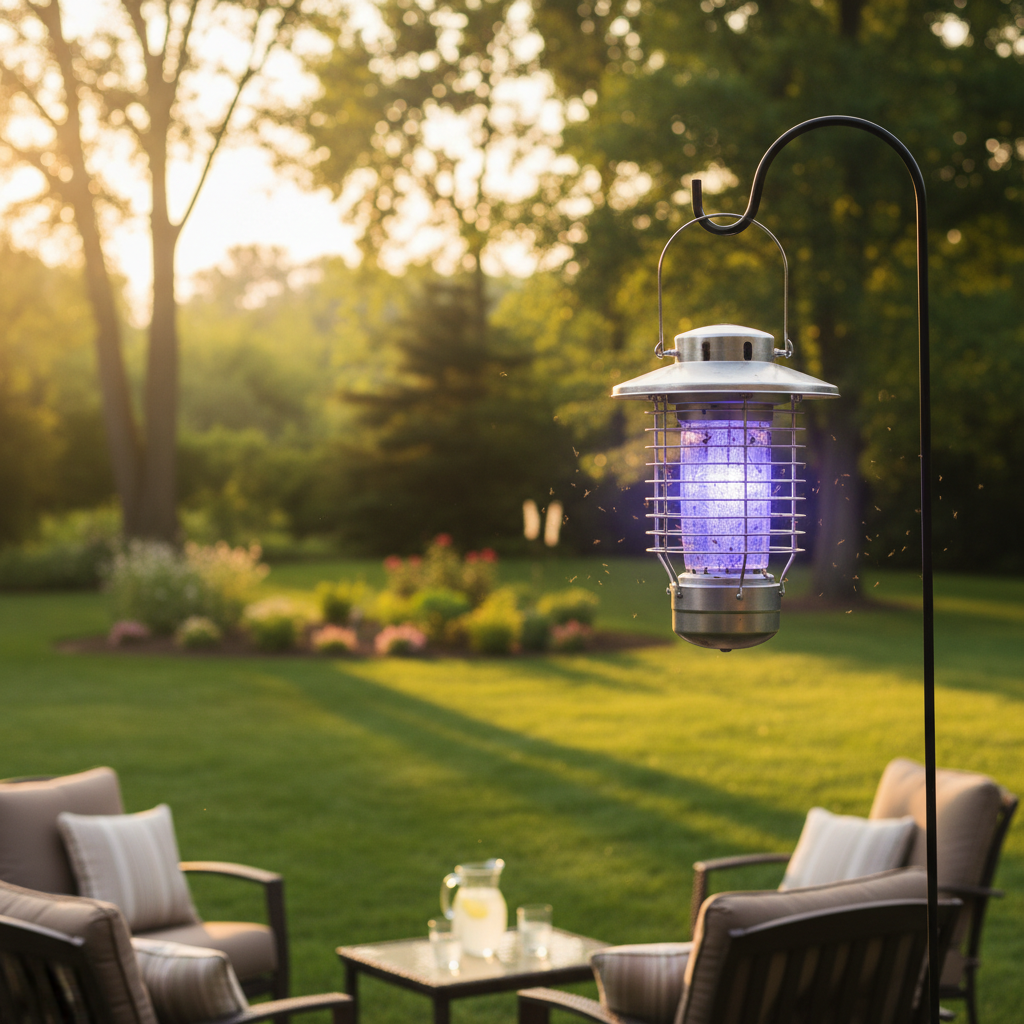
A dim UV light bulb can be more than just an annoyance; it can signal a critical drop in performance for systems relying on precise UV output, whether for sterilization, water purification, or industrial curing. When your UV lamp loses its vibrant glow, it’s essential to understand the underlying causes and know how to effectively troubleshoot the issue. Addressing a dim bulb promptly ensures your UV system operates at peak efficiency, maintaining the safety and effectiveness you depend on.
Understanding Why Your UV Bulb Dims
UV bulbs, especially those used for germicidal applications (UV-C), emit powerful ultraviolet light to achieve their purpose. When this light appears dim, it indicates a reduction in UV intensity, which can compromise the system’s effectiveness. Several factors contribute to a UV bulb losing its brilliance:
Aging and End-of-Life
|
Our Picks for the Best Mosquito killer lamp in 2026
As an Amazon Associate I earn from qualifying purchases.
|
||
| Num | Product | Action |
|---|---|---|
| 1 | Bug Zapper Light Bulb, 2 in 1 Mosquitoes Killer Lamp Led Electronic Insect & Fly Killer, Porch Light for Entryway, Doorway, Corridor, Balcony and Patio (White) |

|
| 2 | Bug Zapper Outdoor Indoor, Mosquito Zapper, Electric Fly Traps IPX4 Waterproof 20W Lamp Fly Insects Traps for Patio, Garage, Backyard, Porch |
|
| 3 | YISSVIC Bug Zapper Outdoor Indoor Waterproof Electric Mosquito Lamp Fly Zapper Killer Effective 4200V Plug in for Home Patio Office Courtyard (One-Light Control Bug Zapper) |
|
| 4 | Electric Bug Zapper Indoor, Mosquito Zapper with 3500V Powerful Dual Grid & Remote, Fly Zapper Fly Trap Insect Killer for Patio Yard Home Kitchen Camping - Including 2 Replacement Bulbs (Black) |
|
| 5 | LUOJIBIE Bug Zapper Outdoor, Electric Mosquito Killer Fly Trap with UV/LED Light, 4200V High Voltage Waterproof Flying Insect Zapper for Backyard Patio, Indoor Mosquito Zapper for Home Garage |
|
| 6 | GOOTOP Bug Zapper Outdoor, Mosquito Zapper, 3 Prong Plug in Electric Fly Zapper, Mosquito Killer, Fly Traps, Flying Insects Zapper Indoor Outdoor, 4200V, ABS Plastic Outer (Black) |
|
| 7 | YISSVIC Bug Zapper Outdoor Indoor Waterproof Electric Mosquito Lamp Fly Zapper Killer Effective 4200V Plug in for Home Patio Office Courtyard |
|
| 8 | ASPECTEK Insect Killer, Bug Zapper, Powerful 20W Electronic Indoor Fly Zapper for Mosquito, Fungus Gnat, Asian Beetle, Moth, Flying Pests - Indoor Use, Includes 2-Pack Replacement Bulbs |
|
| 9 | Buzbug 50,000 Hrs Lifespan LED Bug Zapper Indoor, 3800V High-Voltage Indoor Fly Trap, 3 LED Bulbs Enhanced Dual-Band Attraction & Energy Saving, Electric Mosquito Killer for Gnats, Fruit Flies, Moths |
|
| 10 | Electric Bug Zapper Indoor/Outdoor, 4200V High Powered Mosquito Zappers Killer, Waterproof Insect Fly Swatter Zapper Mosquito Trap Outdoor, Fly Traps, Insect Killer for Home,Garden,Backyard, Camping |
|
Like all light sources, UV bulbs have a finite operational lifespan, typically ranging from 1,000 to 1,500 hours for many traditional types. As they approach their end-of-life, the internal components degrade, leading to a natural decrease in UV output. You might notice the bulb struggling to ignite or appearing significantly dimmer than when new.
Dirt, Dust, and Contamination
A common and often overlooked culprit for a dim UV bulb is simple accumulation. Dust, dirt, oil, fingerprints, or other foreign substances on the bulb’s quartz surface can obstruct the UV light, reducing its effective transmission. This external contamination can also create “hot spots” on the bulb, accelerating internal degradation.
Electrical System Issues
The UV bulb is just one part of a larger electrical system. Problems with the power supply, such as a faulty ballast, loose wiring, or corroded electrical connections, can lead to insufficient or inconsistent power reaching the bulb. This can manifest as a dim, flickering, or even non-starting bulb.
Devitrification and Blackened Ends
Over time, the quartz glass envelope of a UV bulb can undergo a process called devitrification, where it turns crystalline, appearing as white spots or clouding. This reduces UV transmission. Additionally, electrode erosion, a natural part of the bulb’s operation, can cause tungsten deposits to blacken the ends of the bulb, further absorbing UV light and reducing overall output. Frequent on/off cycling can accelerate this process.
Reflector Problems
Many UV systems utilize reflectors to maximize and direct UV energy. If these reflectors become dirty, oxidized, scratched, or distorted, they can significantly reduce the amount of usable UV light projected from the system. In some cases, reflectors can account for up to 70% of the system’s usable UV energy, so their condition is paramount.
Overheating and Poor Ventilation
UV bulbs generate heat during operation. Inadequate ventilation or a compromised cooling system can cause the bulb to overheat. Excessive heat accelerates internal degradation, leading to premature dimming and shortened bulb life. Contaminated cooling air (e.g., with oil or moisture) can also negatively impact the bulb’s performance.
Essential Safety Precautions Before You Start
Working with electrical appliances and UV light requires caution. Always prioritize safety to prevent injury and damage to your equipment.
- Unplug the Device: Before attempting any inspection, cleaning, or replacement, always ensure the UV lamp system is completely unplugged from its power source.
- Wear Protective Gear: UV-C light is harmful to eyes and skin. Never look directly at an illuminated UV bulb. If you need to observe the bulb’s operation, do so through a protective barrier or by carefully noting a violet-blue glow without direct exposure. When handling bulbs, wear gloves to prevent transferring skin oils, and consider protective eyewear.
- Allow Cooling Time: UV bulbs can become extremely hot during operation. Give the system ample time to cool down before handling the bulb or internal components.
Step-by-Step Troubleshooting Guide
When your UV bulb goes dim, a systematic approach can help pinpoint the problem and guide you to a solution.
Step 1: Check the Basics – Power & Connections
Start with the simplest potential issues.
- Power Outlet: Ensure the UV lamp system is securely plugged into a functional power outlet. Test the outlet with another appliance to confirm it’s providing power.
- Power Cord: Inspect the power cord for any visible signs of damage, fraying, or loose connections. A damaged cord can interrupt power flow.
- Internal Connections: For systems where it’s accessible and safe, gently check the connections where the bulb plugs into its sockets. Loose contacts are a common cause of dimming or intermittent operation. Tighten any connections carefully.
Step 2: Clean the Bulb and Reflective Surfaces
External cleanliness is crucial for optimal UV output.
- Preparation: After ensuring the system is unplugged and cooled, carefully remove the UV bulb according to the manufacturer’s instructions.
- Cleaning the Bulb: Using a soft, lint-free cloth and isopropyl alcohol (or a cleaning solution specifically recommended by the manufacturer), gently wipe down the entire quartz surface of the bulb. Avoid touching the glass with bare hands after cleaning, as skin oils can cause devitrification when heated.
- Cleaning Reflectors: Inspect any reflective surfaces within the lamp housing. If they are dirty, clean them with the same isopropyl alcohol and lint-free cloth. If reflectors appear oxidized, pitted, or severely distorted, they may need replacement.
Step 3: Assess the Bulb’s Age and Condition
UV bulbs have a limited life.
- Check Lifespan: Refer to your system’s manual or the bulb’s specifications to determine its rated lifespan (e.g., 1,000–1,500 hours). If the bulb has exceeded or is nearing this operational limit, it’s likely experiencing natural degradation.
- Visual Inspection: Look for signs of wear such as significant blackening at the ends of the bulb or noticeable white, cloudy patches (devitrification) on the quartz. These are strong indicators that the bulb is nearing its end-of-life and needs replacement.
- Replacement: If the bulb is old or shows clear signs of degradation, the most straightforward solution is to replace it with a new, compatible UV bulb from a reputable manufacturer.
Step 4: Inspect the Ballast and Wiring
The ballast regulates the power supplied to the bulb.
- Signs of Failure: A failing ballast can cause a bulb to flicker, fail to ignite, or appear dim. Some ballasts may emit a buzzing sound, unusual odors, or show visible signs of damage.
- Compatibility: Ensure that the ballast in your system is compatible with the UV bulb you are using. Mismatched components can lead to inefficient operation and premature bulb failure.
- Wiring: Examine all internal wiring for any signs of scorching, breaks, or loose connections. If you suspect a faulty ballast or damaged wiring and are not comfortable working with electrical components, it’s best to seek professional assistance. Some ballasts can be replaced with compatible models.
Step 5: Examine the Environment and Cooling System
Overheating and environmental factors can impact performance.
- Airflow: Ensure that the UV lamp system has adequate airflow to prevent heat buildup. Check that vents are not obstructed by dust or debris.
- Air Filters: If your system has air filters for cooling, ensure they are clean and not clogged. Dirty filters restrict airflow, leading to overheating.
- Ambient Temperature: Operating the UV lamp in an excessively hot environment can also contribute to overheating issues.
Step 6: Consider Professional Help (When All Else Fails)
If you’ve gone through all the troubleshooting steps and your UV bulb remains dim, or if you encounter complex electrical issues, it’s time to consult a qualified technician or the manufacturer’s support. They have the expertise and specialized tools to diagnose and repair more intricate problems safely.
Maximizing Your UV Bulb’s Lifespan and Performance
Proactive maintenance can significantly extend the life and efficiency of your UV bulb:
- Regular Cleaning: Periodically clean the UV bulb and reflectors using isopropyl alcohol and a lint-free cloth, always wearing gloves. This prevents light obstruction and hot spots.
- Scheduled Replacement: Don’t wait for your bulb to completely fail. Track its operational hours and replace it proactively when it nears its recommended lifespan to ensure continuous optimal performance.
- Ensure Proper Ventilation: Keep the area around your UV lamp system clear and ensure all vents are unobstructed to allow for efficient cooling.
- Avoid Frequent Cycling: If your system allows, use standby modes rather than frequent on/off cycling to reduce stress on the bulb’s electrodes and extend its life.
- Use Correct Bulb Type: Always replace your UV bulb with the exact type and wattage specified by the manufacturer to ensure compatibility with your system’s ballast and power supply.
“A common mistake users make is neglecting the small details like cleaning and checking connections. Often, the solution to a dim UV light is simpler than they think, provided they approach it systematically and safely.” – Alex Tan, Senior UV System Technician
Frequently Asked Questions About Dim UV Lights
How often should I replace my UV bulb?
The replacement frequency for a UV bulb depends on its type and manufacturer’s specifications, but generally, UV-C germicidal bulbs have an effective lifespan of 1,000 to 1,500 operational hours. For critical applications, it’s often recommended to replace them proactively before reaching this limit, usually every 9 to 12 months, regardless of whether it appears dim.
Can a dirty bulb really make it dim?
Yes, absolutely. Accumulations of dust, dirt, grease, or even fingerprints on the quartz sleeve of a UV bulb can significantly block the emission of UV light, making the bulb appear dim. This external contamination can also lead to uneven heating of the bulb, accelerating internal degradation.
Is it safe to use a dim UV light?
While a dim UV light may still emit some UV radiation, its effectiveness for its intended purpose (like sterilization or water purification) is greatly reduced. Using a dim UV light for critical applications can lead to insufficient treatment and potential health risks, making it unsafe in terms of its function rather than direct danger from the dim light itself.
What is a ballast, and how do I know if it’s faulty?
A ballast is an electrical component that regulates the current to the UV bulb, ensuring it operates at the correct voltage and current. Signs of a faulty ballast include flickering lights, the bulb failing to ignite, an audible buzzing noise, or unusual odors coming from the lamp housing. Testing a ballast typically requires a multimeter and electrical knowledge, so professional assistance might be needed.
Can I use any cleaning solution on my UV bulb?
No, it’s crucial to use only cleaning solutions recommended by the manufacturer, typically isopropyl alcohol (IPA), and a soft, lint-free cloth. Harsh chemicals or abrasive materials can damage the quartz glass of the UV bulb, further reducing its efficiency or even causing it to break. Always handle the bulb with clean gloves.
Conclusion
A dim UV light bulb is a clear signal that your UV system isn’t performing optimally. By systematically troubleshooting common issues like aging, contamination, and electrical faults, you can often restore your UV lamp to full efficiency. Remember to prioritize safety during any inspection or maintenance. Regular cleaning, timely bulb replacement, and ensuring proper ventilation are key to maximizing your UV bulb’s lifespan and ensuring it provides the consistent, effective UV output you rely on. Don’t let a dim light compromise your system’s effectiveness – take action and bring back the brightness! What measures will you take today to ensure your UV system is operating at its best?