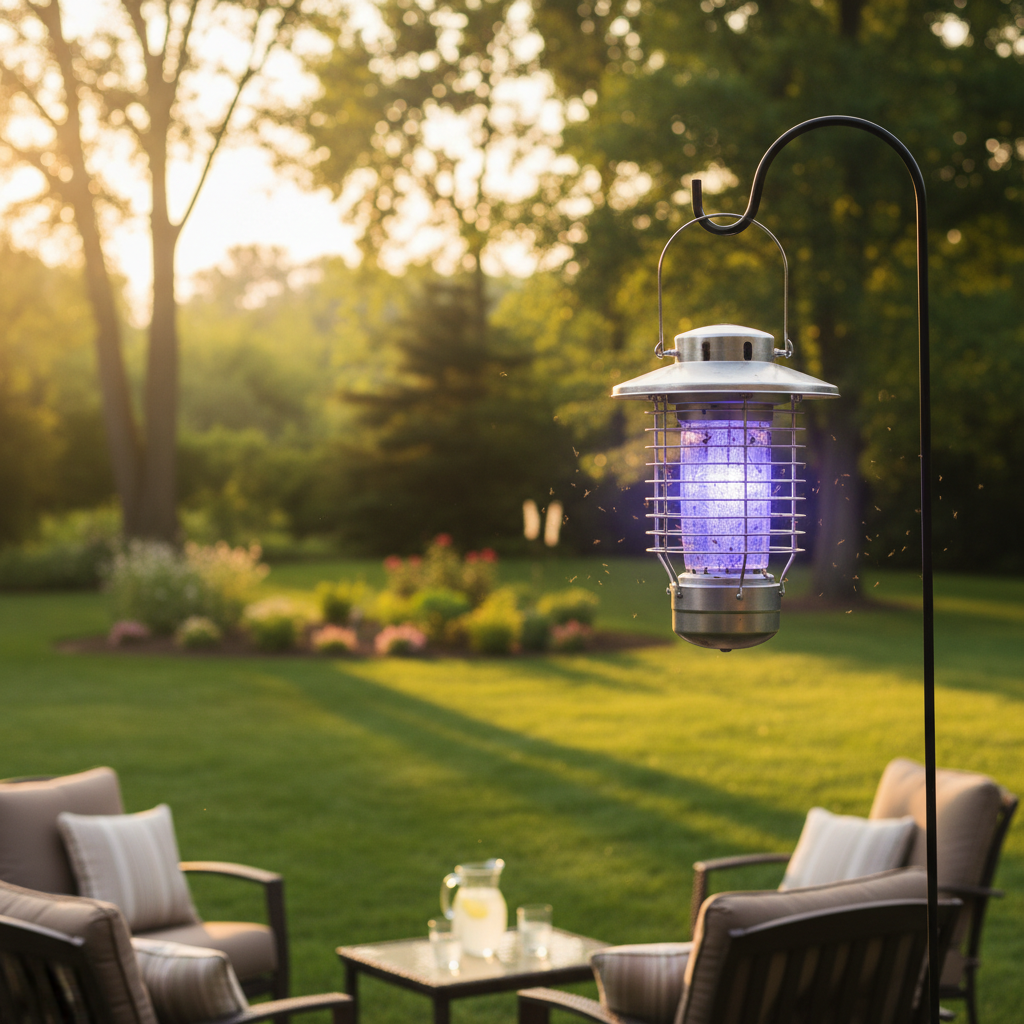
Are you constantly battling a buzzing brigade of mosquitoes and other pesky flying insects? You’re not alone. The relentless hum and irritating bites can quickly turn an enjoyable evening outdoors or a quiet moment indoors into a frustrating ordeal. While a mosquito zapper is a powerful tool in your pest control arsenal, its effectiveness hinges almost entirely on one crucial factor: placement. A well-placed mosquito zapper can dramatically reduce insect populations, creating a more comfortable and bite-free environment. But where exactly should you put it to ensure it’s working its magic to its fullest potential? This comprehensive guide, informed by years of experience, will unveil the strategic secrets to optimal zapper placement, helping you reclaim your space from unwanted bugs.
What is a Mosquito Zapper and How Does It Work?
A mosquito zapper, often referred to as a bug zapper, is an electronic device designed to attract and eliminate flying insects. At its core, it operates on a simple yet effective principle: light attraction and electrical extermination. These devices typically use ultraviolet (UV) light, which is highly appealing to many nocturnal insects like mosquitoes, moths, and flies. The UV light spectrum, often in the 365-395 nm range, acts as a powerful beacon, drawing insects towards the unit.
Once lured by the light, insects fly into an electrified grid surrounding the light source. Upon contact, they are instantly electrocuted and fall into a collection tray at the bottom of the unit. This method offers a chemical-free approach to pest control, making it a popular choice for homes and outdoor areas. Different models may vary in design and power, but the fundamental attraction-and-zap mechanism remains consistent, making placement critical for intercepting the highest number of insects.
The Benefits of Strategic Zapper Placement
The thoughtful placement of your mosquito zapper goes beyond simply turning it on; it significantly amplifies its inherent advantages, ensuring you get the most out of your investment. When positioned correctly, a zapper offers a multitude of benefits for creating a more comfortable and healthier living space.
Firstly, strategic placement enhances its primary function: effective mosquito elimination. By placing the device where mosquitoes are most active and away from where people gather, you create an “interception zone” that catches pests before they become a nuisance. This proactive approach is far more efficient than traditional methods like swatting or constantly spraying. Secondly, zappers provide a safer alternative to chemical insecticides. Unlike sprays or coils that release potentially harmful chemicals into the air, zappers operate without any noxious fumes or residues, making them a preferred choice for families with children, pets, or individuals sensitive to chemicals. This chemical-free operation also means they are more environmentally friendly.
Furthermore, proper placement contributes to the protection of your family’s health. Mosquitoes are notorious carriers of diseases such as dengue fever, Zika, and malaria. By effectively reducing the mosquito population around your home, a well-placed zapper acts as a crucial barrier against these illnesses. While a zapper might seem like a small appliance, its strategic deployment can lead to significant cost savings in the long run by reducing the need for expensive repellent sprays, candles, and professional pest control services. Ultimately, an optimally placed mosquito zapper allows you to enjoy your indoor and outdoor spaces with greater peace of mind, knowing you have an efficient, safe, and eco-conscious defense against flying invaders.
Key Factors for Optimal Zapper Placement
Achieving maximum effectiveness from your mosquito zapper isn’t just about plugging it in; it’s about understanding and leveraging several environmental and spatial factors. Optimal placement transforms your zapper from a simple device into a highly efficient insect interception system.
Distance from Human Activity
|
Our Picks for the Best Mosquito killer lamp in 2026
As an Amazon Associate I earn from qualifying purchases.
|
||
| Num | Product | Action |
|---|---|---|
| 1 | ASPECTEK Insect Killer, Bug Zapper, Powerful 20W Electronic Indoor Fly Zapper for Mosquito, Fungus Gnat, Asian Beetle, Moth, Flying Pests - Indoor Use, Includes 2-Pack Replacement Bulbs |

|
| 2 | Electric Bug Zapper Indoor/Outdoor, 4200V High Powered Mosquito Zappers Killer, Waterproof Insect Fly Swatter Zapper Mosquito Trap Outdoor, Fly Traps, Insect Killer for Home,Garden,Backyard, Camping |
|
| 3 | YISSVIC Bug Zapper Outdoor Indoor Waterproof Electric Mosquito Lamp Fly Zapper Killer Effective 4200V Plug in for Home Patio Office Courtyard |
|
| 4 | YISSVIC Bug Zapper Outdoor Indoor Waterproof Electric Mosquito Lamp Fly Zapper Killer Effective 4200V Plug in for Home Patio Office Courtyard (One-Light Control Bug Zapper) |
|
| 5 | Buzbug 50,000 Hrs Lifespan LED Bug Zapper Indoor, 3800V High-Voltage Indoor Fly Trap, 3 LED Bulbs Enhanced Dual-Band Attraction & Energy Saving, Electric Mosquito Killer for Gnats, Fruit Flies, Moths |
|
| 6 | LUOJIBIE Bug Zapper Outdoor, Electric Mosquito Killer Fly Trap with UV/LED Light, 4200V High Voltage Waterproof Flying Insect Zapper for Backyard Patio, Indoor Mosquito Zapper for Home Garage |
|
| 7 | Bug Zapper Outdoor Indoor, Mosquito Zapper, Electric Fly Traps IPX4 Waterproof 20W Lamp Fly Insects Traps for Patio, Garage, Backyard, Porch |
|
| 8 | Electric Bug Zapper Indoor, Mosquito Zapper with 3500V Powerful Dual Grid & Remote, Fly Zapper Fly Trap Insect Killer for Patio Yard Home Kitchen Camping - Including 2 Replacement Bulbs (Black) |
|
| 9 | Bug Zapper Light Bulb, 2 in 1 Mosquitoes Killer Lamp Led Electronic Insect & Fly Killer, Porch Light for Entryway, Doorway, Corridor, Balcony and Patio (White) |
|
| 10 | GOOTOP Bug Zapper Outdoor, Mosquito Zapper, 3 Prong Plug in Electric Fly Zapper, Mosquito Killer, Fly Traps, Flying Insects Zapper Indoor Outdoor, 4200V, ABS Plastic Outer (Black) |
|
One of the most critical rules for zapper placement is to position it away from areas where people gather. Mosquito zappers are designed to attract insects, and placing them too close to your patio, deck, dining area, or living room can inadvertently draw bugs towards you rather than away. The goal is to create an “interception zone” that pulls mosquitoes and other flying pests away from your personal space before they can reach you. For outdoor settings, aim to place your zapper approximately 15 to 30 feet away from your main activity areas. Indoors, ensure it’s not directly above or beside seating areas.
Ideal Height
The height at which your zapper is placed significantly impacts its ability to catch insects. Most flying insects, including mosquitoes, tend to hover and fly at specific elevations when searching for food or warmth.
- Indoors: For indoor zappers, a height of about 3 to 5 feet (or 1.5 to 2 meters) off the ground is generally ideal. This mid-level placement aligns with the typical flight path of many household pests. Some experts also suggest 5-7 feet high to keep it safely out of reach of children and pets while still being effective.
- Outdoors: Similarly, outdoor zappers perform best when hung around 5 to 7 feet above the ground. This elevation allows the UV light to be widely visible to flying insects without being obstructed by ground-level obstacles or vegetation. Ensure it’s stable and securely mounted.
Competing Light Sources
Mosquito zappers rely on their UV light to attract insects. If your zapper is placed near other bright light sources – such as porch lights, outdoor spotlights, or even bright indoor lamps – its effectiveness can be severely diminished. These competing lights can distract insects, drawing them away from your zapper’s lure. For best results, ensure your zapper is the primary light source in its immediate vicinity, especially during peak insect activity times like dusk and nighttime. In darker environments, the UV light will stand out more prominently, making it a more irresistible magnet for pests.
Proximity to Bug Hotspots
To maximize catch rates, place your zapper near known insect hotspots or entry points. Think like a bug: where would you enter or gather?
- Indoors: Consider placing zappers near kitchen entrances, trash bins, pet feeding areas, or damp corners where insects like gnats and flies might congregate. Near doors or balconies where insects typically enter the home are also prime spots.
- Outdoors: Position zappers close to standing water sources (which are breeding grounds for mosquitoes), dense vegetation, compost piles, or shaded, moist areas. These are common hangouts for flying insects.
Shaded vs. Open Areas
The choice between a shaded or open area depends on the specific insects you’re targeting and the time of day.
- Shaded Areas: Mosquitoes, in particular, prefer cooler, shaded locations during the day. Placing your zapper in a shaded spot outdoors can enhance its effectiveness, especially if you’re targeting daytime biters. Ensure it has some cover from direct sunlight while still being visible.
- Open Areas: For broader insect control, particularly moths and other flying insects active at night, placing the zapper in an open area can allow its light to cast a wider net, attracting bugs from a greater distance. Avoid hanging it in tight corners or alcoves where its light might be obstructed.
Airflow and Wind
While zappers are designed to attract insects, strong winds or direct airflow from fans can disrupt their performance.
- Avoid Fans: Indoors, keep your zapper away from ceiling fans, standing fans, or air conditioning vents. Direct airflow can blow insects away from the zapper’s grid or interfere with the spread of its UV light.
- Consider Wind: Outdoors, while a gentle breeze might not be an issue, placement in a highly windy spot can reduce the number of insects that effectively reach the grid. Choose a somewhat sheltered, but still open, location if possible.
Indoor Zapper Placement Strategies
Optimizing your mosquito zapper’s performance indoors requires a strategic approach tailored to the unique characteristics of different rooms and potential insect entry points. Effective indoor placement can turn your home into a fortress against flying pests.
Kitchen and Dining Areas
The kitchen is often a magnet for flies, gnats, and fruit flies due to the presence of food, moisture, and odors.
- Strategic Spot: Place your zapper near the kitchen entrance or close to a trash can. This intercepts bugs as they enter or gather.
- Safety First: Absolutely avoid placing the zapper directly above food preparation surfaces, dining tables, or food storage areas. While effective, zappers can occasionally expel small insect particles upon impact, which is unhygienic near food. Maintain a distance of at least 4 feet (1.2 meters) from food prep zones.
Living Rooms and Bedrooms
In living rooms and bedrooms, the primary goal is often to create a bug-free zone for relaxation and sleep.
- Entry Points: Position the zapper near windows, balcony doors, or other entry points where insects might sneak in.
- Away from Activity: As with outdoor placement, keep the zapper away from where people sit or sleep. A corner of the room, about 5-7 feet high, can be effective without drawing bugs directly towards you.
- Bedroom Specifics: In bedrooms, consider placing the zapper for a few hours before bedtime, then turning it off or relocating it to a less obtrusive area to avoid light disturbance during sleep.
Entryways and Hallways
Entryways, mudrooms, and hallways are natural corridors for insects entering your home.
- Interception Zone: Placing a zapper in these areas acts as an early warning system, catching bugs before they penetrate deeper into your living spaces.
- Visibility: Ensure the zapper is visible from the main entry point to maximize its attractive power. Wall-mounted units are often ideal here, positioned at a suitable height.
Avoiding Common Indoor Pitfalls
- Behind Furniture: Never hide your zapper behind curtains, furniture, or appliances. Its UV light needs to be clearly visible to attract insects effectively.
- Direct Airflow: Keep it away from fans, air conditioning vents, or open windows with strong breezes, as these can deter insects from reaching the unit.
- Other Lights: Ensure the zapper is not competing with other bright indoor lights, especially warm white lamps, which can diminish its UV attraction.
By meticulously considering these indoor strategies, you can significantly enhance your zapper’s performance and enjoy a more peaceful, bug-free home environment.
Outdoor Zapper Placement Strategies
Transforming your outdoor space into a sanctuary free from biting and buzzing insects is achievable with smart zapper placement. The key is to strategically position the device to draw bugs away from your gatherings and tackle them at their source.
Patios, Decks, and Gathering Areas
Your outdoor living spaces are where you want to enjoy peace and quiet, not battle bugs.
- The Critical Distance Rule: Place your zapper 15 to 30 feet away from your main activity areas like patios, decks, or outdoor dining tables. This creates an “interception zone” that lures mosquitoes away from your guests before they can reach you. Think of it as setting up a defensive perimeter. Placing it too close will only draw bugs to your gathering.
- Not in Direct View: While the light needs to be visible to insects, avoid placing it where the light is directly in the line of sight of your guests, as the bright UV can be uncomfortable to look at for extended periods.
Yards and Garden Areas
Expanding your zapper’s reach across your entire yard requires thoughtful consideration of bug habitats.
- Near Breeding Grounds: Mosquitoes often breed in standing water. Position your zapper near ponds, bird baths, drainage areas, or dense vegetation where moisture collects. This allows you to target them close to their source.
- Shaded vs. Sunny: Mosquitoes prefer cooler, shaded areas during the day. Placing your zapper in a shaded spot can be more effective for daytime mosquito control. At night, a more open but still somewhat secluded location can attract a wider range of nocturnal flying insects.
- Open Areas: Ensure the zapper has a clear line of sight, allowing its UV light to radiate effectively. Avoid hanging it deep within dense bushes or tight corners where its range is limited.
The Triangle Method for Large Spaces
For properties with extensive outdoor areas or multiple gathering spots, consider the “triangle method.”
- Strategic Triangulation: Position three zappers in a triangular pattern around your main activity area, each maintaining the recommended distance from people. This creates overlapping interception zones, catching mosquitoes and other pests from multiple approach angles and providing comprehensive coverage for larger spaces like pool areas or expansive lawns.
Distance from Doors and Windows
To prevent accidentally drawing more bugs into your home, keep outdoor zappers at least 10-15 feet away from exterior doors and windows. This minimizes the chance of insects being attracted to your house before being zapped.
By implementing these outdoor placement strategies, you can significantly enhance your zapper’s performance, allowing you to enjoy your yard, patio, and garden with minimal interruption from flying pests.
Maximizing Your Zapper’s Performance
Beyond initial placement, several ongoing practices can significantly enhance your mosquito zapper’s effectiveness and ensure it continues to provide optimal pest control throughout its lifespan.
Timing for Peak Activity
Insects, particularly mosquitoes, have peak activity times.
- Nighttime Use: Most flying insects are nocturnal or crepuscular (active during dusk and dawn). Your zapper will be most effective when operated during these periods, especially after sunset and throughout the night. The UV light will be most prominent and attractive in darker environments.
- Pre-emptive Strikes: Turn your zapper on a few hours before you plan to use an outdoor area or before mosquitoes become active. This allows it to begin clearing the area of pests before you even step outside.
Regular Cleaning and Maintenance
A dirty zapper is an inefficient zapper. Accumulated insect debris can clog the grid and reduce the effectiveness of the UV light.
- Empty Collection Tray: Regularly empty the collection tray, ideally daily or every few days, depending on the insect volume.
- Clean the Grid: Periodically, use a small brush (often supplied with the zapper) to gently clear any stuck insects from the electrified grid. Always unplug the unit before cleaning to prevent electric shock.
- UV Bulb Replacement: UV bulbs lose their intensity over time, typically after one season of use. Even if they still appear to be glowing, their insect-attracting UV spectrum diminishes. Replace bulbs annually for consistent performance.
Complementing Other Pest Control Methods
While a powerful tool, a zapper is most effective when used as part of a broader pest control strategy.
- Eliminate Breeding Sites: Remove standing water sources from your property (e.g., old tires, clogged gutters, saucers under potted plants) to reduce mosquito breeding.
- Screens and Barriers: Ensure windows and doors have well-maintained screens to prevent insects from entering your home.
- Repellents: For personal protection, especially in areas with high insect density, consider using personal repellents.
- Landscape Management: Keep lawns mowed and vegetation trimmed to reduce hiding spots for mosquitoes.
By integrating these practices, you can ensure your mosquito zapper operates at its peak, providing continuous and superior protection against flying insects.
Common Mistakes to Avoid When Placing Your Zapper
Even with the best intentions, certain placement errors can severely undermine your mosquito zapper’s effectiveness, leading to frustration and continued insect problems. Being aware of these common pitfalls can save you time and ensure your investment pays off.
- Placing It Too Close to People: This is arguably the most frequent mistake. The zapper’s primary function is to attract insects. If it’s right next to your patio, outdoor dining table, or living room couch, you’re essentially drawing bugs directly to your personal space before they have a chance to be zapped. Remember the 15-30 foot rule for outdoor areas.
- Positioning Near Competing Light Sources: Bright porch lights, decorative string lights, or even a brightly lit window can easily outshine your zapper’s UV light, making it less appealing to insects. Ensure your zapper is the most dominant light source in its immediate vicinity for optimal attraction.
- Ignoring Maintenance and Cleaning: A zapper clogged with dead insects won’t work efficiently. The debris can block the UV light, insulate the grid, and simply look unsightly. Failing to regularly empty the tray and clean the grid significantly reduces its capacity to attract and eliminate new insects.
- Choosing the Wrong Height: Placing a zapper too high can make its UV light less visible to low-flying insects like mosquitoes. Conversely, placing it too low (especially outdoors) can reduce its effective range and make it accessible to children and pets, posing a safety hazard. Aim for the recommended mid-level heights (3-7 feet depending on indoor/outdoor).
- Placing It in the Middle of Nowhere: While you want it away from people, putting a zapper in an area completely devoid of insect activity means it won’t have many targets. It needs to be close enough to where bugs congregate (e.g., near vegetation, water sources, entry points) to be effective.
- Using It in Direct Sunlight: Direct sunlight can diminish the effectiveness of the UV light, and for some zappers, prolonged exposure to harsh elements might reduce their lifespan. While some shade is good for mosquitoes, ensure the unit is designed for outdoor use if exposed to weather.
- Believing It’s a Standalone Solution: A zapper is a powerful tool, but it’s rarely a magic bullet. Relying solely on a zapper without addressing other pest control measures, like eliminating standing water or sealing entry points, will limit its overall impact.
By consciously avoiding these common errors, you can dramatically improve your zapper’s performance and enjoy a more effective, bug-free environment.
Choosing the Right Zapper for Your Needs
While this guide focuses on placement, selecting the appropriate mosquito zapper is foundational to its ultimate effectiveness. Not all zappers are created equal, and matching the device to your specific needs ensures optimal performance.
Begin by assessing your primary usage area: Will it be predominantly indoors or outdoors? Outdoor zappers are typically more robust, designed to cover larger areas, and often weather-resistant. Indoor models are usually more compact, quieter, and designed for household use.
Consider the coverage area specified by the manufacturer. Zappers come with varying ranges, often measured in square footage or acreage. Choose a model that adequately covers the size of the space you intend to protect. An undersized zapper for a large yard will struggle to make a significant impact, regardless of perfect placement.
Evaluate the type of light used. While most zappers utilize UV light, some may incorporate additional attractants or have different bulb configurations. Research indicates that specific UV wavelengths (365-395 nm) are most effective for phototaxis in many flying insects.
Finally, think about safety and maintenance features. Look for models with protective cages to prevent accidental contact with the electric grid, especially if you have children or pets. Detachable collection trays make cleaning much easier, which is crucial for maintaining performance. Investing in a quality, appropriately sized zapper designed for your environment will set the stage for maximum results when combined with strategic placement.
Conclusion
Mastering the art of mosquito zapper placement is the ultimate secret to transforming your outdoor and indoor spaces into comfortable, bite-free zones. It’s not enough to simply own a zapper; understanding the science and strategy behind its positioning is what truly unlocks its potential. By consistently applying principles such as maintaining a safe distance from human activity, choosing the ideal height, avoiding competing light sources, and targeting bug hotspots, you can significantly amplify your device’s effectiveness.
Remember to prioritize regular cleaning, operate your zapper during peak insect activity, and consider integrating it with other pest control methods for a comprehensive defense. By avoiding common placement pitfalls and choosing a zapper suited to your environment, you’re not just zapping bugs; you’re reclaiming your peace of mind and the enjoyment of your home. Are you ready to strategically deploy your zapper and finally say goodbye to incessant buzzing?
Frequently Asked Questions
Where is the best place to put a mosquito zapper?
The best place depends on whether it’s indoors or outdoors. Outdoors, position it 15-30 feet away from human activity areas, near bug hotspots like standing water or dense vegetation. Indoors, place it near entry points or in bug-prone areas like kitchens, but away from food prep surfaces and competing light sources.
How high should a bug zapper be off the ground?
For optimal results, aim for a height of 3-5 feet (or 1.5-2 meters) off the ground for indoor zappers. For outdoor units, 5-7 feet is generally recommended. This mid-level placement aligns with the typical flight paths of most flying insects and keeps the zapper safely out of reach of children and pets.
Do bug zappers work better in the dark?
Yes, bug zappers are significantly more effective in the dark. Their UV light, which attracts insects, stands out much more prominently when there are no other competing light sources. This is why operating them from dusk through the night yields the best results for catching nocturnal flying insects like mosquitoes and moths.
Should I put my bug zapper near my patio?
No, you should not place your bug zapper directly near your patio. Instead, place it 15-30 feet away from your patio or other outdoor gathering areas. This creates an “interception zone” that draws bugs away from your space before they can reach you and your guests.
Can I place a bug zapper in my kitchen?
You can place a bug zapper in your kitchen, but with caution. Position it near the kitchen entrance or a trash bin, which are common areas for flies and gnats. However, always keep it a safe distance (at least 4 feet/1.2 meters) away from food preparation surfaces and dining areas to maintain hygiene and prevent insect debris from contaminating food.