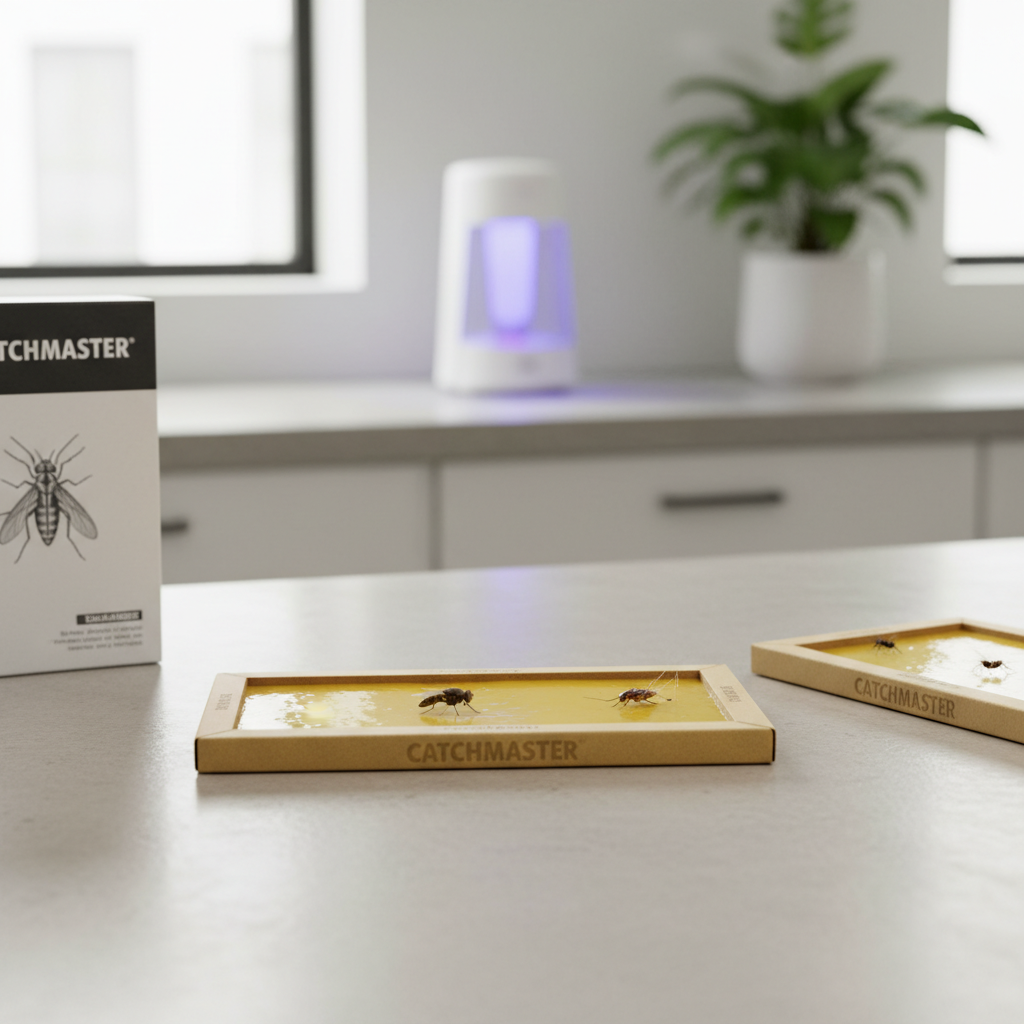
Dealing with flying insects like mosquitoes, flies, and gnats can be a persistent nuisance, disrupting peace and posing health risks. When seeking an effective mosquito killer lamp or device, homeowners often find themselves weighing two popular options: the electric grid zapper and the sticky glue trap. Both utilize different approaches to pest control, offering distinct advantages and disadvantages depending on your specific needs and environment. Understanding how each device works, their strengths, and their weaknesses is crucial for making an informed decision that ensures effective, safe, and hygienic insect management for your home. Let’s explore the key differences to help you choose the best solution.
Understanding the Mechanisms: Grid Zappers and Sticky Glue Traps
To effectively compare electric grid zappers and sticky glue traps, it’s essential to first grasp their fundamental operating principles. While both aim to reduce flying insect populations, their methods of elimination are quite distinct.
What is a Grid Zapper?
|
Our Picks for the Best Mosquito killer lamp in 2026
As an Amazon Associate I earn from qualifying purchases.
|
||
| Num | Product | Action |
|---|---|---|
| 1 | Bug Zapper Light Bulb, 2 in 1 Mosquitoes Killer Lamp Led Electronic Insect & Fly Killer, Porch Light for Entryway, Doorway, Corridor, Balcony and Patio (White) |

|
| 2 | GOOTOP Bug Zapper Outdoor, Mosquito Zapper, 3 Prong Plug in Electric Fly Zapper, Mosquito Killer, Fly Traps, Flying Insects Zapper Indoor Outdoor, 4200V, ABS Plastic Outer (Black) |
|
| 3 | Bug Zapper Outdoor Indoor, Mosquito Zapper, Electric Fly Traps IPX4 Waterproof 20W Lamp Fly Insects Traps for Patio, Garage, Backyard, Porch |
|
| 4 | YISSVIC Bug Zapper Outdoor Indoor Waterproof Electric Mosquito Lamp Fly Zapper Killer Effective 4200V Plug in for Home Patio Office Courtyard (One-Light Control Bug Zapper) |
|
| 5 | ASPECTEK Insect Killer, Bug Zapper, Powerful 20W Electronic Indoor Fly Zapper for Mosquito, Fungus Gnat, Asian Beetle, Moth, Flying Pests - Indoor Use, Includes 2-Pack Replacement Bulbs |
|
| 6 | Electric Bug Zapper Indoor, Mosquito Zapper with 3500V Powerful Dual Grid & Remote, Fly Zapper Fly Trap Insect Killer for Patio Yard Home Kitchen Camping - Including 2 Replacement Bulbs (Black) |
|
| 7 | LUOJIBIE Bug Zapper Outdoor, Electric Mosquito Killer Fly Trap with UV/LED Light, 4200V High Voltage Waterproof Flying Insect Zapper for Backyard Patio, Indoor Mosquito Zapper for Home Garage |
|
| 8 | YISSVIC Bug Zapper Outdoor Indoor Waterproof Electric Mosquito Lamp Fly Zapper Killer Effective 4200V Plug in for Home Patio Office Courtyard |
|
| 9 | Electric Bug Zapper Indoor/Outdoor, 4200V High Powered Mosquito Zappers Killer, Waterproof Insect Fly Swatter Zapper Mosquito Trap Outdoor, Fly Traps, Insect Killer for Home,Garden,Backyard, Camping |
|
| 10 | Buzbug 50,000 Hrs Lifespan LED Bug Zapper Indoor, 3800V High-Voltage Indoor Fly Trap, 3 LED Bulbs Enhanced Dual-Band Attraction & Energy Saving, Electric Mosquito Killer for Gnats, Fruit Flies, Moths |
|
An electric grid zapper, often referred to as a bug zapper or insect zapper, is a device that attracts flying insects and eliminates them through electrocution. Typically, these units feature an ultraviolet (UV) light that acts as a beacon, drawing insects towards its core. Once an insect comes into contact with a high-voltage metal grid surrounding the light source, it receives an electric shock, resulting in its demise. This mechanism is known for its instant kill capability, often accompanied by a characteristic “zap” sound.
What is a Sticky Glue Trap?
A sticky glue trap, also known as a glue board or fly trap, employs a non-drying adhesive surface to capture insects. Similar to grid zappers, many modern sticky traps also incorporate UV light to lure pests. However, instead of electrocuting them, these traps rely on a strong, sticky glue that holds insects fast upon contact. Once caught, the insects remain stuck until the trap is full or disposed of. These traps operate silently and are often designed to be discreet, making them suitable for various indoor settings.
Common Ground: UV Light Attraction
Both electric grid zappers and many sticky glue traps leverage ultraviolet (UV) light as their primary attractant. Insects, particularly nocturnal ones, are naturally drawn to the specific wavelengths emitted by UV lamps. This shared attraction mechanism highlights their effectiveness in drawing flying pests from a distance, making them proactive tools in insect control. The main divergence lies in what happens after the insects are lured in.
Benefits of Using Grid Zappers
Electric grid zappers offer several compelling advantages that make them a popular choice for insect control, particularly in certain environments.
Instant Kill and Visible Results
One of the most immediate benefits of a bug zapper is its instant kill mechanism. As insects touch the electrified grid, they are immediately dispatched, providing satisfying and visible proof of effectiveness. This rapid elimination can be particularly appealing for quickly reducing large populations of flying pests, offering a sense of immediate relief from buzzing intruders.
Chemical-Free Operation
Grid zappers offer a chemical-free method of pest control. Unlike sprays or foggers that release pesticides into the environment, zappers rely solely on light attraction and electric shock. This makes them a safer option for those concerned about chemical exposure, especially around children, pets, or in areas where food is prepared.
Lower Long-Term Costs
While the initial investment in a quality grid zapper might be comparable to some advanced glue traps, their long-term operational costs are generally lower. The primary maintenance involves cleaning the collection tray and replacing UV bulbs annually, which are relatively inexpensive compared to the recurring cost of replacing disposable glue boards every few weeks.
Benefits of Using Sticky Glue Traps
Sticky glue traps, while different in their approach, provide distinct advantages that make them highly suitable for specific pest control needs and environments.
Silent and Odor-Free Operation
A significant benefit of sticky glue traps is their completely silent operation. Unlike grid zappers that produce audible “zaps,” glue traps work without any noise, making them ideal for quiet indoor spaces such as bedrooms, offices, or living areas. Furthermore, they are typically odor-free, preventing any unpleasant smells associated with insect elimination, which can be a concern with some pest control methods.
Hygienic Containment (No Fragmentation)
One of the primary advantages of glue traps is their ability to hygienically contain trapped insects. When an insect is electrocuted by a zapper, there’s a risk of insect fragments or “blow-out” scattering into the surrounding area, potentially contaminating surfaces or food. Sticky traps, on the other hand, capture insects whole on their adhesive surface, preventing any fragmentation and ensuring a cleaner, more sanitary method of disposal.
Effective for Sensitive Areas and Specific Pests
Due to their silent and clean operation, sticky glue traps are often recommended for sensitive environments like kitchens, food preparation areas, hospitals, or restaurants, where hygiene is paramount. They are particularly effective against smaller, less active flying insects such as fruit flies, gnats, and certain mosquitoes, as well as crawling insects if placed strategically. They also serve as excellent monitoring tools to track pest activity without introducing chemicals.
Key Factors to Consider When Choosing
Selecting between a grid zapper and a sticky glue trap requires careful consideration of several factors, ensuring the chosen device aligns with your specific pest control goals and environmental conditions.
Intended Use Environment: Indoor vs. Outdoor Suitability
The location where you plan to use the mosquito killer device is a critical determinant. Grid zappers are often best suited for outdoor spaces like patios, decks, and backyards, where their “zapping” sound is less disruptive and potential insect fragmentation is not a significant hygiene concern. While indoor-rated zappers exist, their outdoor counterparts generally offer broader coverage. Sticky glue traps, conversely, excel indoors, particularly in areas requiring quiet operation and strict hygiene, such as kitchens, bedrooms, and dining areas. Their discreet nature and lack of “blow-out” make them preferable for enclosed spaces.
Target Pests: Which insects are they most effective against?
The type of insect you aim to control significantly influences your choice. Bug zappers are highly effective against a broad spectrum of flying insects, including flies, moths, and some larger beetles, due to their instant kill action. However, traditional zappers are often less effective against mosquitoes, as these pests are more attracted to carbon dioxide and body heat than UV light alone. Sticky glue traps, while catching various flying insects, tend to be more efficient for smaller, less active pests like fruit flies, gnats, fungus gnats, and specific plant pests. They can also capture crawling insects depending on their design and placement.
Noise Level: Silent vs. “Zap” Sound
The noise generated by the device can impact its suitability for different settings. Sticky glue traps operate completely silently, making them ideal for any area where peace and quiet are valued. Electric grid zappers, by their nature, produce an audible “zap” sound whenever an insect is electrocuted. While some find this sound satisfying evidence of effectiveness, others may find it disruptive, especially in quiet indoor environments or during nighttime.
Hygiene and Cleanliness: Fragmentation vs. Containment
A key distinction lies in how the devices handle dead insects. Grid zappers, due to the high-voltage electrocution, can cause insect fragments to explode and scatter outside the unit, a phenomenon known as “blow-out.” This poses a hygiene risk, especially in food preparation areas, as fragments can contaminate surfaces. Dead insects typically fall into a collection tray for later disposal. Sticky glue traps offer superior containment; insects are caught and held firmly on the adhesive surface, preventing fragmentation and ensuring a cleaner disposal process when the board is full.
Maintenance and Disposal: Cleaning Trays vs. Replacing Boards
Maintenance requirements also differ. Grid zappers primarily need their collection trays cleaned regularly to remove dead insects, and their UV bulbs replaced annually to maintain attraction effectiveness. Sticky glue traps require the periodic replacement of the entire glue board, typically every 4-6 weeks or sooner if completely filled with insects. While changing a glue board is generally simple, it represents a recurring consumable cost.
Safety Considerations: Electrical Hazard vs. Sticking Hazard
Both types of devices come with safety considerations. Electric grid zappers contain a high-voltage grid, which can pose a shock hazard if touched directly. Many models include protective cages or covers to mitigate this risk, but care must still be taken, especially around children and pets. Sticky glue traps, while non-toxic, present a sticking hazard. Children, pets, and even small wildlife can accidentally come into contact with the adhesive, leading to distress or injury as they struggle to get free.
Environmental Impact: Non-target insect capture
Both methods can be indiscriminate, capturing beneficial insects alongside pests. Grid zappers are known to attract and kill moths, beetles, and other insects that might be pollinators or otherwise harmless. Similarly, sticky glue traps can indiscriminately catch any small creature that comes into contact with the adhesive, including beneficial insects like ladybugs, butterflies, and sometimes even small vertebrates like lizards or hummingbirds, raising ethical concerns about animal welfare due to prolonged suffering.
Direct Comparison: Grid Zapper vs. Sticky Glue Trap
To provide a clear overview, here’s a direct comparison of electric grid zappers and sticky glue traps based on key performance and usage factors.
| Feature | Grid Zapper | Sticky Glue Trap |
|---|---|---|
| Mechanism | Attracts with UV light, electrocutes on grid. | Attracts with UV light/bait, traps on adhesive surface. |
| Noise Level | “Zap” sound upon insect contact. | Completely silent operation. |
| Primary Placement | Outdoors (patios, yards), some indoor models. | Indoors (kitchens, bedrooms, sensitive areas). |
| Hygiene | Risk of insect fragmentation/blow-out. Dead insects in tray. | Clean containment, no fragmentation. Disposable board. |
| Effectiveness | Good for flies, moths, beetles. Less for mosquitoes. | Good for fruit flies, gnats, smaller flying insects, crawling pests. |
| Maintenance | Clean collection tray, annual UV lamp replacement. | Replace glue board (4-6 weeks), annual UV lamp (if applicable). |
| Long-Term Cost | Generally lower (UV lamps only). | Higher (frequent glue board replacement). |
| Safety | Electrical shock hazard, protected grid. | Sticking hazard for children, pets, wildlife. Non-toxic. |
| Ethics | Instant death, but indiscriminate. | Indiscriminate, potential for prolonged suffering. |
When to Choose a Grid Zapper
Considering their specific design and function, electric grid zappers are best suited for particular scenarios and environments.
Grid zappers excel when your primary goal is to rapidly reduce the population of common flying insects in outdoor settings. If you frequently entertain on a patio, enjoy backyard activities, or manage a non-food-related commercial outdoor space, a grid zapper can be highly effective. They are particularly good for tackling flies, moths, and other larger nocturnal insects drawn to light. Their robust construction often makes them durable for outdoor exposure, and the visual and auditory confirmation of a “zap” provides immediate reassurance of their operation. Furthermore, if you prefer a system with minimal ongoing consumable costs beyond annual bulb changes, a zapper is a more economical long-term choice. Look for models with a wide coverage area and a secure protective cage to enhance safety.
When to Choose a Sticky Glue Trap
Sticky glue traps offer unique advantages that make them the preferred choice for other specific pest control needs and locations.
Sticky glue traps are the ideal solution for indoor environments where silence, hygiene, and discreet operation are paramount. If you’re battling fruit flies in the kitchen, gnats in the bedroom, or small flying insects in an office, these traps provide a clean and quiet method of capture. They are highly recommended for sensitive areas like food preparation zones in homes or commercial kitchens where the risk of insect fragmentation from zappers is unacceptable. Moreover, if your target pests are primarily smaller, less active flying insects, or even crawling insects, a strategically placed glue trap can be exceptionally effective. For homes with children or pets, while care is still needed to prevent accidental contact with the sticky surface, the absence of high voltage can be a reassuring safety feature. Look for traps with strong adhesive and an appealing design that blends seamlessly into your indoor decor.
Maximizing Effectiveness of Your Mosquito Killer Device
Regardless of whether you choose an electric grid zapper or a sticky glue trap, employing best practices can significantly enhance its performance and ensure effective mosquito and insect control.
Optimal Placement Strategies
Strategic placement is key to maximizing attraction. For grid zappers, place them away from competing light sources and at a height that allows for maximum light dispersal, typically 5-7 feet off the ground. Position them 20-25 feet away from human activity areas to draw insects away from people. For sticky glue traps, place them near known insect hotspots, such as windows, doorways, drains, or indoor plants. Ensure they are not in direct drafts, which can reduce their effectiveness or dislodge airborne particles.
Best Times for Operation
Most flying insects are most active during specific times. For both UV-light-based grid zappers and sticky traps, operating them during dusk and nighttime hours is generally most effective, as insects are more attracted to the light in darker conditions. Turning off other indoor lights can also increase the traps’ allure. Running them continuously during peak insect seasons can help maintain a consistently lower pest population.
Regular Cleaning and Maintenance Tips
Consistent maintenance ensures optimal performance and hygiene. For grid zappers, regularly empty and clean the collection tray, especially in warmer climates with higher insect activity. Replace UV bulbs annually, as their insect-attracting spectrum diminishes over time, even if they still appear to be lit. For sticky glue traps, check them frequently and replace the glue boards as soon as they are full or every 4-6 weeks to ensure fresh adhesive and maximum trapping capacity.
Safety Guidelines for Both Types
Always prioritize safety. For grid zappers, ensure the device is placed out of reach of children and pets, and always unplug it before cleaning or performing any maintenance to avoid electrical shock. For sticky glue traps, position them where curious hands or paws are unlikely to get stuck. While the glue is non-toxic, contact can be distressing. If a child or pet does get stuck, vegetable oil can often help to dissolve the adhesive gently.
Where to Purchase Reliable Insect Traps
Finding a trustworthy source for your mosquito killer lamp or insect trap is as important as choosing the right type. Reputable retailers ensure product quality, efficacy, and customer support.
Major Retailers
Large electronics and home improvement stores often carry a selection of electric grid zappers and UV-light-enabled sticky traps. These include popular chains. They typically offer a range of brands and price points, along with in-store support and clear return policies.
Online Marketplaces
E-commerce giants provide an extensive array of options from various manufacturers. Online shopping allows for easy comparison of features, prices, and user reviews. When purchasing online, pay close attention to seller ratings, product specifications, and shipping details.
Specialized Pest Control Suppliers
For commercial-grade solutions or more specialized needs, consider professional pest control supply stores or websites. These suppliers often offer higher-quality, more durable, and sometimes more advanced models of both grid zappers and glue traps, along with expert advice on selection and usage.
Importance of Warranty and Reviews
Before making a purchase, always verify the product’s warranty information and read recent customer reviews. A good warranty indicates manufacturer confidence, while reviews offer real-world insights into a product’s performance, durability, and any common issues. This due diligence ensures you invest in a reliable and effective insect control solution.
Important Considerations for Responsible Pest Control
Effective pest control goes hand-in-hand with responsible practices, ensuring both your home and the broader ecosystem remain healthy.
Awareness of Beneficial Insects
Both electric grid zappers and sticky glue traps, particularly those using UV light, can be indiscriminate in their capture. They may attract and kill not only nuisance pests but also beneficial insects like moths, beetles, and even pollinators such as bees and butterflies. Being aware of this non-target capture is crucial. Consider the time of day and placement to minimize harm to beneficial species, especially if you have a garden.
Ethical Use of Traps
The ethical implications of insect traps, especially sticky glue traps, should not be overlooked. While non-toxic, sticky traps can lead to prolonged suffering for trapped insects and even small animals that accidentally come into contact with them. For those concerned about animal welfare, this aspect might lead them to favor instant-kill methods or alternative solutions. It’s important to weigh these considerations when making your choice.
Combining Methods for Comprehensive Protection
For truly comprehensive and long-term pest management, often a single mosquito killer device is not enough. Integrating different strategies can yield the best results. This might include using a grid zapper outdoors to manage general flying insects, while deploying sticky glue traps indoors for fruit flies or gnats. Complementing these with source reduction (eliminating standing water to prevent mosquito breeding), proper screening of windows and doors, and natural repellents can create a multi-layered defense against pests.
Buying Guide: Making Your Final Decision
Navigating the options for insect control can be daunting, but a structured approach can simplify your decision-making process.
Assess Your Specific Needs
Begin by clearly identifying the problem. What types of insects are you primarily battling? Are they mainly indoors or outdoors? How large is the area you need to protect? Do you have specific concerns about noise, hygiene, or safety? Your answers will help narrow down whether a grid zapper or a sticky glue trap aligns better with your situation.
Research Product Details and User Reviews
Once you have a general idea, delve into specific product research. Look beyond generic descriptions. Investigate the wattage of UV bulbs, the coverage area, the material quality, and any special features like a robust protective grid for zappers or enhanced adhesive properties for glue traps. Always read current user reviews to gain insights into real-world performance and common issues.
Compare Features and Pricing
Create a mental or physical comparison chart of your top contenders. Compare not just the initial purchase price, but also the long-term costs, including replacement bulbs for zappers or glue boards for sticky traps. Evaluate the unique features of each model against your priority list. Sometimes a slightly higher initial investment pays off in durability, efficiency, or reduced maintenance.
Prioritize Safety and Environmental Responsibility
Never compromise on safety. Ensure any chosen device, whether a high-voltage zapper or a sticky trap, can be used safely around your household members and pets. Consider the environmental impact, particularly the potential for non-target insect capture, and choose options that allow you to minimize this when possible.
Conclusion
Choosing the right mosquito killer device between an electric grid zapper and a sticky glue trap depends entirely on your specific circumstances and priorities. Grid zappers offer instant, chemical-free elimination, making them a powerful choice for outdoor areas where the “zap” sound and potential fragmentation are less of a concern. They provide visible results and generally lower long-term costs. Conversely, sticky glue traps deliver silent, hygienic, and contained pest control, making them ideal for sensitive indoor spaces and effective against smaller, less active insects, though they come with higher recurring costs and ethical considerations regarding animal welfare.
Ultimately, the best approach often involves understanding the unique benefits and drawbacks of each, then aligning that knowledge with your home’s needs for effective pest management. By considering factors like placement, target pests, maintenance, and safety, you can select the most suitable mosquito killer lamp or trap to protect your family and enhance your living environment. Which device will be the ultimate guardian against unwelcome insects in your sanctuary?
Câu Hỏi Thường Gặp
Are bug zappers effective against mosquitoes?
Traditional bug zappers, which rely solely on UV light, are generally less effective against mosquitoes compared to other flying insects like flies and moths. Mosquitoes are primarily attracted to carbon dioxide and body heat, not just light. However, some modern bug zappers incorporate additional attractants to improve their mosquito-catching capabilities.
Are sticky traps humane?
The humaneness of sticky traps is a point of concern for many. While they are non-toxic, insects and small animals caught on glue boards can suffer for extended periods from starvation, dehydration, or injury as they struggle to escape. This prolonged distress leads some to consider them less humane than instant-kill methods.
Can I use a grid zapper indoors?
While some bug zappers are marketed for indoor use, electric grid zappers are generally better suited for outdoor areas. The “zapping” sound can be disruptive indoors, and the risk of insect fragments scattering makes them less ideal for clean indoor environments, especially kitchens or food preparation areas.
How often should I replace glue boards?
Glue boards should typically be replaced every 4 to 6 weeks, or sooner if they become full of insects or lose their stickiness due to dust or debris. Regular replacement ensures the trap remains maximally effective at capturing new pests.
Do both types attract beneficial insects?
Yes, both electric grid zappers and sticky glue traps that use UV light are often indiscriminate. They attract and can kill beneficial insects such as moths, beetles, and even pollinators like bees, alongside nuisance pests. Strategic placement and consideration of operating times can help mitigate this to some extent.