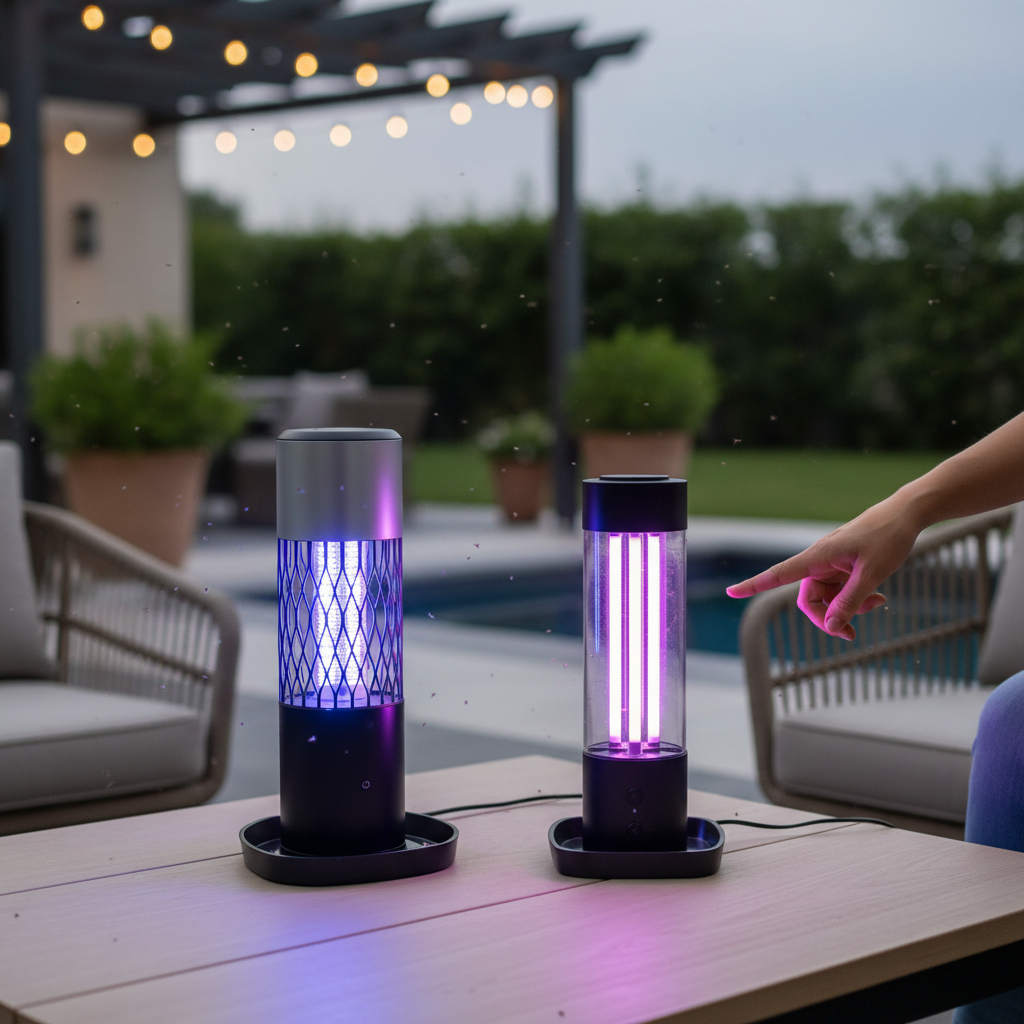
The warm embrace of summer often comes with the unwelcome buzz of mosquitoes, turning pleasant outdoor evenings into itchy battles. For many homeowners, a mosquito killer lamp seems like the perfect solution. But with various models promising coverage for “1/2 acre” or “1 acre,” how do you choose the right guardian for your outdoor sanctuary? The key lies not just in the numbers, but in understanding what these coverage claims truly mean for your specific property and how to maximize your device’s effectiveness. This guide will walk you through the essential differences, features, and strategies to ensure your family enjoys a bite-free environment.
Understanding Mosquito Killer Lamps: Beyond the Basics
A mosquito killer lamp, often referred to as a bug zapper or insect trap, is an electronic device designed to attract and eliminate flying insects. While the term “lamp” might suggest a simple light source, these devices employ a combination of scientific principles to lure pests.
Most modern mosquito killer lamps use ultraviolet (UV) light, which is highly attractive to many nocturnal insects, including certain mosquito species. Beyond just light, many effective models also incorporate other powerful attractants. Carbon dioxide (CO2), often generated by a photocatalytic reaction, mimics the CO2 exhaled by humans and animals, a primary cue for mosquitoes seeking a blood meal. Additionally, chemical lures like Octenol are frequently used to simulate human body odor and further enhance mosquito attraction. Once lured close, insects are typically either zapped by an electrified grid, quietly trapped by a powerful fan into a collection bin, or caught on sticky glue boards.
There are generally two main categories: electric grid “zappers” that electrocute insects with a satisfying “zap” sound, and “traps” which typically use a fan to pull insects into a cage where they dehydrate or are caught on a sticky surface. Understanding these mechanisms is crucial, as their effectiveness can vary based on the specific type of insect and environmental conditions.
Decoding Coverage Area Claims: 1/2 Acre vs. 1 Acre
When a manufacturer states that a mosquito killer lamp covers “1/2 acre” or “1 acre,” they are typically referring to the maximum theoretical distance the attraction mechanism can reach under ideal,实验室条件. Think of it like a Wi-Fi router’s stated range; the actual signal strength and coverage you get in your home can be significantly different due to walls and interference.
In reality, numerous factors can impact the actual effective range of your mosquito killer lamp. Wind patterns can carry attractants and mosquitoes in different directions, limiting the reach of the lamp. Competing light sources, such as porch lights, outdoor living area lights, or even moonlight, can diminish the relative attraction of the lamp’s UV light. Dense vegetation, buildings, and other physical obstacles act like barriers, blocking the light and attractants from reaching certain parts of your property. Furthermore, the local insect density and the specific species of mosquitoes prevalent in your area can also play a role in how effective a lamp feels.
This means a 1-acre lamp isn’t simply “twice as good” as a 1/2-acre one in real-world application. While a 1-acre device will generally have stronger attractants or a wider dispersal, its actual coverage will still be a fraction of its theoretical maximum if not strategically placed and if environmental factors are not considered. The larger the area, the more challenging it becomes for a single device to provide uniform protection.
Key Considerations for Different Property Sizes
Choosing the right mosquito killer lamp involves more than just matching the advertised coverage to your property size; it requires a thoughtful assessment of your specific needs and environment.
For 1/2 Acre Properties (e.g., typical suburban backyard)
|
Our Picks for the Best Mosquito killer lamp in 2026
As an Amazon Associate I earn from qualifying purchases.
|
||
| Num | Product | Action |
|---|---|---|
| 1 | Bug Zapper Outdoor Indoor, Mosquito Zapper, Electric Fly Traps IPX4 Waterproof 20W Lamp Fly Insects Traps for Patio, Garage, Backyard, Porch |

|
| 2 | GOOTOP Bug Zapper Outdoor, Mosquito Zapper, 3 Prong Plug in Electric Fly Zapper, Mosquito Killer, Fly Traps, Flying Insects Zapper Indoor Outdoor, 4200V, ABS Plastic Outer (Black) |
|
| 3 | Electric Bug Zapper Indoor/Outdoor, 4200V High Powered Mosquito Zappers Killer, Waterproof Insect Fly Swatter Zapper Mosquito Trap Outdoor, Fly Traps, Insect Killer for Home,Garden,Backyard, Camping |
|
| 4 | Buzbug 50,000 Hrs Lifespan LED Bug Zapper Indoor, 3800V High-Voltage Indoor Fly Trap, 3 LED Bulbs Enhanced Dual-Band Attraction & Energy Saving, Electric Mosquito Killer for Gnats, Fruit Flies, Moths |
|
| 5 | ASPECTEK Insect Killer, Bug Zapper, Powerful 20W Electronic Indoor Fly Zapper for Mosquito, Fungus Gnat, Asian Beetle, Moth, Flying Pests - Indoor Use, Includes 2-Pack Replacement Bulbs |
|
| 6 | Bug Zapper Light Bulb, 2 in 1 Mosquitoes Killer Lamp Led Electronic Insect & Fly Killer, Porch Light for Entryway, Doorway, Corridor, Balcony and Patio (White) |
|
| 7 | YISSVIC Bug Zapper Outdoor Indoor Waterproof Electric Mosquito Lamp Fly Zapper Killer Effective 4200V Plug in for Home Patio Office Courtyard |
|
| 8 | LUOJIBIE Bug Zapper Outdoor, Electric Mosquito Killer Fly Trap with UV/LED Light, 4200V High Voltage Waterproof Flying Insect Zapper for Backyard Patio, Indoor Mosquito Zapper for Home Garage |
|
| 9 | Electric Bug Zapper Indoor, Mosquito Zapper with 3500V Powerful Dual Grid & Remote, Fly Zapper Fly Trap Insect Killer for Patio Yard Home Kitchen Camping - Including 2 Replacement Bulbs (Black) |
|
| 10 | YISSVIC Bug Zapper Outdoor Indoor Waterproof Electric Mosquito Lamp Fly Zapper Killer Effective 4200V Plug in for Home Patio Office Courtyard (One-Light Control Bug Zapper) |
|
For properties around 1/2 acre, which often characterize typical suburban backyards, a single, well-placed mosquito killer lamp can be highly effective. The goal here is usually to create a comfortable, mosquito-free zone around your primary outdoor living spaces like patios, decks, or swimming pool areas.
Focus on strategic placement. Instead of aiming for entire property coverage, concentrate on protecting the areas where people gather most frequently. A 1/2-acre lamp is usually sufficient to draw mosquitoes away from these zones. Consider a model that combines UV light with Octenol or CO2 attractants for enhanced performance against mosquitoes. Regular maintenance, such as cleaning the grid and replacing attractants, will be critical to sustaining its effectiveness in this moderate-sized area.
For 1 Acre Properties (or larger)
When dealing with 1 acre or more, the challenge of mosquito control scales up considerably. A single 1-acre rated mosquito killer lamp may still struggle to provide uniform protection across such a large expanse, especially if the property has varied terrain, heavy landscaping, or multiple outdoor activity zones.
For these larger areas, you might consider:
- A more powerful single unit: Some lamps are rated for 1.5 acres or more, often featuring higher wattage UV bulbs and stronger attractant dispersal. An example is the Flowtron 1.5-Acre Bug Zapper, known for its powerful UV and Octenol combination.
- Multiple units: Deploying two or more 1/2-acre or even 1-acre units at strategic points can create overlapping coverage zones, offering more comprehensive protection. This approach allows you to tailor protection to different sections of your yard, such as a main patio and a separate garden area.
- Combination strategies: For extensive properties, relying solely on lamps might not be enough. Integrating lamps with other methods like eliminating standing water, using larvicides in ponds, or even periodic professional pest control services can provide the most robust defense.
The goal for larger properties shifts from localized protection to broader population reduction, requiring a more integrated and potentially multi-device approach.
Essential Features to Look for in a Mosquito Killer Lamp
Selecting an effective mosquito killer lamp involves evaluating several key features beyond just its advertised coverage area. These aspects directly influence the device’s ability to attract and eliminate mosquitoes in real-world conditions.
Attraction Methods
The effectiveness of a mosquito killer lamp largely depends on how well it attracts its targets. Look for devices that don’t just rely on UV light, as some sources suggest UV light alone might attract a broader range of insects, not just mosquitoes. The best lamps incorporate multiple attractants:
- UV Light: Essential for luring a wide array of flying insects. The quality of the UV lamp and its ability to maintain output over time are crucial.
- CO2 (Carbon Dioxide): Mimics human breath, a powerful attractant for mosquitoes. Devices using photocatalytic reactions to produce CO2 are often highly effective.
- Octenol Lures: These cartridges release a chemical attractant that simulates human and animal scents, specifically targeting female mosquitoes seeking blood meals. Many high-performing zappers, like the Black Flag 1/2-Acre Bug Zapper, include Octenol to boost mosquito capture rates. Remember that these cartridges typically need replacement every 30 days for optimal performance.
Power and Voltage
For electric grid zappers, a higher voltage generally translates to a quicker and more decisive kill. While 2000V is often considered a standard, some powerful units boast 5600V, ensuring that even larger, more resilient insects are eliminated upon contact. For fan-based traps, the strength and quietness of the fan are important for effectively drawing insects into the collection area without disturbing your peace.
Durability and Weather Resistance
Outdoor mosquito killer lamps must withstand the elements. Look for models with rugged, weatherproof polycarbonate housing that resist rust, cracking, or fading from sun, rain, and snow. UL certification often indicates a product has been rigorously tested for safety and durability in outdoor conditions.
Ease of Maintenance
Regular maintenance is key to sustaining effectiveness. Consider lamps with:
- Easy-to-clean collection bins or grids: Many zappers feature a non-clogging design and easily removable trays for quick disposal of insect remains.
- Simple attractant replacement: If using Octenol or other lures, ensure cartridges are readily available and easy to swap out.
- Long-lasting bulbs: While UV bulbs degrade over time, choosing a lamp with higher quality bulbs means less frequent replacement.
Safety
Safety is paramount, especially if you have children or pets. Ensure the device’s design prevents accidental contact with electrified grids. While generally safe, some experts raise concerns about bug zappers killing beneficial insects. Modern traps often aim to be more selective, and strategic placement can help mitigate unintended impacts. For instance, some DynaTrap models operate quietly without the loud “zap,” which might be preferred by users.
Strategic Placement for Maximum Effectiveness
No matter the advertised coverage area, the actual performance of your mosquito killer lamp hinges significantly on its placement. Strategic positioning can amplify its efficacy and ensure it protects the areas you care about most.
First, distance is key. Place your mosquito killer lamp 20 to 30 feet away from where people gather. This draws mosquitoes away from your social zones rather than attracting them closer to where you are trying to relax. Placing a zapper too close to your patio, for instance, might inadvertently bring more mosquitoes into your immediate vicinity before they are zapped.
Second, consider the height from the ground. Mosquitoes typically fly in a “fly zone” between 3 to 6 feet off the ground. Mounting your lamp at this height, perhaps on a shepherd’s hook, a wall, or hanging from a tree branch, positions it perfectly to intercept mosquitoes.
Third, location relative to breeding sites and competing lights is critical. Place the lamp near known mosquito breeding grounds, such as dense shrubs, standing water sources (if you can’t eliminate them), or the perimeter of wooded areas. This helps intercept mosquitoes before they reach your living spaces. Simultaneously, ensure the lamp is away from other bright light sources (like porch lights or decorative garden lights) that could compete with its attractant light and reduce its allure. Darker, secluded areas are often ideal.
Finally, continuous operation is recommended for best results. Many people make the mistake of unplugging their lamps to save electricity. However, many models, including DynaTrap’s 1-acre and 1/2-acre versions, cost less than two cents a day to operate. Leaving them plugged in ensures consistent mosquito reduction, especially during peak activity times at dusk and throughout the night when wind dies down and mosquitoes are most active.
Complementary Mosquito Control Strategies for Large Areas
While mosquito killer lamps are a valuable tool, especially for larger properties, achieving comprehensive mosquito control often requires a multi-pronged approach. Relying solely on a lamp, particularly for a 1-acre property, might not fully address the problem.
One of the most fundamental steps is eliminating standing water. Mosquitoes breed in stagnant water, and even small amounts can host hundreds of larvae. Regularly empty birdbaths, clear gutters, turn over buckets, and ensure proper drainage in your yard. For unavoidable standing water, such as decorative ponds or neglected areas, larvicides like mosquito dunks or bits can be highly effective. These products contain bacteria that kill mosquito larvae without harming other wildlife or pets, breaking the mosquito life cycle at its source.
For persistent or severe infestations across a large area, professional pest control services can offer targeted solutions. They can identify breeding hot spots, apply residual barrier treatments to vegetation, and implement strategies that are tailored to your specific property’s challenges, providing a layer of defense that complements your mosquito killer lamps. Combining these methods—source reduction, larval control, and adult mosquito elimination via lamps—creates a robust defense system that significantly enhances comfort in your outdoor living spaces.
Common Mistakes to Avoid When Using Mosquito Killer Lamps
Even with the best mosquito killer lamp, certain common errors can drastically reduce its effectiveness. Being aware of these pitfalls can help you get the most out of your investment.
The most frequent mistake is wrong placement. Placing a lamp too close to where people are gathering actually attracts more mosquitoes to your immediate vicinity before they are zapped. Remember, the goal is to draw them away from you. Another error is expecting instant, complete eradication. Mosquito killer lamps are designed to reduce mosquito populations over time, not eliminate every single mosquito instantly. Patience and consistent use are important.
Many users neglect maintenance. Over time, dead insects can accumulate on the electrified grid or in the collection tray, reducing the lamp’s efficiency and attracting fewer new insects. Regular cleaning is crucial. Similarly, if your lamp uses chemical attractants like Octenol, not replacing these lures regularly (typically every 30 days) means you’re missing out on a key mosquito-specific attraction mechanism.
Finally, not understanding the difference between theoretical and real-world coverage can lead to disappointment. A 1-acre lamp might not cover a full acre effectively if placed in a challenging environment. Supplementing with additional units or other control methods might be necessary for larger, complex spaces. Avoid these common mistakes to ensure your mosquito killer lamp performs at its peak.
Buying Guide for Your Mosquito Killer Lamp
Navigating the options for mosquito killer lamps requires a clear understanding of your needs and the product specifications. Use this guide to make an informed decision:
-
Determine Your Needs and Property Size:
- 1/2 Acre: If you have a typical suburban backyard, a single well-placed 1/2-acre rated lamp (especially with Octenol/CO2) might suffice to create a comfortable zone around your primary outdoor living area.
- 1 Acre or More: For larger properties, consider a more powerful single unit (e.g., 1.5-acre rated) or strategically place multiple 1/2-acre or 1-acre lamps to create overlapping coverage and cover different activity zones or perimeters.
- Mosquito Density: If your area has an exceptionally high mosquito population, you’ll likely need stronger or multiple devices, and perhaps supplementary methods.
-
Research Product Information Thoroughly:
- Attraction Methods: Prioritize lamps that use a combination of UV light with CO2 generation or Octenol lures for maximum mosquito attraction.
- Power and Voltage: For zappers, higher voltage (e.g., 2000V+) generally means more effective kills. For traps, look for quiet yet powerful fans.
- Durability: Check for weatherproof construction and materials that can withstand outdoor conditions. Look for UL certifications.
- Maintenance: Consider how easy it is to clean and if attractant refills are readily available and affordable.
-
Read Reviews and Expert Opinions: User reviews can offer practical insights into real-world performance, while expert opinions often highlight specific strengths and weaknesses of models. Be mindful that reviews on coverage can vary based on individual user environments.
-
Compare Prices and Warranty: While price shouldn’t be the sole determinant, compare costs across different retailers. Check the warranty policy to ensure your investment is protected.
-
Placement Planning: Before purchasing, mentally map out where you will place the lamp(s) in your yard, considering the guidelines for distance from living areas, height, and proximity to breeding sites.
By carefully evaluating these factors, you can select a mosquito killer lamp that effectively protects your outdoor spaces and allows you to enjoy them free from annoying bites.
Conclusion
Choosing the right mosquito killer lamp, whether for a 1/2 acre or 1 acre property, is about more than just matching numbers. It’s about understanding the nuances of theoretical versus real-world coverage, the power of combined attractants like UV light, CO2, and Octenol, and the critical role of strategic placement. For a 1/2 acre space, a single, well-chosen lamp can provide effective protection around your primary outdoor living zones. For a larger 1-acre property, you may need a more powerful single unit or a combination of multiple lamps to achieve comprehensive coverage and reduce mosquito populations across the expanse.
Remember that effective mosquito control is often a holistic endeavor, integrating your mosquito killer lamp with other practices like eliminating standing water. By making an informed choice and implementing smart strategies, you can reclaim your outdoor living spaces and enjoy the fresh air without the incessant buzz and bites. What steps will you take to ensure your outdoor haven is truly mosquito-free this season?
Frequently Asked Questions
Are mosquito killer lamps truly effective against mosquitoes?
Yes, modern mosquito killer lamps can be very effective, especially those that combine UV light with additional attractants like carbon dioxide (CO2) or Octenol. While they may attract other flying insects, the inclusion of mosquito-specific lures significantly increases their efficacy against mosquitoes, helping to reduce populations in your outdoor areas.
How many mosquito lamps do I need for 1 acre?
For a 1-acre property, a single powerful mosquito killer lamp rated for 1.5 acres or more might be sufficient, especially if strategically placed. However, for more comprehensive and uniform coverage across a large or complex yard, it is often more effective to use two or more 1/2-acre or 1-acre rated lamps, positioned to create overlapping protection zones around different activity areas.
Do mosquito killer lamps kill beneficial insects?
Yes, traditional bug zappers primarily using only UV light can unfortunately attract and kill a wide range of flying insects, including some beneficial ones like moths and beetles. However, devices that incorporate specific attractants like Octenol or CO2 are designed to be more selective, enhancing their ability to target mosquitoes specifically while still catching some other insects.
How much electricity do mosquito killer lamps use?
The electricity consumption of mosquito killer lamps is generally low. Many models, particularly those designed for 1/2 acre or 1 acre coverage, are very energy-efficient. For example, some devices can cost less than two cents a day to operate continuously, making them an affordable long-term solution for pest control.