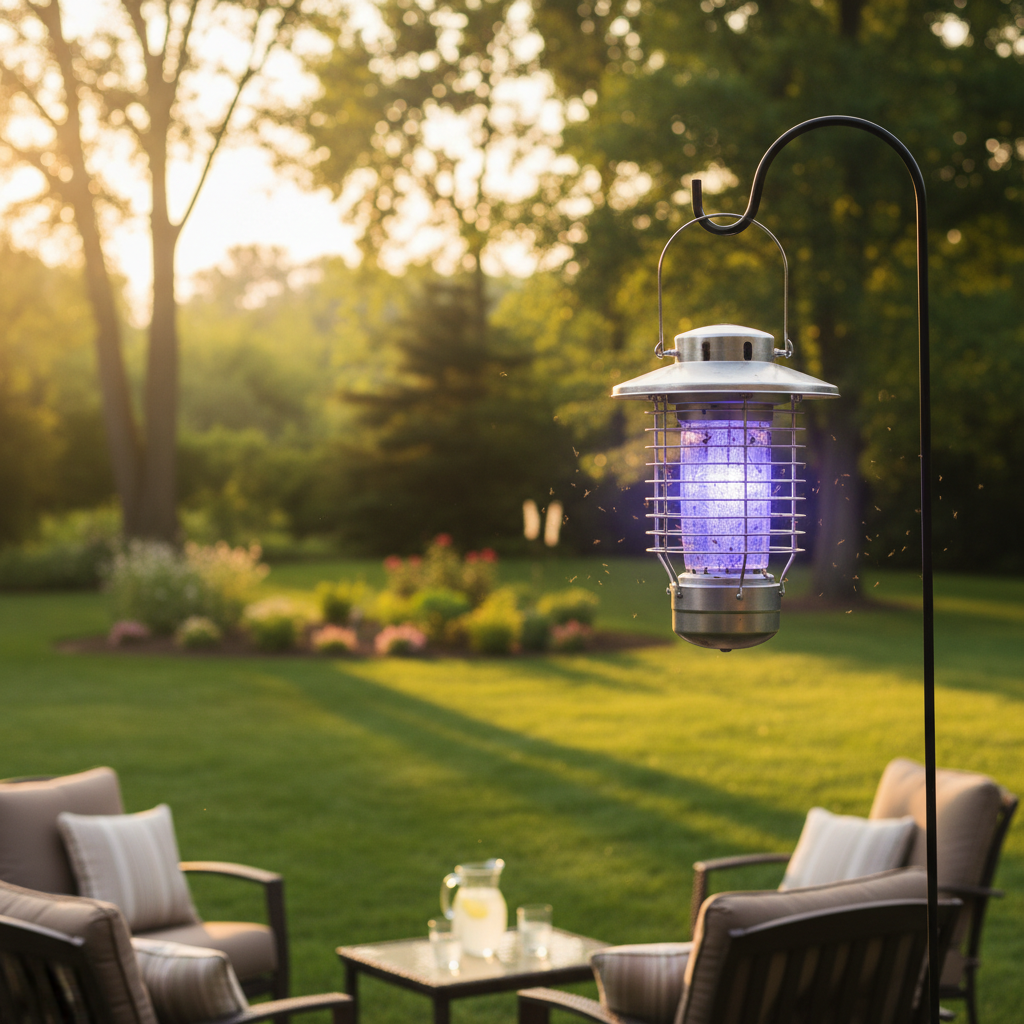
The persistent buzz of a mosquito is a universal signal that peace and comfort are about to be interrupted. More than just annoying, these tiny insects are carriers of various diseases, making effective mosquito control a necessity for health and well-being. Mosquito killer lamps offer a popular and often chemical-free solution, drawing in and neutralizing these pests. However, with a range of designs tailored for different environments, understanding the critical distinctions and safety protocols for indoor versus outdoor mosquito killer lamps is paramount to ensuring effective and safe protection for your home and family.
Understanding Mosquito Killer Lamps: The Basics
A mosquito killer lamp is a device engineered to attract and eliminate flying insects, primarily mosquitoes. These devices typically operate on a simple yet effective principle: they lure insects using various attractants, then employ a mechanism to capture or kill them.
The most common types of mosquito killer lamps include:
- UV Electric Grid Zappers: These devices emit ultraviolet (UV) light, which is highly attractive to many nocturnal insects. Once the insects fly towards the light and come into contact with an electrified grid, they are instantly electrocuted.
- Glue Traps: Utilizing UV light or other lures, these lamps draw insects to a sticky adhesive board inside the unit. The insects then become trapped on the board, leading to their demise. These are often silent in operation.
- Fan-Based Traps: These lamps combine an attractant (like UV light or CO2 mimics) with a fan that creates a suction force. Insects drawn to the trap are pulled into a collection net or container, where they eventually dehydrate and die.
Each type offers distinct advantages and considerations, particularly when placed in different environments.
Indoor vs. Outdoor Mosquito Killer Lamps: Key Differences
While both indoor and outdoor mosquito killer lamps share the common goal of pest elimination, their designs and functionalities are specifically adapted to the unique challenges of their intended environments. Recognizing these differences is crucial for selecting the right device for your needs.
Design and Durability
|
Our Picks for the Best Mosquito killer lamp in 2026
As an Amazon Associate I earn from qualifying purchases.
|
||
| Num | Product | Action |
|---|---|---|
| 1 | ASPECTEK Insect Killer, Bug Zapper, Powerful 20W Electronic Indoor Fly Zapper for Mosquito, Fungus Gnat, Asian Beetle, Moth, Flying Pests - Indoor Use, Includes 2-Pack Replacement Bulbs |

|
| 2 | LUOJIBIE Bug Zapper Outdoor, Electric Mosquito Killer Fly Trap with UV/LED Light, 4200V High Voltage Waterproof Flying Insect Zapper for Backyard Patio, Indoor Mosquito Zapper for Home Garage |
|
| 3 | GOOTOP Bug Zapper Outdoor, Mosquito Zapper, 3 Prong Plug in Electric Fly Zapper, Mosquito Killer, Fly Traps, Flying Insects Zapper Indoor Outdoor, 4200V, ABS Plastic Outer (Black) |
|
| 4 | Bug Zapper Light Bulb, 2 in 1 Mosquitoes Killer Lamp Led Electronic Insect & Fly Killer, Porch Light for Entryway, Doorway, Corridor, Balcony and Patio (White) |
|
| 5 | Electric Bug Zapper Indoor, Mosquito Zapper with 3500V Powerful Dual Grid & Remote, Fly Zapper Fly Trap Insect Killer for Patio Yard Home Kitchen Camping - Including 2 Replacement Bulbs (Black) |
|
| 6 | Electric Bug Zapper Indoor/Outdoor, 4200V High Powered Mosquito Zappers Killer, Waterproof Insect Fly Swatter Zapper Mosquito Trap Outdoor, Fly Traps, Insect Killer for Home,Garden,Backyard, Camping |
|
| 7 | Bug Zapper Outdoor Indoor, Mosquito Zapper, Electric Fly Traps IPX4 Waterproof 20W Lamp Fly Insects Traps for Patio, Garage, Backyard, Porch |
|
| 8 | YISSVIC Bug Zapper Outdoor Indoor Waterproof Electric Mosquito Lamp Fly Zapper Killer Effective 4200V Plug in for Home Patio Office Courtyard (One-Light Control Bug Zapper) |
|
| 9 | YISSVIC Bug Zapper Outdoor Indoor Waterproof Electric Mosquito Lamp Fly Zapper Killer Effective 4200V Plug in for Home Patio Office Courtyard |
|
| 10 | Buzbug 50,000 Hrs Lifespan LED Bug Zapper Indoor, 3800V High-Voltage Indoor Fly Trap, 3 LED Bulbs Enhanced Dual-Band Attraction & Energy Saving, Electric Mosquito Killer for Gnats, Fruit Flies, Moths |
|
Outdoor mosquito killer lamps are built to withstand the elements. They often feature robust, weatherproof constructions, sometimes with an IPX4+ waterproofing rating, to protect against rain, humidity, and dust. Materials like flame-retardant plastic or metal are common, ensuring durability in varying weather conditions. Conversely, indoor models typically do not require such ruggedness and focus more on aesthetics and quieter operation.
Coverage Area and Effectiveness
Outdoor zappers are designed for broader coverage, often capable of protecting areas of 2,000 square feet or more, making them ideal for patios, decks, or larger garden spaces. Their attractants, usually powerful UV-A light, are effective in open-air settings. Indoor units are generally designed for smaller, enclosed spaces like bedrooms or living rooms, where excessive coverage might be unnecessary or even detrimental. Some outdoor traps may also incorporate additional attractants like CO2, which is highly effective for drawing mosquitoes away from people but is generally not safe or recommended for indoor use.
Collection and Maintenance
A notable difference lies in how captured insects are handled. Indoor mosquito killer lamps frequently include removable catch trays at the bottom, allowing for easy and hygienic disposal of dead insects. This is essential for maintaining cleanliness within your home. Outdoor models, however, rarely feature catch trays; dead insects are typically electrocuted and simply fall to the ground, dispersing naturally into the environment.
Power Source
The power source can also vary significantly. Indoor lamps are almost exclusively mains-powered, plugging directly into a wall outlet. Outdoor units offer more versatility, with options including mains electricity, rechargeable batteries, or solar power, providing flexibility for placement in areas without immediate access to electrical outlets.
Safety First: Essential Precautions for Both Settings
Regardless of where you use them, safety should always be your top priority when operating mosquito killer lamps. Adhering to essential precautions ensures the well-being of your family, pets, and the environment.
Placement
For both indoor and outdoor lamps, placement is critical. Always keep electric models out of reach of children and pets to prevent accidental contact with the charged grid. Indoors, position lamps typically 3-6 feet off the floor, in darker areas of the room, and away from competing light sources or open windows to maximize their lure performance. Outdoors, place the lamp on the periphery of your yard, at least 2 meters away from your dining or seating areas. This strategic placement attracts mosquitoes away from where people gather, rather than drawing them directly towards you.
UV Light Exposure
Most mosquito killer lamps utilize UV-A longwave light, which is generally considered safe for humans and animals, unlike the harmful shortwave UV-B or UV-C used in tanning beds. However, prolonged, direct staring into any bright light source, including the UV light from a mosquito lamp, can cause eye strain or discomfort. It’s best to avoid looking directly into the lamp’s light for extended periods.
Electrical Hazards
Electric grid zappers, by their nature, contain a high-voltage grid. While the shock from these devices is generally not lethal to humans, direct contact can cause minor burns or a painful jolt. Look for lamps with protective grids or enclosures that prevent accidental access to the electrified components, especially if they will be in areas accessible to curious children or pets. Always ensure the device’s electrical components remain dry, and disconnect power before any maintenance or cleaning.
“Blow Out” and Hygiene
A significant safety consideration, particularly for indoor electric zappers, is the phenomenon known as “blow out.” When insects are electrocuted, their bodies can explode, scattering tiny fragments, along with any associated microbes and pathogens, into the surrounding air and onto surfaces. This poses a hygiene risk, as these particles can be inhaled or contaminate food preparation areas. For this reason, traditional electric zappers are often not recommended for indoor use, especially in kitchens, dining areas, or hospitals. In such indoor environments, glue traps or fan-based traps offer a cleaner, quieter alternative as they contain the insect remains without scattering them.
Environmental Impact
While effective, bug zappers can be indiscriminate, attracting and killing a variety of flying insects, including beneficial ones like moths or other pollinators. Responsible use involves targeting specific zones where mosquitoes are a problem, rather than deploying them widely across an entire ecosystem. Some municipalities even discourage widespread use of outdoor zappers due to concerns about harm to non-target insects.
“When choosing a mosquito killer lamp, always prioritize safety features like protective grids and proper placement. A little vigilance goes a long way in ensuring these devices protect, rather than pose a risk, to your loved ones.” – ReviewsPH.com Technical Expert
Choosing the Right Mosquito Killer Lamp: A Detailed Guide
Selecting the ideal mosquito killer lamp involves more than just picking a product off the shelf. It requires a thoughtful assessment of your specific environment, needs, and safety priorities.
Assess Your Environment and Needs
First, determine whether your primary concern is indoor or outdoor mosquito control. Consider the size of the area you want to protect. A small bedroom will have different requirements than a large patio. Also, think about the specific types of mosquitoes or other flying insects that are most prevalent in your area, as some attractants are more effective against certain species. For instance, UV-light traps may be less effective against Aedes mosquitoes, which are often active during the day.
Type of Lamp
- Electric Zappers: Best for outdoor spaces or semi-outdoor areas like garages where noise and potential insect debris are less of a concern. They offer quick, instant kills and cover larger areas. Avoid for indoor main living/food prep areas due to “blow out.”
- Glue Traps: Excellent for indoor use where silent operation and cleanliness are priorities. They are mess-free and generally safer around children and pets as there’s no electric grid. However, sticky pads require regular replacement, and they may be less effective in very large spaces.
- Fan-Based Traps: A good indoor option, offering quiet operation and containment of insects. They are generally safer than electric zappers for indoor environments.
Safety Features
Always look for lamps that incorporate robust safety features. This includes protective outer grids or enclosures that prevent direct contact with UV lights or electric components. Ensure the device has safety certifications and is made from flame-retardant materials. If purchasing an outdoor model, verify its weatherproof rating.
Power and Maintenance
Consider the power source that best suits your placement needs. For outdoor use, models with dual power options (like USB/solar) offer flexibility. Evaluate the ease of cleaning and maintenance. Lamps with removable collection trays and easily accessible components will simplify regular cleaning, which is vital for sustained effectiveness. Understand the lifespan of bulbs (for UV lamps) and the process for replacement.
Noise Levels and Aesthetics
Indoor environments benefit from quieter solutions. Glue traps and fan-based traps are typically silent, while electric zappers produce a distinct “zap” sound upon contact, which can be bothersome indoors. For home use, you might also consider the lamp’s design and how it blends with your decor.
Maximizing Effectiveness: Best Practices for Usage
Once you’ve chosen your mosquito killer lamp, proper usage is key to achieving optimal results and ensuring its longevity.
Optimal Placement Strategies
- Zoning: For outdoor spaces, place the lamp on the perimeter of the area you wish to protect, away from where people are gathered. This draws insects away from your immediate vicinity.
- Height: Indoors, position lamps at an optimal height, typically 3-6 feet off the floor, as this is where mosquitoes are most active.
- Avoiding Competing Light: Both indoors and outdoors, avoid placing the lamp near other bright light sources, which can reduce its effectiveness in attracting mosquitoes. In a room, use the lamp in darker areas.
Timing
For continuous protection, many experts recommend leaving mosquito killer lamps on 24/7, or at least from dusk until dawn when mosquito activity is highest. Consistent operation helps to break down insect breeding cycles.
Regular Cleaning and Maintenance
To ensure your lamp remains effective, regular cleaning is essential. For electric zappers, this involves clearing dead insects from the grid and collection tray. For glue traps, replace sticky pads as needed. Always disconnect the power before performing any maintenance.
Important Safety Notes for All Mosquito Killer Lamps
- Eye Protection: Avoid prolonged direct exposure to the UV light emitted by the lamp.
- Electrical Safety: Never use electrical mosquito killer lamps in wet conditions unless they are specifically rated for outdoor, waterproof use, and always ensure plugs and sockets are undercover. Disconnect power before cleaning or moving the unit.
- Flammable Materials: Keep all mosquito killer lamps away from curtains, blankets, or any other flammable objects.
- Manufacturer’s Instructions: Always read and strictly follow the manufacturer’s instructions for installation, usage, and maintenance.
- Pets: While UV-A light is generally safe, be mindful of pets. Certain repellent-based zappers may contain insecticides that can be toxic to fish or honeybees. Always check product labels.
Buying Your Mosquito Killer Lamp: Where to Purchase
When you’re ready to purchase a mosquito killer lamp, consider reputable retailers, both online and in physical stores. Major electronics stores, home improvement centers, and trusted e-commerce platforms often carry a wide selection. Look for brands with good reviews and clear warranty policies. Focus on the specifications discussed above—coverage area, power source, safety features, and ease of maintenance—to make an informed decision that aligns with your specific needs.
Conclusion
Choosing the right mosquito killer lamp, whether for indoor sanctuary or outdoor enjoyment, hinges on understanding the distinct features and safety requirements of each type. By carefully considering factors such as design, coverage, attractants, and crucial safety precautions like proper placement and maintenance, you can effectively combat mosquitoes. Making an informed choice ensures not only a more pleasant, bite-free environment but also the safety and well-being of everyone in your home.
Are you ready to transform your living spaces into truly mosquito-free zones?
Frequently Asked Questions
Are outdoor mosquito killer lamps safe for indoor use?
Generally, no. Outdoor lamps are designed for different environmental conditions and often lack features like catch trays, making them messy indoors. More critically, electric outdoor zappers can cause “blow out,” scattering insect particles and pathogens, which is a hygiene risk in enclosed living spaces. Always use indoor-specific models for indoor protection.
How often should I clean my mosquito killer lamp?
Regular cleaning is crucial for optimal performance. For electric zappers, aim to clean the grid and empty the catch tray (if applicable) at least once a week, or more frequently during peak mosquito season. Glue traps need their sticky boards replaced periodically, depending on insect activity. Always unplug the device before cleaning.
Do mosquito killer lamps attract beneficial insects?
Yes, many mosquito killer lamps, particularly those using UV light, can attract a wide range of flying insects, including beneficial ones like moths or certain pollinators. This indiscriminate killing is a reason why some environmental groups advocate for responsible and targeted use, especially for outdoor models.
What kind of mosquitoes are best attracted to UV lamps?
UV lamps are most effective at attracting nocturnal mosquito species and other flying insects. However, some common daytime biters, like Aedes mosquitoes (which transmit dengue and Zika), are less attracted to UV light alone. For these species, traps incorporating CO2 or artificial human scents tend to be more effective.
Is the UV light from mosquito lamps harmful to humans or pets?
Most mosquito killer lamps use UV-A longwave light, which is considered generally safe for humans and animals under normal operating conditions. It’s different from the more harmful UV-B and UV-C rays. However, it’s always advisable to avoid prolonged, direct staring into the light source and to place the lamp out of direct reach to prevent any potential discomfort or accidental contact with electric grids.