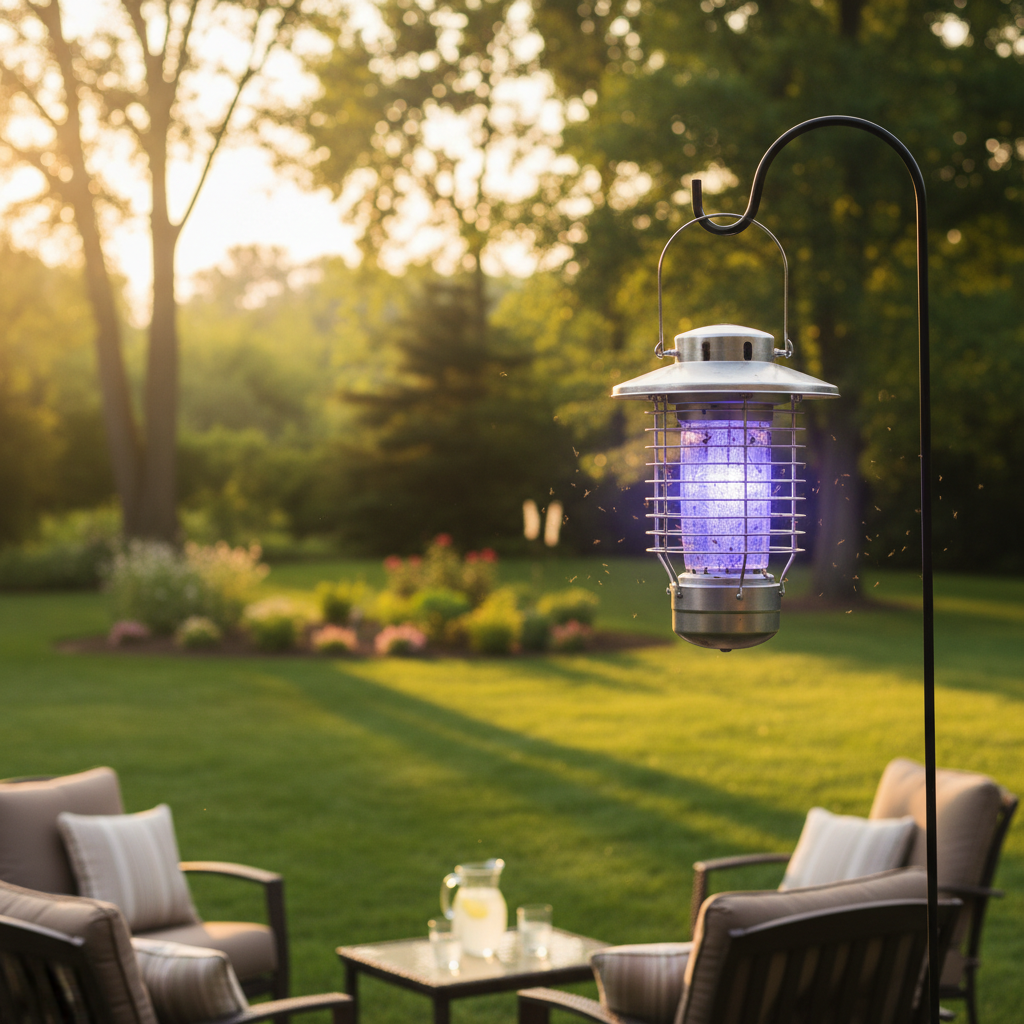
The relentless buzz and itchy bites of mosquitoes can quickly turn any peaceful moment into a nuisance, posing not only discomfort but also serious health risks. As an expert in mosquito control with over a decade of experience, I understand the paramount importance of safeguarding our homes and loved ones from these pests. This guide dives into the world of chemical-free mosquito killers, offering you insights and recommendations to choose the most effective and safe solutions for 2026.
What Are Chemical-Free Mosquito Killers?
Chemical-free mosquito killers represent a modern approach to pest control, focusing on non-toxic methods to eliminate mosquitoes without resorting to harmful insecticides or repellents. These innovative devices leverage various scientific principles to attract, trap, and eradicate mosquitoes, ensuring a safer environment for families, children, and pets. They move beyond traditional sprays and coils, which often release chemicals into the air, offering a cleaner, more sustainable alternative.
Common types include:
- UV Light Traps (Bug Zappers): These devices emit ultraviolet light to attract light-sensitive insects, including some mosquitoes, which are then electrocuted upon contact with an electrified grid.
- UV + CO2/Heat/Scent Traps: Recognizing that mosquitoes are primarily drawn to carbon dioxide (exhaled by humans), body heat, and specific scents (like octenol or lactic acid), these advanced traps combine UV light with additional attractants. They often use a fan to create a vacuum, drawing mosquitoes into a collection chamber where they dehydrate or are captured on a sticky surface.
- Sticky Traps: These traps use a combination of light and sometimes a mild attractant to lure insects onto an adhesive surface, effectively trapping them.
- Ovitraps: Designed to target female mosquitoes looking for breeding sites, ovitraps mimic natural water sources, luring them to lay eggs which are then prevented from hatching, or the adults are trapped.
Benefits of Using Chemical-Free Mosquito Killers
Opting for chemical-free mosquito killers brings a multitude of advantages, prioritizing safety and environmental responsibility without compromising effectiveness.
- Enhanced Safety: Unlike chemical sprays that can pose risks to human health, especially for children, pregnant women, and individuals with respiratory issues, chemical-free devices eliminate mosquitoes through physical means or non-toxic attractants. They are designed to be safe around pets and beneficial insects, preventing accidental exposure to harmful substances.
- Disease Prevention: Mosquitoes are notorious vectors for diseases like dengue fever, Zika, West Nile virus, and malaria. By significantly reducing mosquito populations around your home, these killers directly contribute to lowering the risk of disease transmission, protecting your family’s well-being.
- Long-Term Cost-Effectiveness: While the initial investment might seem higher for some models, chemical-free solutions often prove more economical in the long run. They reduce the continuous need to purchase disposable chemical repellents or professional spraying services. Many devices are built for durability and consume minimal power.
- Environmental Friendliness: Without relying on pesticides, these methods prevent environmental pollution. They safeguard local ecosystems, water sources, and non-target organisms, aligning with eco-conscious living.
Key Criteria for Choosing a Chemical-Free Mosquito Killer
Selecting the right chemical-free mosquito killer involves considering several factors to match your specific needs and environment.
Coverage Area
|
Our Picks for the Best Mosquito killer lamp in 2026
As an Amazon Associate I earn from qualifying purchases.
|
||
| Num | Product | Action |
|---|---|---|
| 1 | Buzbug 50,000 Hrs Lifespan LED Bug Zapper Indoor, 3800V High-Voltage Indoor Fly Trap, 3 LED Bulbs Enhanced Dual-Band Attraction & Energy Saving, Electric Mosquito Killer for Gnats, Fruit Flies, Moths |

|
| 2 | YISSVIC Bug Zapper Outdoor Indoor Waterproof Electric Mosquito Lamp Fly Zapper Killer Effective 4200V Plug in for Home Patio Office Courtyard |
|
| 3 | YISSVIC Bug Zapper Outdoor Indoor Waterproof Electric Mosquito Lamp Fly Zapper Killer Effective 4200V Plug in for Home Patio Office Courtyard (One-Light Control Bug Zapper) |
|
| 4 | Electric Bug Zapper Indoor/Outdoor, 4200V High Powered Mosquito Zappers Killer, Waterproof Insect Fly Swatter Zapper Mosquito Trap Outdoor, Fly Traps, Insect Killer for Home,Garden,Backyard, Camping |
|
| 5 | Bug Zapper Light Bulb, 2 in 1 Mosquitoes Killer Lamp Led Electronic Insect & Fly Killer, Porch Light for Entryway, Doorway, Corridor, Balcony and Patio (White) |
|
| 6 | LUOJIBIE Bug Zapper Outdoor, Electric Mosquito Killer Fly Trap with UV/LED Light, 4200V High Voltage Waterproof Flying Insect Zapper for Backyard Patio, Indoor Mosquito Zapper for Home Garage |
|
| 7 | GOOTOP Bug Zapper Outdoor, Mosquito Zapper, 3 Prong Plug in Electric Fly Zapper, Mosquito Killer, Fly Traps, Flying Insects Zapper Indoor Outdoor, 4200V, ABS Plastic Outer (Black) |
|
| 8 | ASPECTEK Insect Killer, Bug Zapper, Powerful 20W Electronic Indoor Fly Zapper for Mosquito, Fungus Gnat, Asian Beetle, Moth, Flying Pests - Indoor Use, Includes 2-Pack Replacement Bulbs |
|
| 9 | Electric Bug Zapper Indoor, Mosquito Zapper with 3500V Powerful Dual Grid & Remote, Fly Zapper Fly Trap Insect Killer for Patio Yard Home Kitchen Camping - Including 2 Replacement Bulbs (Black) |
|
| 10 | Bug Zapper Outdoor Indoor, Mosquito Zapper, Electric Fly Traps IPX4 Waterproof 20W Lamp Fly Insects Traps for Patio, Garage, Backyard, Porch |
|
Consider where you need protection. Devices are designed for either indoor or outdoor use, or sometimes both. Indoor units are typically quieter and smaller, while outdoor models often cover larger areas, making them suitable for patios, yards, or camping. Understand the specified effective range to ensure adequate coverage for your space.
Attraction Mechanism
Not all mosquitoes are attracted to the same stimuli. Basic UV zappers attract light-sensitive insects, but for mosquitoes specifically, devices that incorporate carbon dioxide (CO2) emission, heat simulation, or specific mosquito attractant lures (like octenol) are generally more effective. These mimic human respiration and body warmth, which are primary attractors for female mosquitoes.
Safety Features
Prioritize models with safety guards, especially if they use an electric grid, to prevent accidental contact by children or pets. Look for devices made from non-toxic, durable materials. Silent operation is also a key safety feature, ensuring the device doesn’t disturb sleep or daily activities.
Power & Efficiency
Evaluate the power source (plug-in, battery-operated, solar-powered) and energy consumption. Battery-powered or solar options offer greater portability for outdoor or remote use, while plug-in models ensure continuous operation. Efficient models will provide effective mosquito control without significantly impacting your electricity bill.
Durability & Maintenance
Invest in products from reputable brands known for their quality and longevity. Consider the construction materials – robust plastics or metals are preferable for outdoor use. Ease of cleaning is also crucial; look for designs with removable collection trays and simple cleaning instructions to maintain optimal performance.
Comparing Popular Types of Chemical-Free Mosquito Killers
Understanding the differences between types can help you make an informed decision.
| Type of Killer | Mechanism | Coverage | Pros | Cons |
|---|---|---|---|---|
| UV Light Zapper | Attracts with UV light, electrocutes on contact. | Small to medium indoor/outdoor areas. | Immediate kill visible, no chemicals, relatively low cost. | Less effective for mosquitoes specifically (more attracted to other insects), can be noisy (zapping sound), electrocuted insect parts can scatter. |
| UV + CO2/Heat/Suction Trap | Combines UV light with CO2/heat/scent lures; uses a fan to trap. | Medium to large indoor/outdoor areas. | Highly effective for mosquitoes, silent operation (suction), collects insects in a tray for hygienic disposal, targets mosquito’s natural attractants. | Can be more expensive, requires attractant refills (for CO2/lures), effectiveness can be influenced by ambient air currents. |
| Sticky Trap | Attracts with light/lure, traps on an adhesive surface. | Small indoor areas, specific zones. | Silent, clean (no scattered parts), non-toxic. | Requires regular replacement of sticky boards, limited range, not ideal for heavy infestations. |
| Ovitrap | Mimics breeding sites, traps egg-laying females or prevents egg hatching. | Targeted outdoor areas, effective for population control. | Targets the breeding cycle, reduces future generations, eco-friendly. | Not an immediate “killer” for existing adults, requires strategic placement and patience, primarily for outdoor use. |
Top Chemical-Free Mosquito Killers for 2026
For 2026, the focus remains on devices that combine multiple attraction methods to maximize effectiveness against mosquitoes while maintaining a chemical-free profile.
-
Advanced Multi-Attractant Traps (e.g., Dynatrap-style devices):
These units typically integrate UV light, CO2 production (often via titanium dioxide coating interacting with UV), and a thermal element mimicking body heat. Some also include octenol lures. They use a powerful, quiet fan to draw mosquitoes into a screened chamber where they dehydrate.- Pros: Highly effective for mosquitoes and other flying insects, silent operation, wide coverage for both indoor and outdoor spaces.
- Cons: Higher initial cost, requires periodic cleaning of the collection basket, and some models might need attractant refills.
-
Robust Outdoor Zappers with Enhanced Lures (e.g., RYOBI-style solutions):
Moving beyond simple UV zappers, these devices often combine UV-LED light technology with an electrified grid and may feature additional attractants or a stronger design for larger outdoor spaces. Battery-powered options offer exceptional portability.- Pros: Effective for a broad range of flying insects, high capacity for elimination, portable options for flexible placement.
- Cons: Can produce a distinct “zap” sound, less specific to mosquitoes unless enhanced with CO2/octenol, requires power source (outlet or rechargeable battery).
-
Discreet Indoor Sticky Traps (e.g., Zevo-style devices):
These traps prioritize quiet, aesthetic integration into indoor environments. They use a proprietary light spectrum and a sticky glue board to capture common indoor flying insects, including mosquitoes.- Pros: Silent, unobtrusive design, easy to set up and replace sticky cartridges, safe for indoor use around people and pets.
- Cons: Limited range, primarily for indoor use, requires ongoing purchase of refill glue boards.
-
Targeted Ovitraps for Population Control (e.g., Catchmaster Oasis):
Focusing on disrupting the mosquito breeding cycle, ovitraps are strategically placed outdoors to attract female mosquitoes seeking water to lay eggs. These traps either capture the females or prevent the larvae from developing, effectively reducing the overall mosquito population over time.- Pros: Highly effective for long-term population reduction, completely silent and passive, no power required, specifically targets disease-carrying females.
- Cons: Does not provide immediate relief from adult mosquitoes, requires patient, consistent use, best as part of a broader mosquito control strategy.
How to Effectively Use Your Chemical-Free Mosquito Killer
To maximize the effectiveness of your chemical-free mosquito killer, strategic placement and consistent maintenance are key.
- Optimal Placement:
- Indoors: Place traps in darker areas, away from competing light sources (e.g., windows, TVs). Mosquitoes are often attracted to human presence, so placing the device slightly away from where people gather can draw them towards the trap instead.
- Outdoors: Position traps near potential mosquito breeding grounds (e.g., stagnant water, dense foliage) but also slightly away from human activity zones. Placing them too close to people might attract more mosquitoes to your immediate area initially. Ensure outdoor units are protected from rain.
- Timing is Everything: Mosquitoes are most active during dusk and dawn. Operate your killer lamp primarily during these hours and throughout the night for best results. Turning it on a few hours before you plan to use an outdoor space can help clear the area.
- Regular Cleaning and Maintenance: For suction traps and zappers, regularly empty the collection tray or grid of dead insects. For sticky traps, replace the glue boards when full. For ovitraps, follow manufacturer instructions for water and lure replacement. Clean the light source to ensure maximum attraction power.
- Safety First: Always follow the manufacturer’s instructions for installation and use. For devices with electric grids, ensure they are out of reach of children and pets.
Where to Buy Reliable Chemical-Free Mosquito Killers
Finding reputable retailers is crucial for ensuring you purchase a high-quality and effective chemical-free mosquito killer.
- Online Marketplaces: Websites like Amazon, official brand websites, and specialized pest control e-commerce sites offer a vast selection, often with customer reviews and detailed product specifications.
- Home Improvement Stores: Large retailers typically carry a range of indoor and outdoor mosquito control devices. This allows for in-person inspection and immediate purchase.
- Specialty Stores: Dedicated pest control supply stores or garden centers may offer a more curated selection and expert advice.
- Check for Warranty and Support: Always prioritize sellers that provide clear warranty policies and reliable customer service. Reading user reviews can also offer valuable insights into product performance and retailer reliability.
Important Considerations When Using Chemical-Free Mosquito Killers
While highly effective, chemical-free mosquito killers are most successful when part of a broader strategy.
- Holistic Approach: No single solution is a silver bullet. Combine your killer lamp with other preventive measures such as eliminating standing water (breeding sites), using screens on windows and doors, and wearing protective clothing during peak mosquito hours.
- Patience and Consistency: Traps that target breeding cycles (like ovitraps) require patience as their impact is gradual. Consistent use of any device is more effective than sporadic operation.
- Read Instructions Carefully: Every device has unique features and operational guidelines. Thoroughly read the manual before use to ensure correct setup and maintenance.
- Certifications and Standards: Look for products that meet relevant safety and environmental standards, indicating a commitment to quality and consumer well-being.
Buying Guide: Making an Informed Decision
Navigating the options for chemical-free mosquito killers can be daunting, but a structured approach simplifies the process.
- Identify Your Needs: Determine the size of the area you need to protect (small room, large patio, entire yard) and the typical mosquito activity levels. This will help narrow down suitable types and power levels.
- Research Product Information: Dive deep into product descriptions, focusing on the attraction mechanism, coverage area, power source, and special features. Compare models side-by-side.
- Scrutinize Reviews and Ratings: Real-world user experiences offer invaluable insights into a product’s effectiveness, durability, and ease of use. Pay attention to both positive and negative feedback.
- Compare Price vs. Value: The cheapest option isn’t always the best. Consider the long-term value, including energy efficiency, durability, and the cost of any necessary refills or replacement parts.
- Prioritize Safety and Ease of Use: Choose a device that integrates seamlessly into your lifestyle, is easy to operate, and provides peace of mind regarding the safety of your family and pets.
Conclusion
In 2026, embracing chemical-free mosquito killers is a powerful step towards creating a healthier, more comfortable living environment. By understanding the various technologies available, focusing on key selection criteria, and implementing effective usage strategies, you can confidently choose a solution that protects your family from mosquitoes without the use of harmful chemicals. These innovative devices offer a blend of effectiveness, safety, and environmental responsibility, making them an indispensable tool in your pest control arsenal.
Are you ready to reclaim your home and outdoor spaces from mosquitoes this year?
Frequently Asked Questions
Do chemical-free mosquito killers actually work?
Yes, many chemical-free mosquito killers are highly effective, especially those that combine multiple attractants like UV light, CO2, heat, and specific lures. Their effectiveness can vary by type, with advanced traps often outperforming simple UV zappers for mosquito-specific control.
Are mosquito killer lamps safe for babies and pets?
Generally, chemical-free mosquito killer lamps are designed to be safe for babies and pets as they do not emit harmful chemicals. However, for devices with electric grids, ensure they are placed out of reach to prevent accidental contact. Always check specific product safety certifications.
How often should I clean my mosquito trap?
The frequency of cleaning depends on the specific model and the level of mosquito activity. For most traps with collection trays or sticky boards, it’s recommended to clean or replace them weekly or whenever they appear full to maintain optimal performance.
What’s the difference between a mosquito zapper and a mosquito trap?
A mosquito zapper typically uses UV light and an electric grid to instantly electrocute any insect that comes into contact. A mosquito trap often uses a combination of light, CO2, heat, or lures and a fan to draw mosquitoes into a collection chamber where they are captured or dehydrate, usually without a “zapping” sound. Traps are generally more effective for mosquitoes specifically.
Can I use chemical-free mosquito killers outdoors?
Absolutely. Many chemical-free mosquito killers are specifically designed for outdoor use, offering robust construction and larger coverage areas suitable for patios, decks, and yards. Look for models explicitly labeled for outdoor use and ensure they are weather-resistant if exposed to the elements.