Few things disrupt the joy of warm weather quite like a swarm of mosquitoes. These relentless pests don’t just leave itchy bites; they can also carry diseases, turning pleasant evenings into a battle against the buzz. While commercial solutions abound, many seek natural, cost-effective, and environmentally friendly alternatives. This is where the ingenious DIY yeast-based mosquito attractant comes into play, harnessing a simple biological process to draw mosquitoes in.
This comprehensive guide, informed by over a decade of hands-on experience in pest control, will walk you through everything you need to know about creating and optimizing your own yeast mosquito trap. From understanding the underlying science to a step-by-step construction guide and crucial tips for maximum effectiveness, we’ll equip you to defend your home and garden against these unwelcome visitors.
Understanding the Science: How Yeast Attracts Mosquitoes
At its core, a DIY yeast mosquito attractant leverages a fundamental biological process: fermentation. When yeast, a single-celled microorganism, is combined with sugar and water, it begins to metabolize the sugar. This metabolic process releases several byproducts, most notably carbon dioxide (CO2) and ethyl alcohol.
Mosquitoes, particularly the females seeking a blood meal, are incredibly sensitive to carbon dioxide. They use CO2 as a primary cue to locate potential hosts, including humans and animals, whose breath contains a concentrated plume of this gas. By generating a steady stream of CO2, your yeast mixture mimics the presence of a living creature, acting as an irresistible beacon for mosquitoes.
Beyond CO2, yeast fermentation also produces a cocktail of other volatile organic compounds. Research suggests that these additional volatiles can further enhance the attractiveness of the CO2 to various mosquito species, making the homemade trap even more potent than pure CO2 alone. The warmth generated by the exothermic fermentation process can also contribute to the trap’s appeal, as mosquitoes are also drawn to heat.
Benefits of DIY Yeast Mosquito Attractants
Opting for a homemade yeast mosquito attractant offers a range of compelling advantages, distinguishing it from many conventional pest control methods.
First, these traps are remarkably cost-effective. The primary ingredients—sugar, yeast, and water—are inexpensive and readily available in most households or local grocery stores. The trap itself often repurposes common items like plastic bottles, minimizing waste and eliminating the need for specialized equipment.
Second, yeast traps are an environmentally friendly and non-toxic solution. Unlike chemical insecticides or repellents that can pose risks to humans, pets, and beneficial insects, the yeast mixture is completely natural and safe. This makes it an ideal choice for families with children, pets, or anyone concerned about chemical exposure in their living spaces.
Third, the simplicity of construction is a major draw. As we’ll detail in the step-by-step guide, creating one of these traps requires minimal effort and time, often taking less than 15 minutes. This accessibility empowers homeowners to take immediate action against mosquito infestations without needing professional assistance.
Finally, when strategically placed as part of a broader mosquito management plan, these attractants can effectively reduce local mosquito populations. By luring mosquitoes into a trap, you prevent them from biting and, crucially, from breeding, helping to break their life cycle. This method complements other control measures, contributing to a more comfortable and safer outdoor environment.
Essential Ingredients and Materials for Your Yeast Trap
Creating an effective DIY yeast mosquito trap requires just a few basic, easily accessible items. The beauty of this method lies in its simplicity and reliance on common household staples.
The Basic Recipe
The core of your mosquito attractant is a fermenting sugar-yeast solution.
- Water: Approximately 1 to 1.5 cups (250-350 ml) of warm water. The temperature is crucial; it should be warm enough to dissolve sugar and activate the yeast but not so hot that it kills the yeast. Aim for a temperature between 120-130°F (49-54°C).
- Sugar: About 1/4 cup (50 grams) of brown or white sugar. Sugar provides the food source for the yeast, fueling the fermentation process and CO2 production. Brown sugar is often preferred due to its molasses content, which some believe aids yeast activity and may provide additional attractants.
- Yeast: 1/3 teaspoon to 1 gram (about half a standard packet) of active dry yeast. For larger 2-liter bottles or increased CO2 output, you might use up to 1 tablespoon. Active dry yeast is readily available in the baking aisle.
|
Our Picks for the Best Mosquito killer lamp in 2026
As an Amazon Associate I earn from qualifying purchases.
|
||
| Num | Product | Action |
|---|---|---|
| 1 | Electric Bug Zapper Indoor, Mosquito Zapper with 3500V Powerful Dual Grid & Remote, Fly Zapper Fly Trap Insect Killer for Patio Yard Home Kitchen Camping - Including 2 Replacement Bulbs (Black) |

|
| 2 | Electric Bug Zapper Indoor/Outdoor, 4200V High Powered Mosquito Zappers Killer, Waterproof Insect Fly Swatter Zapper Mosquito Trap Outdoor, Fly Traps, Insect Killer for Home,Garden,Backyard, Camping |
|
| 3 | LUOJIBIE Bug Zapper Outdoor, Electric Mosquito Killer Fly Trap with UV/LED Light, 4200V High Voltage Waterproof Flying Insect Zapper for Backyard Patio, Indoor Mosquito Zapper for Home Garage |
|
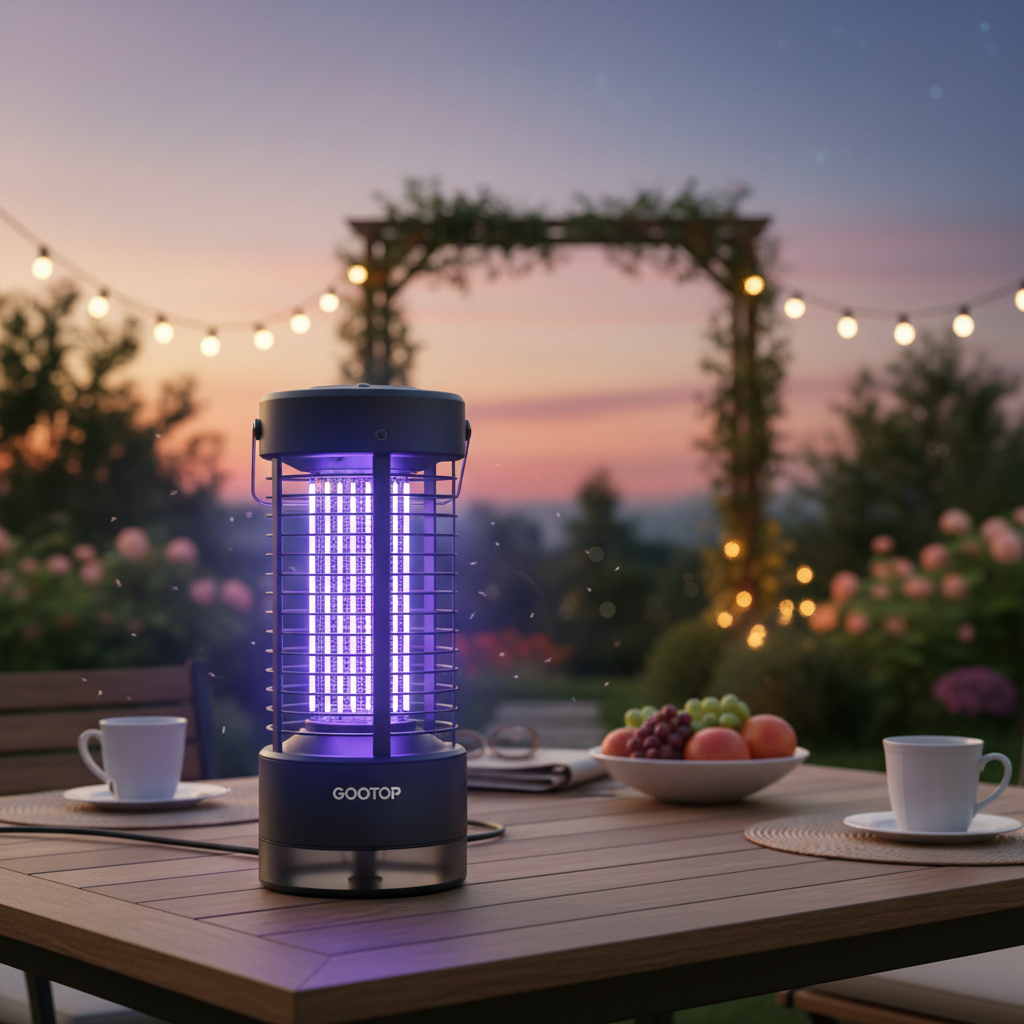
| 4 | GOOTOP Bug Zapper Outdoor, Mosquito Zapper, 3 Prong Plug in Electric Fly Zapper, Mosquito Killer, Fly Traps, Flying Insects Zapper Indoor Outdoor, 4200V, ABS Plastic Outer (Black) |
|
| 5 | Buzbug 50,000 Hrs Lifespan LED Bug Zapper Indoor, 3800V High-Voltage Indoor Fly Trap, 3 LED Bulbs Enhanced Dual-Band Attraction & Energy Saving, Electric Mosquito Killer for Gnats, Fruit Flies, Moths |
|
| 6 | ASPECTEK Insect Killer, Bug Zapper, Powerful 20W Electronic Indoor Fly Zapper for Mosquito, Fungus Gnat, Asian Beetle, Moth, Flying Pests - Indoor Use, Includes 2-Pack Replacement Bulbs |
|
| 7 | YISSVIC Bug Zapper Outdoor Indoor Waterproof Electric Mosquito Lamp Fly Zapper Killer Effective 4200V Plug in for Home Patio Office Courtyard (One-Light Control Bug Zapper) |
|
| 8 | YISSVIC Bug Zapper Outdoor Indoor Waterproof Electric Mosquito Lamp Fly Zapper Killer Effective 4200V Plug in for Home Patio Office Courtyard |
|
| 9 | Bug Zapper Outdoor Indoor, Mosquito Zapper, Electric Fly Traps IPX4 Waterproof 20W Lamp Fly Insects Traps for Patio, Garage, Backyard, Porch |
|
| 10 | Bug Zapper Light Bulb, 2 in 1 Mosquitoes Killer Lamp Led Electronic Insect & Fly Killer, Porch Light for Entryway, Doorway, Corridor, Balcony and Patio (White) |
|
Trap Construction Materials
To house your attractive solution and effectively trap mosquitoes, you’ll need:
- Plastic Bottle: A clear plastic soda bottle, typically 2-liter size, works best. Its shape allows for easy cutting and inversion to create a funnel.
- Scissors or Box Cutter: For safely cutting the plastic bottle. Exercise caution as cut edges can be sharp.
- Tape: Duct, scotch, or electrical tape to secure the funnel in place and seal any gaps.
- Dark Covering (Optional but Recommended): Black paper, dark cloth, or paint. Mosquitoes are often attracted to dark colors, so wrapping the bottle helps enhance its appeal and protects the yeast from direct sunlight, which can hinder fermentation.
Optional Enhancements
While not strictly necessary, some additions can improve trap efficacy:
- Dish Soap: Adding a few drops of dish soap to the solution reduces the surface tension of the water. This causes mosquitoes that land on the liquid to sink and drown, ensuring they don’t escape after being attracted.
Step-by-Step Guide: Building Your Yeast Mosquito Trap
Constructing your DIY yeast mosquito trap is a straightforward process that takes just a few minutes. Follow these steps carefully to ensure your trap is both effective and safely assembled.
Preparing the Bottle
- Cut the Bottle: Take your empty plastic bottle and a marker. Draw a line around the circumference, roughly one-third of the way down from the top (just below the neck where it starts to widen). Using a sharp pair of scissors or a box cutter, carefully cut the bottle along this line. You will now have two main pieces: a top section with the bottleneck and a larger bottom section. Handle the cut edges with care, as they can be sharp.
Mixing the Solution
- Heat Water and Dissolve Sugar: In a separate heat-proof container, heat 1 to 1.5 cups of water until it’s warm but not boiling. The ideal temperature is between 120-130°F (49-54°C). Add 1/4 cup of sugar (brown or white) to the warm water and stir until it’s completely dissolved.
- Cool the Solution: Allow the sugar water mixture to cool down significantly. It should be warm to the touch but not hot. If the water is too hot, it will kill the yeast, preventing fermentation.
- Add Yeast: Once the sugar solution has cooled, pour it into the bottom section of your cut plastic bottle. Then, gently sprinkle 1/3 teaspoon to 1 gram (or up to 1 tablespoon for a 2-liter bottle) of active dry yeast onto the surface of the sugar water. Do not stir. The yeast will gradually activate and begin to ferment on its own. If desired, add a few drops of dish soap at this stage to break the water’s surface tension.
Assembling the Trap
- Create the Funnel: Take the top section of the plastic bottle (with the bottleneck) and invert it, placing it upside down into the bottom section containing the yeast-sugar solution. The bottleneck should point downwards, creating a funnel into the liquid. Ensure there’s a small gap between the funnel opening and the liquid to allow mosquitoes to enter.
- Seal the Edges: Use tape (duct tape works well) to firmly secure the inverted top section to the bottom section. This creates a sealed unit, preventing mosquitoes from escaping through the sides and ensuring the CO2 plume emanates primarily from the funnel’s opening.
- Wrap with Dark Material (Optional): Wrap the entire exterior of the assembled trap with black paper, dark cloth, or paint it black. Leave the funnel opening exposed. This step is beneficial because mosquitoes are naturally drawn to darker colors, enhancing the trap’s appeal.
Optimizing Trap Placement
- Strategic Location: Place your DIY yeast mosquito trap outdoors, in areas away from where people gather. Mosquitoes will be attracted to the CO2, so you want to draw them away from your family and guests. Ideal locations include shaded, still areas near mosquito breeding grounds (like standing water) but not directly next to them. Avoid windy spots, as strong breezes can disperse the CO2 too quickly, reducing the trap’s effectiveness.
- Height: Position the trap relatively low to the ground, typically between ankle and knee height, as this is often where mosquitoes fly.
Maximizing Effectiveness and Maintenance
To ensure your DIY yeast mosquito trap is performing at its best, regular attention to its placement and upkeep is crucial.
Placement Considerations:
- Away from People: The primary goal is to attract mosquitoes away from you and your family. Place traps at the perimeter of your yard, especially near dense foliage, stagnant water sources (if you can’t eliminate them), or other known mosquito hotspots.
- Shady, Still Areas: Fermentation thrives in moderate temperatures, and CO2 dispersal is most effective in still air. Placing the trap in a shaded area prevents the mixture from overheating in direct sunlight, which can kill the yeast. Avoid windy locations where the CO2 plume will dissipate too quickly.
- Multiple Traps: For larger outdoor spaces or more significant mosquito problems, deploying several traps can cover a wider area and enhance overall effectiveness.
Refilling Frequency:
- Every 1-2 Weeks: The yeast solution’s effectiveness in producing CO2 will naturally diminish over time. Most sources recommend changing the sugar-yeast mixture every one to two weeks for continuous, optimal performance. You’ll notice less bubbling or a decrease in trapped mosquitoes as the solution ages.
- Observation is Key: If you observe that the trap is filling up rapidly or if mosquito activity in your area increases despite the trap being present, it might be time for a refill.
Troubleshooting:
- Lack of Activity: If your trap isn’t attracting mosquitoes, check the water temperature used during mixing. Water that is too hot will kill the yeast, preventing CO2 production. If it’s too cool, the yeast may not activate fully. Also, ensure the yeast is fresh and active.
- Other Insects Trapped: While designed for mosquitoes, these traps may occasionally attract other small insects like fruit flies. This is a common occurrence and usually indicates the trap is generating CO2.
- Not a Complete Solution: Remember, DIY yeast traps are excellent for attracting and trapping mosquitoes in a localized area, but they are unlikely to clear your entire property of every mosquito. They are best used as part of an integrated pest management strategy that also includes eliminating standing water and using personal repellents when necessary.
By understanding these nuances and diligently maintaining your traps, you can significantly enhance their ability to attract and reduce mosquito populations around your home.
Comparing DIY Yeast Traps to Other Solutions
When considering mosquito control, DIY yeast traps stand alongside various commercial and traditional methods, each with its own advantages and limitations.
Commercial CO2 Traps: Many professional mosquito traps utilize propane or specialized cartridges to generate CO2, mimicking human breath, much like the yeast trap. These devices are often more powerful, covering larger areas and consistently producing higher volumes of CO2. However, they come with a significant upfront cost, ongoing expenses for propane or attractant refills, and can be bulky or require electricity. DIY yeast traps offer a far more economical and accessible alternative for smaller areas or for those seeking a chemical-free approach.
UV Light Traps (Bug Zappers): These devices use ultraviolet light to attract insects, often combined with an electric grid to “zap” them. While popular, studies show that UV light traps are generally not very effective at attracting biting mosquitoes. They tend to kill a disproportionate number of beneficial insects, disrupting the local ecosystem, and rarely put a significant dent in mosquito populations. Yeast traps, on the other hand, specifically target CO2-seeking mosquitoes, making them a more focused attractant.
Pesticide Sprays/Foggers: Chemical sprays offer immediate, broad-spectrum mosquito reduction. However, they introduce synthetic chemicals into the environment, posing potential risks to human health, pets, and non-target insects like bees and butterflies. The effects are temporary, requiring repeated applications. DIY yeast traps offer a completely non-toxic and continuous attraction method without these environmental concerns.
Repellents (DEET, Picaridin, Citronella): Personal repellents are excellent for protecting individuals, but they don’t reduce the overall mosquito population in an area. Citronella candles, while pleasant-smelling, have limited effectiveness in repelling mosquitoes over a wide space. Yeast traps, conversely, aim to draw mosquitoes away from people and trap them, contributing to a reduction in local numbers.
In summary, while commercial solutions might offer more powerful or widespread control, DIY yeast traps shine as a low-cost, eco-friendly, and effective supplement. They provide a targeted attractant based on a mosquito’s natural behavior without the environmental impact or expense of many alternatives, making them an excellent choice for conscious homeowners.
Important Safety and Usage Considerations
While DIY yeast mosquito traps are generally considered safe and eco-friendly, it’s essential to keep a few key considerations in mind to ensure a positive and secure experience.
Firstly, when constructing the trap, exercise caution with sharp edges. Cutting plastic bottles can create jagged surfaces. Always use appropriate tools carefully and consider sanding down or covering any sharp edges with tape once assembled, especially if the trap will be placed in an accessible area.
Secondly, although the yeast solution is non-toxic, it’s always wise to keep the traps out of reach of young children and curious pets. While accidental ingestion of the sugar-yeast mixture is unlikely to be harmful, it’s best to prevent it to avoid any potential mess or mild stomach upset.
Thirdly, understand that a DIY yeast trap is an attractant and a localized trapping device, not a comprehensive disease prevention method. While it helps reduce the number of biting mosquitoes in a specific area, it cannot eliminate the risk of mosquito-borne diseases entirely. For areas with high disease prevalence, it should be used in conjunction with other recommended public health measures, such as eliminating all standing water where mosquitoes breed and using EPA-approved personal repellents.
Finally, remember that these traps are most effective when refreshed regularly. A stagnant, old solution might not produce enough CO2 to be a strong attractant. Regular monitoring and maintenance, typically every one to two weeks, will ensure the trap remains a viable part of your mosquito management strategy. By adhering to these guidelines, you can safely and effectively utilize your homemade yeast mosquito traps.
How to Buy Ingredients and Get Started (Buying Guide)
Getting started with your DIY yeast mosquito trap is incredibly simple, requiring just a few common items you likely already have or can easily acquire. Think of this as your practical checklist to begin your journey toward a more mosquito-free outdoor space.
1. Assess Your Needs and Location:
- Area Size: For a small patio or balcony, one or two traps might suffice. For a larger yard, consider deploying multiple traps strategically around the perimeter.
- Mosquito Activity: If you live in an area with very high mosquito populations, you might need to be more diligent with trap placement and refills.
- Budget: The beauty of this DIY method is its minimal cost. Your main expenses will be sugar and yeast, which are very affordable.
2. Gather Your Materials:
- Plastic Bottles: Look for empty 2-liter soda bottles. Ask friends or family if they have any saved, or simply pick up a couple during your next grocery run. Remember, the clearer the better for initial visual appeal, though wrapping it dark is recommended.
- Sugar: Any white or brown sugar will work. Brown sugar is often cited as slightly better for yeast activation.
- Active Dry Yeast: Found in the baking aisle of any supermarket. It usually comes in small packets or larger jars. Buy active dry yeast for the best results.
- Water: Tap water is perfectly fine. Just ensure it’s warmed to the correct temperature.
- Tools: You’ll need scissors or a box cutter, and some tape (duct tape is ideal for sealing).
- Dark Covering (Optional): Black construction paper, an old dark t-shirt, or even black spray paint can be used to wrap the bottle.
3. Prepare for Assembly:
- Cleanliness: Ensure your plastic bottles are thoroughly rinsed and dry before cutting.
- Safety First: If using a box cutter, always cut on a stable surface away from your body. Consider wearing gloves to protect your hands from sharp plastic edges.
4. Consider Replenishment:
- Remember that the yeast solution will need to be replaced every 1-2 weeks. Factor in purchasing enough sugar and yeast for ongoing use throughout mosquito season.
By following these simple guidelines, you’ll be well-prepared to assemble your first batch of DIY yeast mosquito traps and begin reclaiming your outdoor living areas. It’s a low-barrier, high-impact solution for attracting these unwelcome guests.
Conclusion
Embracing the DIY yeast mosquito trap is a simple yet powerful step towards reclaiming your outdoor spaces from these annoying pests. By leveraging the natural attraction of carbon dioxide produced through yeast fermentation, you create an effective, non-toxic, and incredibly affordable solution. This method not only helps reduce mosquito populations in specific areas but also empowers you with a sustainable and environmentally conscious approach to pest control.
Remember, consistency in refilling your traps and strategic placement are key to maximizing their effectiveness. While not a singular cure for every mosquito challenge, these homemade attractants, when integrated into a broader pest management strategy, can significantly enhance your comfort and peace of mind outdoors.
Why not give it a try and experience the satisfaction of a naturally managed mosquito environment? What steps will you take this week to create your first DIY yeast mosquito trap?
Frequently Asked Questions
How long does a yeast mosquito trap last?
A DIY yeast mosquito trap typically remains effective for producing CO2 for about 1 to 2 weeks. After this period, the yeast activity diminishes, and the solution should be replaced with a fresh batch to maintain optimal mosquito attraction.
Can I use any type of sugar or yeast for my trap?
Yes, most types of sugar (white granulated sugar, brown sugar, or even powdered sugar) and active dry yeast will work. Brown sugar is often suggested as it may provide additional nutrients for the yeast, potentially leading to more vigorous fermentation.
Where is the best place to put a yeast mosquito trap?
Place the trap outdoors in a shaded, still area, preferably away from where people are congregating. Ideal spots include the perimeter of your yard, near dense foliage, or close to standing water sources (if unavoidable) to draw mosquitoes away from your main activity areas.
Are these traps safe for pets and children?
Yes, DIY yeast mosquito traps are considered very safe as they use non-toxic, food-grade ingredients. However, it’s always a good practice to place them out of reach of young children and pets to prevent accidental spills or curiosity.
Why aren’t my DIY yeast traps working?
Common reasons for a trap not working include using water that is too hot (killing the yeast), yeast that is old or inactive, or incorrect placement in a windy area where the CO2 disperses too quickly. Ensure your water temperature is appropriate and your yeast is fresh.
Do yeast traps attract other insects besides mosquitoes?
While primarily designed to attract CO2-seeking mosquitoes, yeast traps can sometimes attract other small insects like fruit flies. This is generally harmless and indicates that the fermentation process is successfully generating attractants.