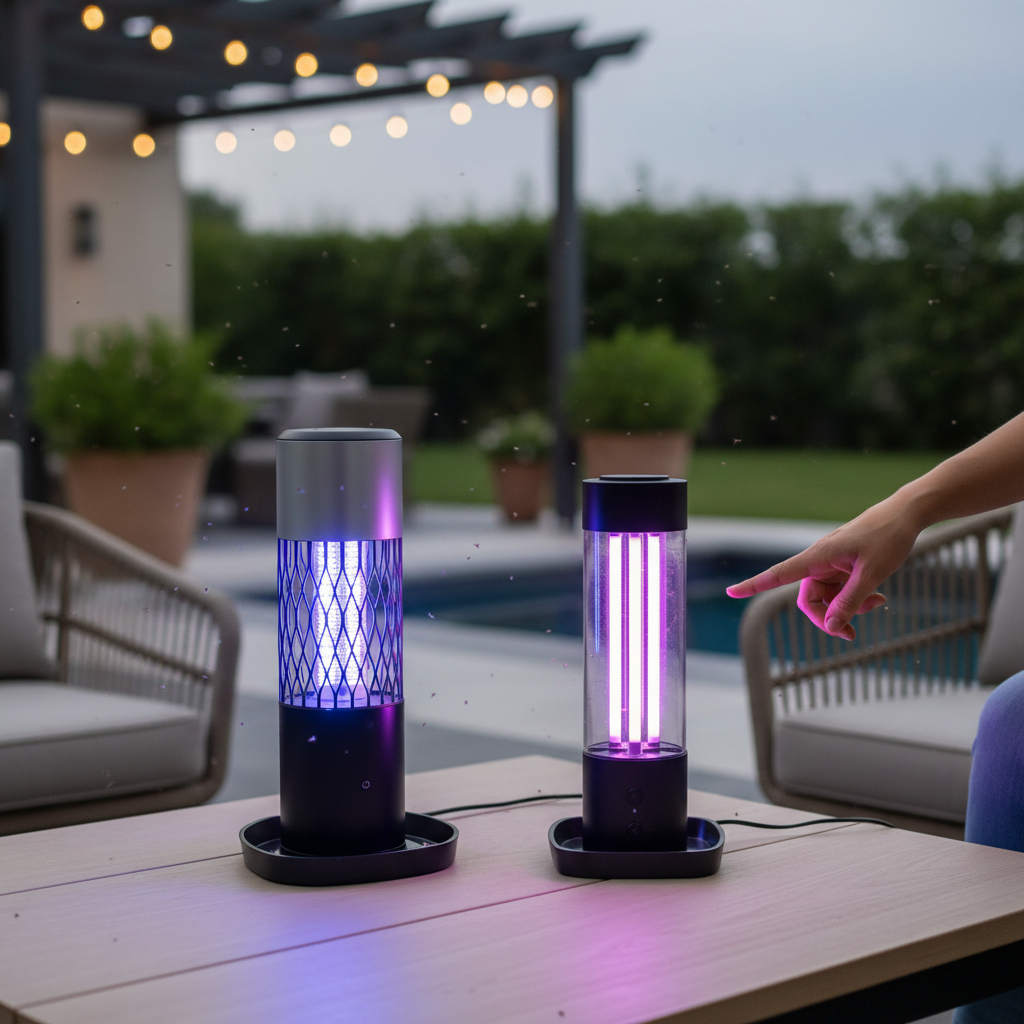
The relentless battle against household pests is a common struggle for many, from the irritating buzz of a mosquito to the unsettling sight of a scurrying cockroach. While electric mosquito lamps have long been a go-to for tackling flying insects, a different, often complementary, solution exists: glue traps. Among the most recognized brands in this category are Catchmaster glue traps, offering a unique approach to pest control. This article delves into a detailed review of Catchmaster glue traps, exploring their mechanisms, benefits, and how they stand as a viable alternative or effective complement to traditional electric pest control lamps, helping you make an informed decision for a pest-free environment.
What Are Catchmaster Glue Traps?
Catchmaster glue traps are non-toxic, adhesive-based pest control devices designed to physically capture a variety of insects and small rodents. Unlike active devices that attract and kill pests, glue traps operate on a passive principle: pests simply get stuck when they come into contact with the strong, proprietary adhesive surface. These traps typically consist of a flat, sturdy board or a pre-folded tray coated with a super-sticky glue. Many Catchmaster products are also infused with attractants, such as food-grade scents or pheromones, to lure pests more effectively to the trap. Available in various sizes and designs, they are adaptable for different pest types and placement scenarios, from discreet corners to busy pathways where pests are known to travel.
Why Consider Catchmaster Glue Traps as a Lamp Alternative?
While electric lamps primarily target phototactic (light-attracted) flying insects, Catchmaster glue traps offer distinct advantages that make them a compelling alternative or supplementary tool, especially when lamps fall short.
- Silent Operation: One of the most significant benefits is their absolute silence. There’s no buzzing, zapping, or humming, making them ideal for bedrooms, offices, or any area where noise disruption is undesirable.
- Non-Electric Solution: Glue traps require no power source, offering complete placement flexibility. They can be deployed in areas without outlets, outdoors (in protected spots), or in locations where electrical appliances might be a hazard. This also means no added electricity costs.
- Broader Pest Spectrum: Electric lamps are typically specialized for flying insects like mosquitoes and moths. Catchmaster glue traps, however, are highly effective against a wider range of pests, including crawling insects like cockroaches, spiders, ants, silverfish, and even small rodents like mice. For a comprehensive pest problem, they tackle threats lamps can’t.
- Cost-Effectiveness: Generally, glue traps have a lower upfront cost than most quality electric pest lamps. While they are disposable and need replacement, their affordability makes them a budget-friendly option for ongoing pest management.
- Targeted Placement: Glue traps allow for precise, targeted pest control. You can place them exactly where you’ve noticed pest activity, such as along baseboards, under sinks, behind appliances, or in pantries, maximizing their efficiency in specific problem areas.
Key Features and Specifications of Catchmaster Glue Traps
Catchmaster has built a reputation for reliable and effective glue traps, thanks to several key features that set their products apart. Understanding these specifications is crucial for choosing the right trap for your needs.
Adhesive Quality
|
Our Picks for the Best Mosquito killer lamp in 2026
As an Amazon Associate I earn from qualifying purchases.
|
||
| Num | Product | Action |
|---|---|---|
| 1 | Bug Zapper Outdoor Indoor, Mosquito Zapper, Electric Fly Traps IPX4 Waterproof 20W Lamp Fly Insects Traps for Patio, Garage, Backyard, Porch |

|
| 2 | Bug Zapper Light Bulb, 2 in 1 Mosquitoes Killer Lamp Led Electronic Insect & Fly Killer, Porch Light for Entryway, Doorway, Corridor, Balcony and Patio (White) |
|
| 3 | LUOJIBIE Bug Zapper Outdoor, Electric Mosquito Killer Fly Trap with UV/LED Light, 4200V High Voltage Waterproof Flying Insect Zapper for Backyard Patio, Indoor Mosquito Zapper for Home Garage |
|
| 4 | YISSVIC Bug Zapper Outdoor Indoor Waterproof Electric Mosquito Lamp Fly Zapper Killer Effective 4200V Plug in for Home Patio Office Courtyard (One-Light Control Bug Zapper) |
|
| 5 | ASPECTEK Insect Killer, Bug Zapper, Powerful 20W Electronic Indoor Fly Zapper for Mosquito, Fungus Gnat, Asian Beetle, Moth, Flying Pests - Indoor Use, Includes 2-Pack Replacement Bulbs |
|
| 6 | GOOTOP Bug Zapper Outdoor, Mosquito Zapper, 3 Prong Plug in Electric Fly Zapper, Mosquito Killer, Fly Traps, Flying Insects Zapper Indoor Outdoor, 4200V, ABS Plastic Outer (Black) |
|
| 7 | Buzbug 50,000 Hrs Lifespan LED Bug Zapper Indoor, 3800V High-Voltage Indoor Fly Trap, 3 LED Bulbs Enhanced Dual-Band Attraction & Energy Saving, Electric Mosquito Killer for Gnats, Fruit Flies, Moths |
|
| 8 | YISSVIC Bug Zapper Outdoor Indoor Waterproof Electric Mosquito Lamp Fly Zapper Killer Effective 4200V Plug in for Home Patio Office Courtyard |
|
| 9 | Electric Bug Zapper Indoor, Mosquito Zapper with 3500V Powerful Dual Grid & Remote, Fly Zapper Fly Trap Insect Killer for Patio Yard Home Kitchen Camping - Including 2 Replacement Bulbs (Black) |
|
| 10 | Electric Bug Zapper Indoor/Outdoor, 4200V High Powered Mosquito Zappers Killer, Waterproof Insect Fly Swatter Zapper Mosquito Trap Outdoor, Fly Traps, Insect Killer for Home,Garden,Backyard, Camping |
|
The core of any glue trap is its adhesive, and Catchmaster is known for its high-strength, long-lasting glue. Their formulations are designed to maintain stickiness over extended periods, even in varying temperatures and humidity levels. This ensures that once a pest makes contact, it remains securely trapped, preventing escape.
Trap Design and Size
Catchmaster offers a diverse range of designs to suit different pest types and deployment needs. These include:
- Flat Boards: Simple, peel-and-place traps for general insect and rodent control.
- Fold-Up Traps: Designed to create a tunnel or box-like structure, offering discreet placement and protecting the glue from dust and debris while also containing trapped pests. These are often preferred for rodents.
- Larger Formats: Some traps are larger, capable of catching multiple pests or larger specimens.
Non-Toxic Formulation
A significant advantage of Catchmaster glue traps is their non-toxic nature. The adhesive contains no pesticides or harmful chemicals, making them a safer option for use around food preparation areas, children, and pets (though direct contact with the glue should still be avoided for safety). This chemical-free approach is appealing to those seeking environmentally conscious pest control.
Attractants (Optional)
Many Catchmaster glue traps come pre-infused with attractants. For insect traps, these might be food-grade scents or pheromones that specifically draw in crawling insects like cockroaches. For rodent traps, peanut butter or other food-based attractants are often incorporated, enhancing their lure and effectiveness without needing additional bait from the user.
Catchmaster Glue Traps vs. Electric Mosquito Lamps: A Comparative Analysis
When deciding on a pest control method, it’s helpful to understand how Catchmaster glue traps stack up against electric mosquito lamps. Both have their strengths and ideal applications.
| Feature | Catchmaster Glue Traps | Electric Mosquito Lamps |
|---|---|---|
| Target Pests | Rodents, cockroaches, spiders, ants, fruit flies, gnats | Mosquitoes, moths, other phototactic flying insects |
| Attraction Method | Passive (stumbling upon), attractants (food/pheromone) | Active (UV light, CO2 imitation) |
| Killing Mechanism | Physical adherence (trap and hold) | Electrocution (zapper) or fan suction (trap) |
| Noise Level | Silent | Can be noisy (zapping sounds) |
| Power Requirement | None | Electric (requires outlet) |
| Safety Concerns | Can trap pets/children (sticky), mess potential | Minor UV exposure, potential fire risk (low), electrical |
| Maintenance | Replace when full or dirty | Clean grid/collection tray, occasional bulb replacement |
| Cost | Low initial cost, disposable | Moderate to high initial cost, reusable (with maintenance) |
| Best Use Case | Targeted spot treatment for crawling/small flying pests | General area coverage for flying insects, especially mosquitoes |
This comparison highlights that Catchmaster glue traps and electric lamps are often complementary rather than direct replacements, especially for comprehensive pest management. While a lamp might reduce flying insect populations in a room, a glue trap can simultaneously address crawling invaders that are unaffected by light.
Detailed Review: Catchmaster Glue Traps
Catchmaster glue traps generally receive high marks for their effectiveness, ease of use, and versatility in pest control.
General Effectiveness: These traps are highly effective for their primary targets: crawling insects and small rodents. Users frequently report successful captures of cockroaches, spiders, ants, silverfish, and mice. The strong adhesive ensures that once a pest is on the trap, it’s there to stay.
Effectiveness for Flying Insects: For smaller, less agile flying insects like fruit flies, gnats, and certain houseflies, Catchmaster glue traps can be quite effective, especially when placed near their breeding or resting areas. However, for active, larger flying insects such as mosquitoes, the effectiveness is limited. Mosquitoes are primarily attracted to CO2 and body heat, not typically to the visual or olfactory cues used by glue traps, making electric lamps generally superior for dedicated mosquito control.
Ease of Use: Setting up Catchmaster traps is remarkably simple. Most designs involve peeling a protective layer to expose the adhesive and then placing the trap in the desired location. No complex assembly or power connection is required.
Disposal: Disposal is straightforward and hygienic. Once the trap is full or has served its purpose, it can be folded over to contain the pests and then safely discarded in the trash. This minimizes direct contact with trapped creatures.
Durability: The adhesive typically remains effective for several weeks to a few months, depending on environmental factors. High dust levels or extreme humidity can reduce stickiness over time, necessitating earlier replacement.
User Experience: Overall, users appreciate the quiet, non-toxic nature of Catchmaster glue traps. They are often praised for their ability to show tangible results, providing visual evidence of the pest problem being addressed. However, caution is always advised regarding placement to avoid trapping pets or children.
Maximizing the Effectiveness of Catchmaster Glue Traps
To get the most out of your Catchmaster glue traps, strategic deployment and regular maintenance are key.
Strategic Placement
The location of your glue traps significantly impacts their success.
- For Crawling Insects: Place traps along walls, in corners, under sinks, behind appliances, in pantries, or any area where you’ve noticed pest activity. Pests like cockroaches and spiders tend to hug walls and move through hidden pathways.
- For Flying Insects (Fruit Flies, Gnats): Position traps near fruit bowls, trash cans, drains, or other moisture sources where these insects congregate. While not ideal for mosquitoes, placing them near windows might catch some flies.
Regular Monitoring and Replacement
Check your glue traps frequently, ideally every few days. Once a trap is full of pests, covered in dust, or has lost its stickiness, it’s time to replace it. A neglected trap becomes ineffective and unsanitary. Timely replacement ensures continuous protection.
Combining with Other Pest Control Methods
For a truly comprehensive pest management strategy, consider using Catchmaster glue traps in conjunction with other methods. For instance, if mosquitoes are a primary concern, use an electric mosquito lamp or repellent for those pests, while deploying glue traps to catch crawling insects that lamps won’t target. Good sanitation practices, sealing entry points, and eliminating standing water also work hand-in-hand with traps.
Where to Purchase Authentic Catchmaster Glue Traps
Acquiring authentic Catchmaster glue traps from reliable sources ensures you receive a quality product with effective adhesive.
- Hardware Stores: Major hardware retailers often stock a range of Catchmaster products.
- Supermarkets and Home Improvement Stores: Many grocery stores and large retail chains carry basic pest control items, including Catchmaster glue traps.
- Online Retailers: E-commerce platforms such as Amazon, Walmart, and specialty pest control supply websites offer a wide selection of Catchmaster traps, often with competitive pricing and the convenience of home delivery.
- Specialty Pest Supply Stores: These stores often have the most extensive range of Catchmaster products, catering to various pest control needs.
Always ensure you are purchasing from a reputable vendor to avoid counterfeit products that may have inferior adhesive quality or less effective attractants.
Important Safety and Usage Notes for Glue Traps
While Catchmaster glue traps are non-toxic, responsible usage is essential to ensure safety and ethical pest control.
- Placement Away from Children and Pets: Always place glue traps in areas inaccessible to children and pets. Curious hands or paws can easily get stuck, leading to distress and a messy situation.
- Removing Glue from Skin or Fur: If skin or pet fur accidentally comes into contact with the adhesive, do not pull directly. Instead, use vegetable oil, mineral oil, or peanut butter to gently work the glue loose. Apply the oil, let it sit for a few minutes, and then carefully separate the affected area.
- Humidity and Dust: High humidity or dusty environments can degrade the effectiveness of the adhesive over time. Place traps in relatively clean, dry areas for optimal performance.
- Ethical Considerations: It’s important to acknowledge the ethical concerns some individuals have regarding glue traps, as they capture pests alive, leading to a slow demise. For those uncomfortable with this, other pest control methods might be more suitable. If trapped pests are still alive, some users choose to humanely dispatch them or release them if they are non-target animals, though this requires careful handling.
Choosing the Right Pest Control: Catchmaster Glue Traps (Lamp Alt) Buying Guide
Making an informed decision about pest control involves assessing your specific needs and understanding the strengths of different tools. When considering Catchmaster glue traps as an alternative or complement to electric lamps, follow these steps:
- Identify Your Primary Pest Problem: Are you battling mainly crawling insects like cockroaches and spiders, or is your main concern flying pests like mosquitoes and moths? Glue traps excel for the former, while lamps are better for the latter.
- Consider Your Environment: Think about where the pests are. Do you need a solution for damp basements, kitchens, or quiet bedrooms? Do you have small children or pets that might interact with traps?
- Evaluate Need for Silent/Electric-Free Operation: If noise is a concern or you need a solution for areas without power outlets, glue traps are an excellent choice.
- Assess Budget and Long-Term Costs: Glue traps are cheap per unit but are disposable. Electric lamps have a higher upfront cost but are reusable.
- Understand Complementary Roles: Rarely does one pest control method solve all issues. Be open to combining Catchmaster glue traps with other strategies for comprehensive protection.
Conclusion
Catchmaster glue traps offer a highly effective, non-toxic, and silent solution for a broad spectrum of household pests, serving as a valuable alternative or indispensable complement to electric mosquito lamps. While they may not be the primary weapon against mosquitoes, their efficacy against crawling insects and smaller flying pests, coupled with their ease of use and affordability, makes them an essential tool in any pest management arsenal. By understanding their unique benefits and strategically deploying them, you can create a more comprehensive defense against unwanted intruders. Are you ready to discover the silent power of a Catchmaster glue trap in your home?
Câu Hỏi Thường Gặp
Are Catchmaster glue traps effective for mosquitoes?
Catchmaster glue traps are generally not highly effective for mosquitoes, as mosquitoes are primarily attracted to CO2 and heat, not typically the visual or olfactory cues used by glue traps. While they might occasionally catch a few, electric mosquito lamps are specifically designed and are usually more effective for dedicated mosquito control.
Are glue traps humane?
The humanity of glue traps is a debated topic. They work by physically adhering pests, which can lead to a slow and stressful demise for the trapped creature. For those who prioritize humane pest control, other methods like live traps (for rodents) or targeted insect sprays might be preferred.
How do I remove a glue trap from a pet or child?
If a pet or child gets stuck to a glue trap, do not pull forcefully. Instead, gently apply vegetable oil, mineral oil, or peanut butter to the affected area. Let it soak for a few minutes, then carefully and slowly work the glue off the skin or fur. Dish soap can help clean any oily residue afterward.
How long do Catchmaster glue traps last?
The effectiveness of Catchmaster glue traps typically lasts for several weeks to a few months once deployed, depending on environmental conditions. Factors like dust, extreme humidity, or becoming completely covered with pests will reduce their stickiness and necessitate earlier replacement for optimal performance.
Can I use Catchmaster glue traps outdoors?
Catchmaster glue traps can be used outdoors, but it’s important to place them in protected areas away from direct sunlight, rain, excessive dust, or extreme temperatures, as these elements can significantly reduce the adhesive’s effectiveness. They are best suited for covered porches, garages, or shed interiors.