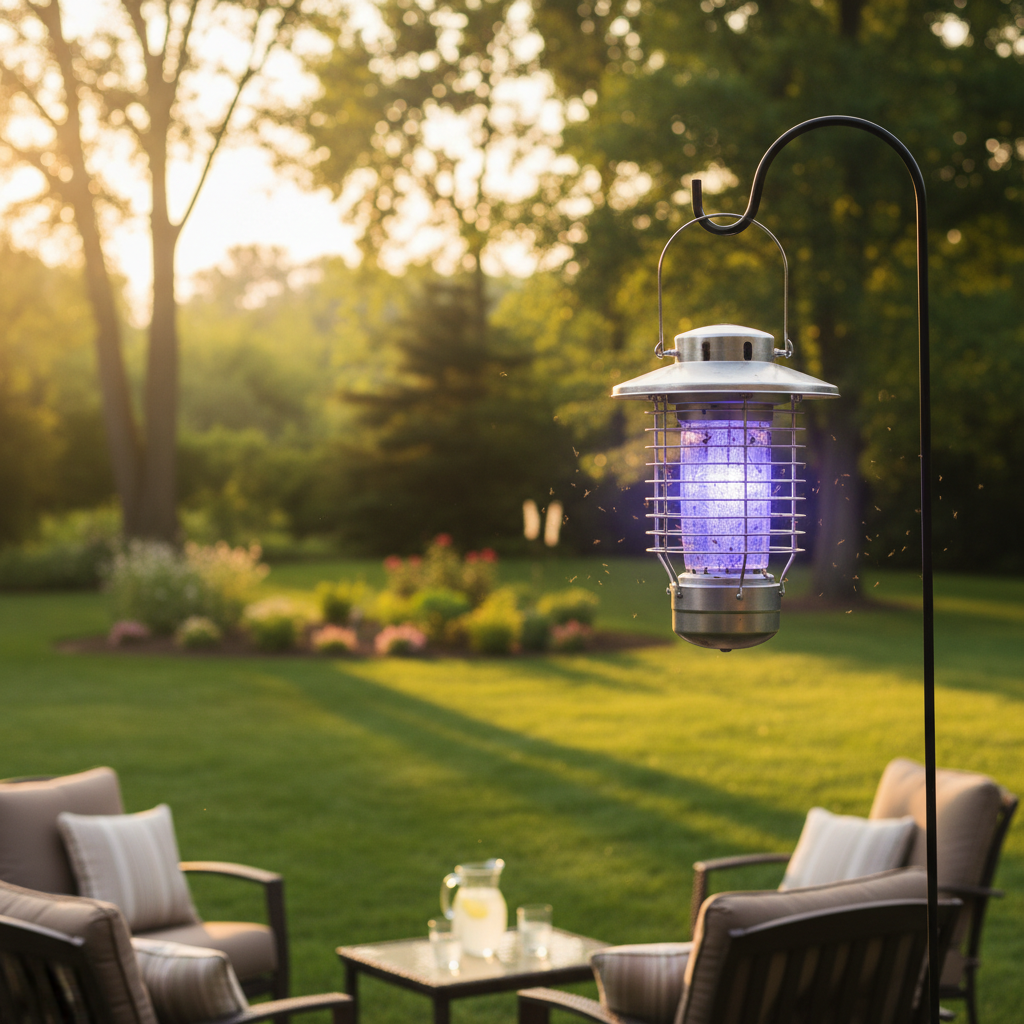
The buzzing nuisance of mosquitoes can quickly turn a pleasant evening into an irritating ordeal. Whether you are battling tiny invaders indoors or reclaiming your patio from swarming pests, a mosquito killer lamp often seems like the ideal solution. But with an increasing array of technologies available, deciding between LED and traditional fluorescent UV tubes can be a perplexing choice. Understanding the fundamental differences in how these lamps attract and eliminate insects is key to making an informed decision that truly safeguards your home and family.
What is a Mosquito Killer Lamp?
A mosquito killer lamp is an electronic device designed to attract flying insects, primarily mosquitoes, using a light source, and then neutralize them. The basic principle involves luring these pests to the lamp, where they are either electrocuted by a high-voltage grid or trapped on a sticky glue board. This method offers a chemical-free approach to pest control, relying on insects’ natural phototaxis – their inherent attraction to light. While both LED and fluorescent lamps utilize light to achieve this, their underlying technology, efficiency, and overall performance diverge significantly.
Benefits of Using Mosquito Killer Lamps
Choosing a mosquito killer lamp offers a range of compelling advantages for maintaining a comfortable and healthy living environment. Perhaps the most immediate benefit is the effective reduction of adult mosquito populations, which directly translates to fewer bites and less annoyance. Unlike chemical sprays or burning coils that release potentially harmful fumes, these lamps provide a clean, chemical-free pest control solution, making them a safer choice for households with children, pets, or individuals with respiratory sensitivities.
Beyond comfort, mosquito killer lamps play a crucial role in public health by mitigating the risk of mosquito-borne diseases like dengue, Zika, and malaria. By actively reducing mosquito numbers, you create a protective barrier around your home. Over time, these devices can also be more cost-effective than continually purchasing repellents or calling pest control services. Many modern designs, especially LED variants, are engineered for energy efficiency and long-term durability, minimizing both operational costs and environmental impact. They offer a silent, continuous line of defense, allowing you to enjoy your indoor and outdoor spaces without constant worry.
Important Criteria When Choosing a Mosquito Killer Lamp
Selecting the right mosquito killer lamp involves more than just picking the first one you see. A thoughtful evaluation based on several key criteria will ensure you invest in a device that effectively meets your specific needs.
Operating Range
|
Our Picks for the Best Mosquito killer lamp in 2026
As an Amazon Associate I earn from qualifying purchases.
|
||
| Num | Product | Action |
|---|---|---|
| 1 | Bug Zapper Outdoor Indoor, Mosquito Zapper, Electric Fly Traps IPX4 Waterproof 20W Lamp Fly Insects Traps for Patio, Garage, Backyard, Porch |

|
| 2 | Buzbug 50,000 Hrs Lifespan LED Bug Zapper Indoor, 3800V High-Voltage Indoor Fly Trap, 3 LED Bulbs Enhanced Dual-Band Attraction & Energy Saving, Electric Mosquito Killer for Gnats, Fruit Flies, Moths |
|
| 3 | GOOTOP Bug Zapper Outdoor, Mosquito Zapper, 3 Prong Plug in Electric Fly Zapper, Mosquito Killer, Fly Traps, Flying Insects Zapper Indoor Outdoor, 4200V, ABS Plastic Outer (Black) |
|
| 4 | LUOJIBIE Bug Zapper Outdoor, Electric Mosquito Killer Fly Trap with UV/LED Light, 4200V High Voltage Waterproof Flying Insect Zapper for Backyard Patio, Indoor Mosquito Zapper for Home Garage |
|
| 5 | Electric Bug Zapper Indoor, Mosquito Zapper with 3500V Powerful Dual Grid & Remote, Fly Zapper Fly Trap Insect Killer for Patio Yard Home Kitchen Camping - Including 2 Replacement Bulbs (Black) |
|
| 6 | YISSVIC Bug Zapper Outdoor Indoor Waterproof Electric Mosquito Lamp Fly Zapper Killer Effective 4200V Plug in for Home Patio Office Courtyard |
|
| 7 | ASPECTEK Insect Killer, Bug Zapper, Powerful 20W Electronic Indoor Fly Zapper for Mosquito, Fungus Gnat, Asian Beetle, Moth, Flying Pests - Indoor Use, Includes 2-Pack Replacement Bulbs |
|
| 8 | Bug Zapper Light Bulb, 2 in 1 Mosquitoes Killer Lamp Led Electronic Insect & Fly Killer, Porch Light for Entryway, Doorway, Corridor, Balcony and Patio (White) |
|
| 9 | YISSVIC Bug Zapper Outdoor Indoor Waterproof Electric Mosquito Lamp Fly Zapper Killer Effective 4200V Plug in for Home Patio Office Courtyard (One-Light Control Bug Zapper) |
|
| 10 | Electric Bug Zapper Indoor/Outdoor, 4200V High Powered Mosquito Zappers Killer, Waterproof Insect Fly Swatter Zapper Mosquito Trap Outdoor, Fly Traps, Insect Killer for Home,Garden,Backyard, Camping |
|
The effective area a lamp can cover is crucial, particularly if you have large outdoor spaces or multiple indoor rooms to protect. Fluorescent UV zappers have traditionally been known for their wide coverage, making them suitable for expansive outdoor areas. LED traps, while excellent for focused indoor use, may sometimes have a more concentrated field of attraction. Consider the size of the space you intend to protect when evaluating a lamp’s advertised range.
Type of Light Source
The core of any mosquito killer lamp is its light source. Fluorescent UV tubes typically emit a broad spectrum of UV-A light, which attracts a wide variety of flying insects. LED lamps, on the other hand, utilize specific UV LED chips, often emitting narrow wavelengths like 365nm or 395nm. Modern LED technology is evolving, with some models incorporating dual wavelengths to enhance attraction for a broader range of pests. Understanding the nuances of each light source can help you target your specific pest problem more effectively.
Safety
Safety should always be a top priority, especially when operating electrical devices around your home. Traditional fluorescent zappers often feature exposed electric grids, which, while effective at killing insects, pose a potential shock hazard if touched directly. They also emit a higher output of UV radiation. LED models generally emit less UV radiation and are often designed with enclosed grids or use sticky traps, making them a safer choice, particularly for environments with children and pets.
Power Consumption and Energy Efficiency
Energy efficiency impacts both your electricity bill and the environment. Here, LED technology shines, consuming significantly less power than fluorescent UV tubes. A typical LED strip in an insect light trap might use as little as 10 watts, compared to 60-90 watts for some fluorescent units. This difference can lead to substantial long-term savings and a reduced carbon footprint, aligning with sustainable living practices.
Durability and Lifespan
Nobody wants to frequently replace bulbs or an entire unit. Fluorescent UV tubes typically have a lifespan of about 3,000 to 5,000 hours, or roughly one year, after which their UV output can degrade by as much as 50%. LED lamps boast a much longer lifespan, often lasting 10,000 to 50,000 hours. This extended durability means fewer replacements, less waste, and consistent performance over a longer period.
Ease of Cleaning and Maintenance
Regular cleaning is essential for maintaining the effectiveness and hygiene of any mosquito killer lamp. Look for models with easily removable collection trays or simple cleaning mechanisms. For fluorescent lamps, you’ll also need to consider the frequency and ease of bulb replacement, as they need to be changed annually to maintain optimal attraction power. LED units, with their longer lifespan, significantly reduce the hassle of frequent bulb changes.
Comparing Popular Mosquito Killer Lamp Types
When faced with a choice between LED and fluorescent UV tube mosquito killer lamps, a direct comparison of their features can illuminate which technology best suits your pest control strategy.
| Feature | LED Insect Killers | Fluorescent UV Insect Killers |
|---|---|---|
| Light Source | UV LED chips (narrow, specific wavelengths, e.g., 365nm/395nm) | Traditional fluorescent tubes (broader UV-A spectrum) |
| Effectiveness (General) | More selective, improving with dual wavelengths; excellent for indoor use. | Broader range of insects attracted; proven for large outdoor areas. |
| Mosquito Specificity | Effective, especially when combined with CO2/Octenol attractants. | Less effective against mosquitoes if relying solely on UV light; best with added attractants. |
| Energy Efficiency | Very low consumption, highly energy-efficient (up to 70-85% savings). | Higher power draw, less energy-efficient. |
| Durability/Lifespan | Long-lasting (10,000-50,000 hours); minimal UV degradation. | Shorter lifespan (3,000-5,000 hours or ~1 year); UV output degrades significantly. |
| Safety | Low UV radiation, quiet operation, generally safer for indoor use. | Higher UV output, exposed electric grids; can accidentally harm beneficial insects. |
| Environmental Impact | Sustainable, no mercury, reduced carbon footprint. | Contains mercury, higher carbon emissions; being phased out in some regions. |
| Maintenance | Less frequent bulb replacements. | Requires annual bulb replacements for optimal performance. |
| Cost (Long-term) | Higher initial investment, but lower operational and replacement costs. | Lower upfront cost, but higher long-term operational and replacement expenses. |
| Noise | Often silent or uses a quiet fan; ideal for quiet spaces. | Can produce a noticeable “zapping” sound upon insect contact. |
Top Mosquito Killer Lamp Technologies
While specific product models change frequently, understanding the leading technologies will help you identify the best features for your needs.
LED UV Lamps: Modern LED mosquito killer lamps represent the cutting edge of pest control technology. They are celebrated for their exceptional energy efficiency, consuming significantly less power than their fluorescent counterparts. This not only reduces electricity bills but also lessens your environmental footprint. The long lifespan of LED lights, often lasting for tens of thousands of hours, means fewer bulb replacements and consistent performance over many years. Many advanced LED traps feature dual UV wavelengths (e.g., 365nm and 395nm) to broaden their attraction spectrum, making them highly effective against a variety of flying insects, including mosquitoes, flies, and moths. Their quieter operation and lower UV output also make them generally safer for indoor use around families and pets.
Fluorescent UV Lamps: Traditional fluorescent UV lamps have been a staple in insect control for decades due to their ability to emit a broad spectrum of UV-A light, which is highly attractive to a wide range of flying insects. They are particularly well-suited for covering large outdoor areas where their wide light dispersion can draw pests from a greater distance. While effective for general insect control, it is important to note that mosquitoes are not solely attracted to UV light; their primary attractants are carbon dioxide and body odor. For enhanced mosquito control with fluorescent lamps, models that incorporate additional attractants like octenol or CO2 are significantly more effective. However, these lamps tend to consume more energy, have a shorter bulb lifespan, and contain mercury, raising environmental and disposal concerns.
Lamps with Additional Attractants (CO2/Octenol): Regardless of whether a lamp uses LED or fluorescent technology, the most effective mosquito killer lamps often supplement UV light with other attractants that specifically target mosquitoes. Mosquitoes are strongly drawn to the carbon dioxide we exhale and certain chemicals found in our sweat, such as octenol. Lamps that mimic these cues, either by releasing CO2 or incorporating octenol cartridges, dramatically increase their effectiveness against mosquitoes. This dual-action approach provides a comprehensive solution, combining the visual lure of light with the olfactory attractants that mosquitoes find irresistible. When choosing a mosquito killer lamp, prioritize models that integrate these additional attractants for superior mosquito control.
How to Use a Mosquito Killer Lamp Effectively
Maximizing the performance of your mosquito killer lamp involves more than just plugging it in. Strategic placement, timing, and routine maintenance are crucial for optimal results.
For indoor use, position the lamp in a dark area away from competing light sources and where mosquitoes are frequently observed, such as near windows or entryways. Avoid placing it too close to people, as the lamp is meant to draw mosquitoes away from you. For outdoor areas, place fluorescent UV lamps about 25 feet away from your main activity zone (like a patio or deck) to draw insects away from your gathering. LED traps are generally more suited for closer proximity or smaller outdoor spaces.
Timing is also critical. Mosquitoes are most active during dusk and throughout the night. Turn on your lamp an hour or two before you plan to use an area, and keep it running for several hours after dark. This captures the peak activity periods of these pests.
Regular cleaning is paramount for consistent effectiveness. Dead insects can accumulate on the electric grid or sticky traps, reducing the lamp’s ability to attract and eliminate new pests. Many lamps feature removable trays for easy disposal. For fluorescent models, remember to replace the UV bulbs annually, as their UV output diminishes over time, even if the bulb still appears to be working. LED bulbs, with their much longer lifespan, require significantly less frequent replacement.
Where to Buy Reliable Mosquito Killer Lamps
Finding a trustworthy source for your mosquito killer lamp ensures you get a quality product with proper support. You’ll typically find a wide selection at major online retailers such as Amazon, offering convenience and often competitive pricing. Large electronics stores or home improvement centers like Best Buy or Lowe’s also stock various models, allowing you to see products in person and speak with sales associates. Additionally, specialized stores focusing on pest control or home appliances might offer a more curated selection and expert advice. Always check customer reviews and the seller’s return and warranty policies before making a purchase. Opting for reputable brands known for quality and customer service can provide peace of mind.
Important Considerations When Using Mosquito Killer Lamps
While mosquito killer lamps offer a convenient solution for pest control, a few crucial considerations will enhance their effectiveness and ensure safety for everyone in your household.
First, always prioritize placement. Ensure the lamp is on a stable surface or securely mounted, away from the reach of children and pets, especially models with exposed electric grids. For outdoor use, position it in an area where it can effectively draw mosquitoes away from your family’s gathering spots, rather than directly next to them.
Secondly, be mindful of UV exposure. While the UV-A light emitted by these lamps is generally considered safe for casual exposure at a distance, it’s wise to avoid staring directly into the light source for prolonged periods. This is particularly relevant for fluorescent UV lamps, which tend to have higher UV output.
Regular cleaning is not just about hygiene; it directly impacts the lamp’s efficiency. Accumulated insect debris can block the light and reduce the electrical conductivity of the grid, making the lamp less attractive and less lethal to new pests. A quick, routine clean will maintain peak performance.
Finally, for fluorescent models, remember that bulb replacement is not optional. UV-A bulbs degrade over time, losing their attractiveness to insects even before they burn out completely. Most manufacturers recommend replacing fluorescent bulbs annually to ensure optimal pest attraction. LED lamps, thankfully, mitigate this concern with their extended lifespan. When specifically targeting mosquitoes, remember that traditional UV zappers alone might not be as effective as models that also incorporate CO2 or octenol attractants.
Buying Guide for Mosquito Killer Lamps
Navigating the market for mosquito killer lamps can feel overwhelming, but a systematic approach will lead you to the perfect device for your home.
Begin by identifying your specific needs. Are you battling mosquitoes in a small bedroom, a large open-plan living area, or an expansive backyard? The size of the area, whether it’s indoors or outdoors, and the primary type of pest you wish to control (just mosquitoes, or also flies and moths?) will significantly influence your choice. This assessment will help you determine the required coverage area and the type of light source and attractants needed.
Next, research products thoroughly. Look beyond the flashy marketing. Dive into product descriptions to understand the lamp’s technology – is it LED, fluorescent UV, or a combination? Does it include additional attractants like CO2 or octenol, which are crucial for effective mosquito control? Pay close attention to user reviews to gauge real-world performance, durability, and any common issues.
Once you have a shortlist, compare prices and features across different retailers. Don’t simply opt for the cheapest option; consider the long-term value, including energy consumption, bulb lifespan, and maintenance requirements. A slightly higher upfront cost for an energy-efficient, long-lasting LED lamp might save you money in the long run.
Before finalizing your purchase, verify the warranty and return policy. A good warranty indicates the manufacturer’s confidence in their product. Also, understand the return process in case the lamp doesn’t meet your expectations.
Finally, upon receiving your mosquito killer lamp, read the instruction manual carefully before use. Familiarize yourself with the recommended placement, operating procedures, safety guidelines, and maintenance schedule. Proper setup and care are essential for ensuring the lamp operates safely and effectively, providing you with the peace of mind of a pest-free environment.
Conclusion
Choosing the right mosquito killer lamp involves weighing the benefits of modern LED technology against the established performance of traditional fluorescent UV tubes. LED lamps offer compelling advantages in energy efficiency, longevity, and overall safety, making them a sustainable and cost-effective choice for many homeowners. Their evolution, including dual-wavelength designs and compatibility with additional attractants, continues to enhance their effectiveness. Fluorescent UV lamps, while effective for broader insect control over large outdoor spaces, come with considerations regarding energy consumption, shorter bulb lifespans, and the presence of mercury.
Ultimately, the best mosquito killer lamp is the one that aligns with your specific needs, environment, and priorities. By considering factors like coverage area, safety features, energy use, and the importance of mosquito-specific attractants, you can make an informed decision to protect your home and family effectively. Are you ready to make your space mosquito-free, and what features will guide your choice?
Câu Hỏi Thường Gặp
Are LED mosquito killer lamps more effective than fluorescent ones?
LED mosquito killer lamps often offer better energy efficiency and a longer lifespan. Their effectiveness for mosquitoes can be superior, especially if they combine UV light with mosquito-specific attractants like CO2 or octenol, as mosquitoes are not solely drawn to UV light.
How long do LED mosquito killer lamps last?
LED mosquito killer lamps boast a significantly longer lifespan, typically ranging from 10,000 to 50,000 hours. This is a considerable improvement over fluorescent UV bulbs, which usually last for about 3,000 to 5,000 hours and require annual replacement.
Are UV mosquito killer lamps safe for humans and pets?
Generally, UV-A mosquito killer lamps are considered safe for humans and pets when used as directed and kept at a reasonable distance. LED models often have lower UV output and are designed with enclosed features, making them a safer option, especially for indoor environments.
Do bug zappers really work on mosquitoes?
Traditional bug zappers that rely solely on broad-spectrum UV light are often not highly effective against mosquitoes, as mosquitoes are primarily attracted to CO2 and body odor, not just UV. For better mosquito control, look for zappers that incorporate additional attractants like octenol or carbon dioxide.
How much energy do LED mosquito killer lamps save compared to fluorescent?
LED mosquito killer lamps are remarkably more energy-efficient, typically consuming up to 70-85% less power than equivalent fluorescent UV tube models. This substantial difference leads to significant long-term savings on electricity bills and a reduced environmental footprint.