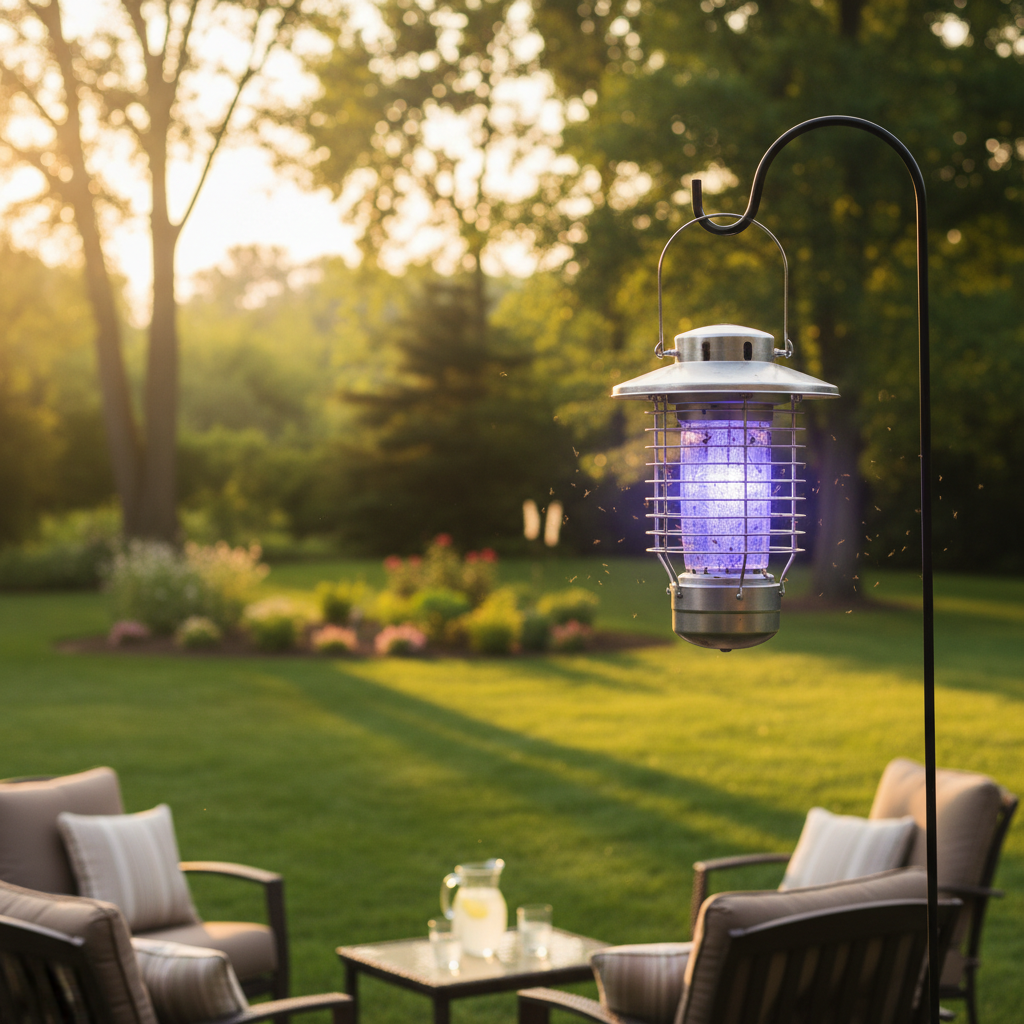
For years, the battle against mosquitoes has driven innovation in home pest control, leading to a myriad of solutions. Among the most popular are mosquito killer lamps, often equipped with ultraviolet (UV) bulbs designed to attract and eliminate these bothersome insects. But as you navigate the options, a common question arises: what’s the real difference between a 15W and a 20W UV bulb, and does higher wattage truly mean better protection? The answer, as with many technologies, is more nuanced than a simple number. Understanding the intricacies of UV bulb power, lamp design, and mosquito behavior is crucial to making an informed choice for your home. This article dives deep into the comparison, helping you cut through the marketing hype to select a truly effective solution.
What Are Mosquito Killer Lamps?
Mosquito killer lamps, often referred to as bug zappers, are electronic devices designed to attract and kill flying insects using various methods. The most common type utilizes UV-A light (typically in the 315-400nm range) to lure insects. Once attracted, insects are either electrocuted by a high-voltage grid, trapped on a sticky glue board, or drawn into a collection chamber by a fan.
While these lamps are effective at attracting a wide range of flying insects, it’s essential to understand their specific impact on mosquitoes. Research indicates that mosquitoes are not primarily attracted to UV light alone. Instead, they are more drawn to cues like carbon dioxide (CO2), body heat, and specific scents (like octenol) that emanate from hosts. This means that while a UV lamp might kill many general flying insects, its direct efficiency against mosquitoes can be surprisingly low. Some advanced mosquito traps incorporate additional attractants like CO2 generators or octenol lures to specifically target mosquitoes.
Benefits of Using Mosquito Killer Lamps
Despite the nuances regarding mosquito-specific attraction, mosquito killer lamps offer several benefits as part of a broader pest control strategy:
- Reduction of General Flying Insects: They effectively reduce populations of various annoying nocturnal flying insects such as moths, flies, and certain beetles, which are strongly attracted to UV light. This can significantly improve comfort in outdoor and indoor spaces.
- Non-Chemical Method (for UV-only types): Many UV lamps operate without the need for chemical insecticides or repellents, making them a potentially safer option for environments with children, pets, or individuals sensitive to chemicals.
- Disease Prevention (Indirect): By reducing the overall insect population, including some mosquitoes (even if not the primary target), they can indirectly contribute to reducing the risk of insect-borne diseases.
- Convenience and Ease of Use: Most models are plug-and-play, requiring minimal setup. They can operate continuously, providing ongoing protection with little intervention.
- Cost-Effective in the Long Run: Compared to recurring costs of sprays or professional extermination services, a one-time purchase of a quality lamp with periodic bulb replacement can be more economical.
Key Criteria When Choosing a Mosquito Killer Lamp
Selecting the right mosquito killer lamp involves more than just looking at wattage. Here are critical factors to consider:
Coverage Area
|
Our Picks for the Best Mosquito killer lamp in 2026
As an Amazon Associate I earn from qualifying purchases.
|
||
| Num | Product | Action |
|---|---|---|
| 1 | LUOJIBIE Bug Zapper Outdoor, Electric Mosquito Killer Fly Trap with UV/LED Light, 4200V High Voltage Waterproof Flying Insect Zapper for Backyard Patio, Indoor Mosquito Zapper for Home Garage |

|
| 2 | GOOTOP Bug Zapper Outdoor, Mosquito Zapper, 3 Prong Plug in Electric Fly Zapper, Mosquito Killer, Fly Traps, Flying Insects Zapper Indoor Outdoor, 4200V, ABS Plastic Outer (Black) |
|
| 3 | Electric Bug Zapper Indoor, Mosquito Zapper with 3500V Powerful Dual Grid & Remote, Fly Zapper Fly Trap Insect Killer for Patio Yard Home Kitchen Camping - Including 2 Replacement Bulbs (Black) |
|
| 4 | YISSVIC Bug Zapper Outdoor Indoor Waterproof Electric Mosquito Lamp Fly Zapper Killer Effective 4200V Plug in for Home Patio Office Courtyard |
|
| 5 | Buzbug 50,000 Hrs Lifespan LED Bug Zapper Indoor, 3800V High-Voltage Indoor Fly Trap, 3 LED Bulbs Enhanced Dual-Band Attraction & Energy Saving, Electric Mosquito Killer for Gnats, Fruit Flies, Moths |
|
| 6 | ASPECTEK Insect Killer, Bug Zapper, Powerful 20W Electronic Indoor Fly Zapper for Mosquito, Fungus Gnat, Asian Beetle, Moth, Flying Pests - Indoor Use, Includes 2-Pack Replacement Bulbs |
|
| 7 | Electric Bug Zapper Indoor/Outdoor, 4200V High Powered Mosquito Zappers Killer, Waterproof Insect Fly Swatter Zapper Mosquito Trap Outdoor, Fly Traps, Insect Killer for Home,Garden,Backyard, Camping |
|
| 8 | YISSVIC Bug Zapper Outdoor Indoor Waterproof Electric Mosquito Lamp Fly Zapper Killer Effective 4200V Plug in for Home Patio Office Courtyard (One-Light Control Bug Zapper) |
|
| 9 | Bug Zapper Light Bulb, 2 in 1 Mosquitoes Killer Lamp Led Electronic Insect & Fly Killer, Porch Light for Entryway, Doorway, Corridor, Balcony and Patio (White) |
|
| 10 | Bug Zapper Outdoor Indoor, Mosquito Zapper, Electric Fly Traps IPX4 Waterproof 20W Lamp Fly Insects Traps for Patio, Garage, Backyard, Porch |
|
The size of the area a lamp can effectively protect is crucial. Higher wattage bulbs generally provide a broader light dispersion and can attract insects from a wider range. However, this must be balanced with the environment’s specific size and layout. For instance, a 15W bulb might suffice for a medium-sized patio, while a 20W bulb could be better for a larger backyard or commercial space.
Type of Light Source
Most mosquito killer lamps use UV-A fluorescent tubes. UV-LED technology is also emerging, offering energy efficiency and targeted wavelengths. While UV fluorescent traps often show higher catch rates for mosquitoes in urban and outdoor environments, UV-LEDs can be effective indoors or for specific mosquito species when optimized for wavelength and intensity.
Safety
Consider the lamp’s design, especially if it will be used around children or pets. Look for protective outer grids that prevent accidental contact with the high-voltage interior. Ensure the materials are durable and flame-retardant. UV-A light is generally considered safe for humans at typical exposure levels, but prolonged direct staring into the light source should be avoided.
Power Consumption and Efficiency
Higher wattage bulbs, like a 20W compared to a 15W, will naturally consume more electricity, leading to higher operating costs over time. However, “wattage does not equal effectiveness” is a critical consideration here. The lamp’s true efficiency depends on how effectively that wattage is converted into attractive UV light and how well the overall system (bulb + ballast) performs.
Bulb Quality and Ballast Matching
This is a frequently overlooked but vital aspect. The actual UV output and longevity of a bulb are heavily influenced by its quality and how well it’s matched with the lamp’s electrical ballast. A poorly matched ballast can under-drive a high-wattage bulb, significantly reducing its effective UV output and overall attractiveness to insects. High-quality lamps maintain their UV output longer, and electronic ballasts are typically more energy-efficient than magnetic ones.
Ease of Cleaning and Maintenance
Accumulated dead insects and dust can reduce a lamp’s effectiveness. Choose models with removable trays or grids that are easy to clean. Regular cleaning ensures optimal performance.
Additional Attractants
For targeted mosquito control, look for lamps that incorporate supplementary attractants like CO2, octenol cartridges, or heat elements, as these are more effective at drawing mosquitoes than UV light alone.
15W vs. 20W UV Bulbs: A Direct Comparison
When comparing 15W and 20W UV bulbs for mosquito killer lamps, it’s important to move beyond the assumption that “more watts always means better.” While wattage indicates the power consumed and generally correlates with light output, its practical impact on mosquito control is subject to several variables.
| Feature | 15W UV Bulb | 20W UV Bulb |
|---|---|---|
| Wattage | 15 Watts | 20 Watts |
| UV Output (Potential) | Good for medium coverage | Higher intensity for broader coverage |
| Coverage Area (General) | Up to 1,000-1,500 sq ft (approximate) | Up to 1,500-2,000+ sq ft (approximate) |
| Energy Consumption | Lower operating cost | Higher operating cost |
| Typical Application | Smaller patios, medium rooms, garages | Larger backyards, open-plan living areas, commercial |
| Bulb Cost | Generally slightly lower | Generally slightly higher |
| Key Consideration | Often sufficient for many household needs | Might offer slightly wider reach, but check system quality |
Discussion:
A 20W UV bulb will, by definition, consume more power than a 15W bulb and generally emit a brighter, more intense UV light. This increased intensity can lead to a potentially wider attraction range, making it suitable for larger outdoor spaces or commercial areas. However, the real-world effectiveness hinges on more than just raw wattage.
- Actual UV Output: A high-quality 15W bulb paired with a perfectly matched, efficient ballast might produce more effective UV-A light than a poorly constructed 20W unit with an unmatched ballast that under-drives the bulb.
- Mosquito-Specific Attraction: Since mosquitoes are not primarily attracted to UV light, the extra wattage from a 20W bulb might attract more other flying insects but not necessarily a significantly higher number of mosquitoes compared to a 15W bulb. The efficiency gain for mosquito control by merely increasing wattage is often marginal without additional attractants.
- Energy Costs: The higher wattage of a 20W bulb directly translates to higher electricity bills, especially if the lamp is run continuously for many hours, which is common for pest control.
Therefore, while a 20W bulb can offer greater potential coverage and a stronger UV field, its superiority over a 15W bulb for mosquito control is not guaranteed. Focus on the overall quality of the lamp, the presence of specific mosquito attractants, and the efficiency of the UV light system, rather than just the wattage number alone.
Top Considerations for Maximizing Mosquito Control
To get the most out of any UV mosquito killer lamp, consider these strategies:
- Choosing the Right Wattage for Your Space: Match the lamp’s wattage and advertised coverage area to the size of your space. For average residential areas, a quality 15W bulb might be perfectly adequate, while larger, more open areas might benefit from a 20W unit or multiple smaller units.
- Prioritizing Lamps with Additional Attractants: For genuine mosquito control, invest in lamps that integrate CO2 emission, octenol lures, or heat sources. These attractants mimic human cues and are far more effective at drawing mosquitoes than UV light alone.
- Ensuring Quality Bulbs and Matched Ballasts: Opt for reputable brands known for producing high-quality UV bulbs and well-engineered internal components. A well-designed 15W system can outperform a cheap 20W alternative.
- Strategic Placement: Placement is paramount. Position the lamp in a dark area away from competing light sources. It should be placed away from people, ideally on the perimeter of the area you want to protect, drawing insects away rather than attracting them closer to you.
- Regular Maintenance: Keep the collection tray and grids clean. Accumulated dead insects can block light and airflow, reducing efficiency. Replace UV bulbs annually, as their UV-A output degrades over time, even if they still appear to be glowing.
How to Use Mosquito Killer Lamps Effectively
To optimize the performance of your mosquito killer lamp and enhance its effectiveness:
- Ideal Placement: Position your lamp in an area where mosquitoes are known to be active, typically dark, shaded spots, or near stagnant water sources. Crucially, place it away from where people gather to draw mosquitoes away from you. Avoid placing it directly next to windows or doors, as it can attract more insects into your home.
- Optimal Timing: Mosquitoes are most active during dusk and dawn, and often throughout the night. Run your lamp during these peak activity hours. Turning it on an hour or two before you plan to be outdoors can help pre-clear the area.
- Consistent Cleaning: Regularly empty the catch tray and clean the high-voltage grid (if applicable) or glue board. A brush or compressed air can help remove debris. A dirty lamp will have reduced airflow and light output, diminishing its effectiveness.
- Safety First: Always keep the lamp out of reach of children and pets. Never touch the internal grid when the lamp is powered on. Avoid looking directly into the UV light for extended periods.
Where to Buy Reliable Mosquito Killer Lamps?
Finding a reliable mosquito killer lamp, whether 15W or 20W, requires choosing reputable retailers and brands.
- Major Electronics and Home Improvement Stores: Large chains often carry a variety of brands and models, providing options for different budgets and features. These stores typically offer product warranties and easier returns.
- Online Marketplaces: Websites provide a vast selection, often with competitive pricing and user reviews that can offer insights into real-world performance. However, ensure you purchase from authorized sellers to guarantee authenticity and warranty coverage.
- Specialty Pest Control Retailers: These stores may offer more professional-grade equipment and specialized advice on pest control solutions.
When purchasing, always check the product specifications for UV-A wavelength range, bulb lifespan, safety certifications, and customer support information.
Important Notes on UV Mosquito Killer Lamps
While UV mosquito killer lamps can be a valuable tool, it’s vital to have realistic expectations and integrate them into a comprehensive pest management strategy:
“Wattage does not equal effectiveness. While it is true that higher wattage UV-A lamps emit more light, excessive wattage does not always equate to better fly control. The key lies in striking the right balance between wattage, intensity, and coverage area.” – GLEECON, Insect Killer Manufacturer
- Not a Standalone Solution: For severe mosquito problems, UV lamps are most effective when combined with other control methods.
- Source Reduction is Key: The most impactful method for mosquito control is eliminating breeding grounds. Regularly empty standing water from pots, gutters, birdbaths, and old tires.
- Effectiveness Against Mosquitoes is Often Overstated: As highlighted, UV light alone is not the primary attractant for mosquitoes. Lamps without additional CO2 or octenol attractants might catch a higher percentage of other flying insects than mosquitoes.
- Can Kill Beneficial Insects: Traditional bug zappers are indiscriminate and can kill beneficial insects such as moths, which are important pollinators. Consider this environmental impact.
Buying Guide for UV Mosquito Killer Lamps
Making the best purchase decision for a UV mosquito killer lamp requires careful consideration:
- Determine Your Needs:
- Area Size: How large is the space you need to protect (e.g., small room, medium patio, large backyard)? This will guide your wattage choice (e.g., 15W for smaller areas, 20W for larger, or even multiple units).
- Primary Pest: Are you targeting mosquitoes specifically, or a broader range of flying insects? If mosquitoes are the main concern, prioritize models with CO2 or octenol.
- Budget: Balance initial cost with long-term energy consumption and bulb replacement costs.
- Research Product Information:
- Brand Reputation: Choose established brands known for quality and reliability.
- Features: Look for safety features, ease of cleaning, quiet operation (if indoors), and additional attractants.
- Reviews: Read user reviews, focusing on comments about actual insect catch rates and durability, not just initial brightness.
- Compare Specifications and Prices:
- Compare wattage, coverage area claims, bulb lifespan, and warranty across different models.
- Consider the total cost of ownership, including electricity usage.
- Inspect the Product:
- If buying in person, check the build quality and ensure all components are sturdy.
- Verify that the bulb type is easily replaceable and available.
- Understand Usage and Maintenance:
- Read the user manual thoroughly before operation. Adhere to recommended placement, run times, and cleaning schedules for optimal performance and safety.
Conclusion
Choosing between a 15W and a 20W UV bulb for your mosquito killer lamp is not merely a matter of selecting the higher number. While a 20W bulb generally offers a more powerful UV output and a wider potential coverage area, its effectiveness hinges on the overall quality of the lamp, the integrity of its electrical components, and crucially, the presence of specific mosquito attractants beyond UV light. Mosquitoes are primarily lured by CO2 and scent, meaning a high-wattage UV-only lamp might capture more general insects than mosquitoes.
For most household applications, a high-quality 15W lamp can be perfectly sufficient, especially if paired with additional attractants. For larger areas, a 20W might offer an advantage, but always consider the balance between increased energy consumption and genuine pest control efficacy. Ultimately, the most effective mosquito control strategy combines UV lamps with source reduction and other targeted methods to create a comprehensive defense. What factors are most important to you when choosing a mosquito killer lamp for your home?
Frequently Asked Questions
Are mosquito killer lamps effective against all types of mosquitoes?
No. While UV lamps can catch some mosquitoes, they are generally less effective against certain species like the Tiger Mosquito, which are not strongly attracted to UV light. Lamps with CO2 or octenol are more effective across a broader range of mosquito species.
How often should I replace the UV bulb in my mosquito killer lamp?
UV bulbs should typically be replaced every 6-12 months, even if they still appear to be glowing. Their UV-A output, which attracts insects, degrades over time and becomes less effective.
Can I use a mosquito killer lamp indoors?
Yes, many mosquito killer lamps are designed for indoor use. However, ensure it’s placed in a safe location, away from children and pets, and consider models that operate quietly and are easy to clean.
Do mosquito killer lamps pose any health risks?
UV-A light, used in these lamps, is generally considered safe for incidental exposure. However, prolonged direct exposure to the eyes should be avoided. Also, the “zapping” sound and potential for burning insect particles can be a concern for some, and regular cleaning is necessary to maintain hygiene.
Is a higher wattage lamp always better for larger areas?
While higher wattage lamps (like 20W) generally have a larger effective range, the actual coverage and efficacy depend heavily on the lamp’s overall design, bulb quality, and the presence of additional attractants. A well-designed 15W lamp can be more effective than a poorly made 20W one.